
Last updated October 16, 2026
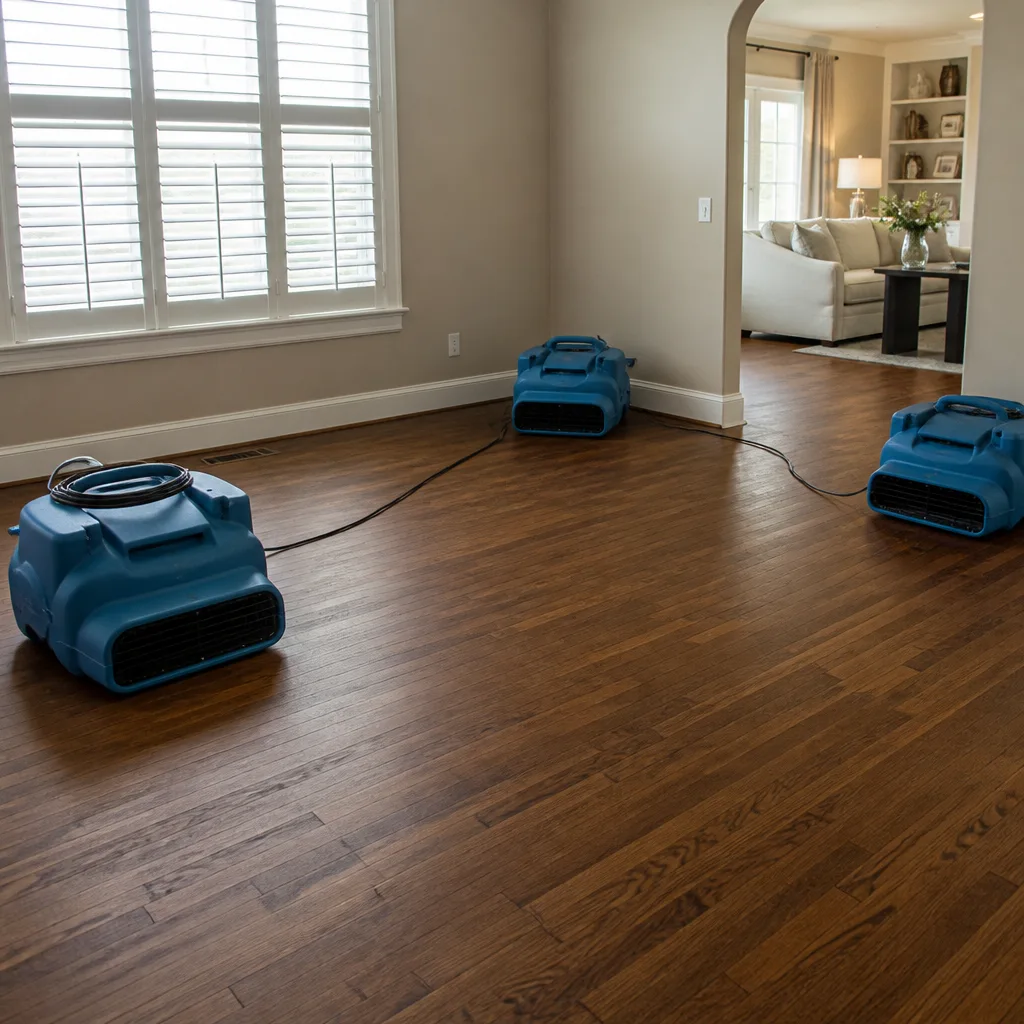 Water damage drying
 Fire & smoke cleanup
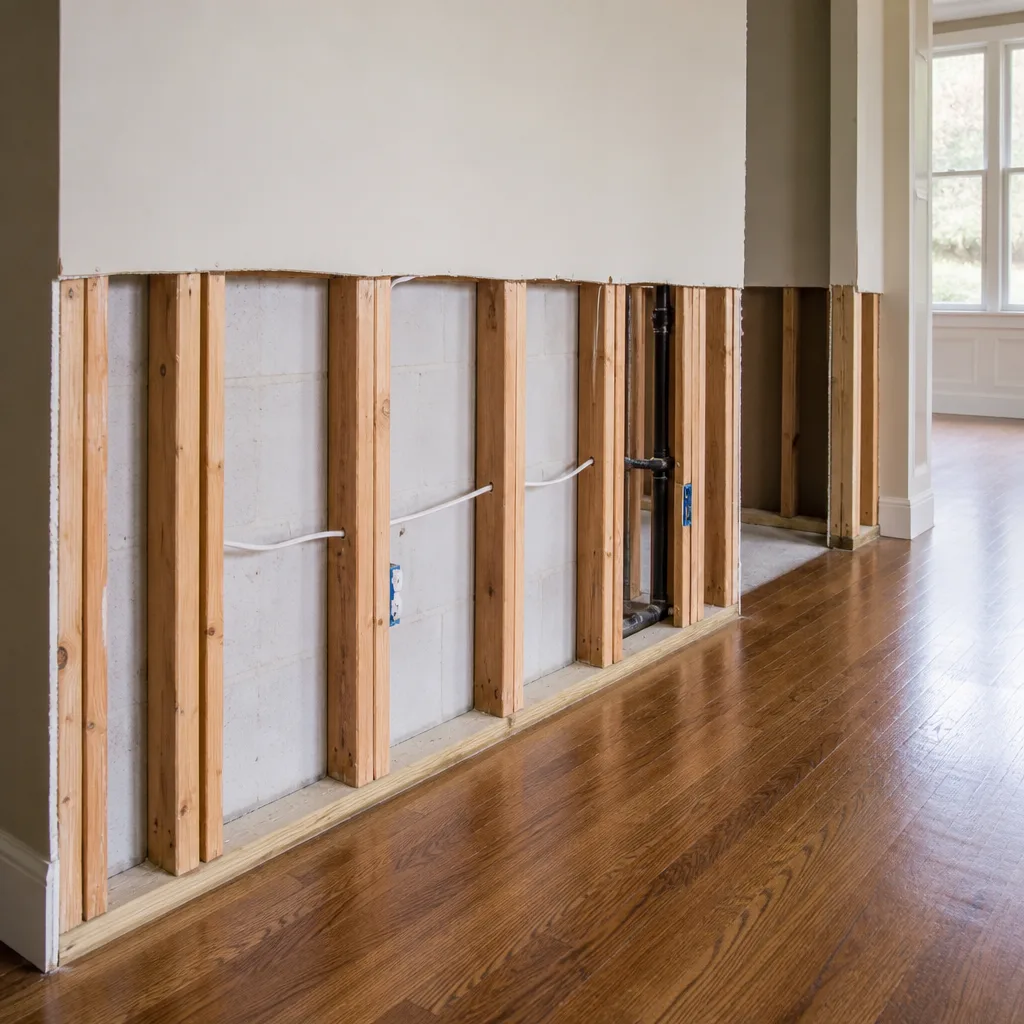 Mold remediation
 Storm response
 Sewage cleanup
 Reconstruction
Free visual inspection and a written scope of work before any mitigation begins - photos, moisture readings, and drying logs go in your claim file
The scope we write is the scope we bill. Anything new gets shown to you, in writing, before we touch it.
Get your free estimateThe Complete Guide to Damage Restoration in Yonkers
Yonkers homeowners call us after the damage has already happened, and about half of them have made the same mistake: they assumed water, fire, and mold all get fixed the same way. They don’t. A flooded basement on Central Park Avenue needs a completely different first 24 hours than a kitchen fire in a pre-war co-op on Park Hill Avenue, and mixing up those sequences is how a $2,000 cleanup becomes a $14,000 remediation. This guide walks you through the actual decision tree, from the moment you spot the damage to the day you hold a signed completion photo in your hand. For damage restoration warning signs every Yonkers homeowner should know, see our companion guide. By the end, you’ll know more about the restoration process than most of the contractors who will bid on your job.
Restoration work we handle
Quick Answer
Damage restoration in Yonkers means matching the right IICRC protocol to the specific type of damage you have. Water damage requires immediate extraction and structural drying within 72 hours before mold colonization becomes likely. Fire and smoke damage requires a different sequence entirely: board-up, soot stabilization, then odor removal and structural cleaning. Mold remediation requires containment, air filtration, and source removal before any cleaning happens. Each path has its own timeline, its own equipment set, and its own pricing structure, and running them out of order is the most expensive mistake a Yonkers homeowner can make. For a detailed look at what drives these costs, see our Damage Restoration Cost Breakdown: The Yonkers Homeowner’s Reference for 2026.
Table of Contents
- Water Damage: The 72-Hour Clock and What Actually Happens
- Fire and Smoke Damage: Why the Sequence Is Completely Different
- Mold Remediation: Containment First, Cleaning Second
- How Yonkers’s Housing Stock Changes the Math
- What a Written Scope of Work Must Include
- How to Read a Before-and-After Moisture Map
- Common Mistakes to Avoid
- When to Call a Professional
- Frequently Asked Questions
- The Bottom Line
Water Damage: The 72-Hour Clock and What Actually Happens
Water damage restoration in Yonkers follows a strict sequence that most homeowners never see because the critical work happens in the first 72 hours. That window is not a suggestion. It’s the timeframe before mold spores, which are already dormant in every Yonkers home, start colonizing on wet drywall, carpet padding, and wood framing. Here’s what a proper water damage restoration looks like from the inside.
Step 1: Extraction. The first hour after a technician arrives should be spent removing standing water. Professional companies bring truck-mounted or portable extraction units that pull several gallons per minute. A shop vac from Home Depot on Central Avenue will not do this job. The goal is to remove as much water as possible before evaporation happens, because evaporated water becomes humidity, and humidity becomes mold.
Step 2: Mapping and documentation. A technician using IICRC standards will map the affected area with a moisture meter and thermal imaging camera. This creates a baseline map of where water has traveled, including areas you can’t see: inside wall cavities, under baseboards, behind kitchen cabinets. In Yonkers basements with finished drywall, water often wicks upward from the concrete slab, and the visible stain is only the tip of the problem.
Step 3: Structural drying. This is where the trade term comes in: psychrometric drying. That phrase means tracking the air’s moisture level so we know when your home is truly dry, not just surface-dry. Technicians deploy professional air movers and dehumidifiers from brands like Dri-Eaz, Phoenix, XPOWER, and B-Air, then return daily to take readings. A proper drying job takes 3 to 5 days, not 12 hours. Anyone who says they’ll dry a flooded basement in one day is either lying or planning to leave moisture behind.
You can find a fuller walkthrough on our Water Damage Restoration in Yonkers page, but the short version is this: speed matters, and so does patience. Extract fast, dry thoroughly, verify with numbers.
Fire and Smoke Damage: Why the Sequence Is Completely Different
If you try to apply the water restoration sequence to a fire, you’ll make the damage worse. Fire damage restoration in Yonkers starts with a problem water damage never has: the structural instability of the fire scene itself, combined with the fact that soot is acidic and begins etching surfaces within hours.
Step 1: Board-up and stabilization. After the fire department clears the scene, the first job is securing the property. That means boarding broken windows, tarping roof openings, and assessing which structural elements can support weight. In Yonkers’s older housing stock, this often means working around original plaster walls and framing that predates modern fire codes.
Step 2: Soot and smoke residue assessment. Soot is not uniform. A kitchen grease fire leaves a sticky residue that requires solvent-based cleaning. A wood fire leaves a drier, powdery soot. A synthetic materials fire, common when furniture and electronics burn, leaves an oily residue that spreads easily and corrodes metal quickly. Each type demands a different cleaning approach, and using the wrong one smears the residue deeper into porous surfaces.
Step 3: Odor removal and structural cleaning. Smoke odor lives in every porous surface: drywall, insulation, fabrics, wood framing, even the HVAC ductwork. Proper odor removal means either cleaning or removing those surfaces, then using hydroxyl generators or ozone treatment to neutralize remaining odor molecules. Kill the source first, then treat the air.
Step 4: Content cleaning and pack-out. Salvageable contents get inventoried, packed out, cleaned, and stored. Unsalvageable contents get documented for insurance claims. This is where photo documentation matters enormously, because your adjuster will need a complete inventory.
The key difference from water damage: fire restoration is slow, methodical, and demolition-heavy. There is no 72-hour mold clock. There is a “soot is eating your countertops right now” clock, but the full restoration typically takes weeks, not days.
Mold Remediation: Containment First, Cleaning Second
Mold remediation is the most misunderstood service in the restoration industry, and it’s where Yonkers homeowners get oversold or undersold most often. The IICRC protocol for mold is the S520 standard, and it starts with something that seems counterintuitive: before anyone cleans a single square inch of mold, the area gets sealed off.
Containment. A remediation crew sets up negative air pressure containment. That means sealing the affected room with plastic sheeting, then running a HEPA-filtered air scrubber that pulls air out of the room and exhausts it outside. This prevents mold spores from spreading to unaffected parts of the house during the cleaning process. If a contractor skips this step, the “cleaning” will redistribute mold spores through your entire home.
Air filtration. HEPA air scrubbers run continuously during remediation. The standard is to achieve 4 to 6 air changes per hour in the contained space. This captures airborne spores that get kicked up during demolition or cleaning.
Source removal. Mold that has penetrated porous materials, like drywall, carpet, or insulation, typically cannot be effectively cleaned. Those materials get cut out and bagged. Non-porous surfaces like tile, metal, and glass can be cleaned with antimicrobial treatment. The distinction matters, because “wipe it down and paint over it” is not remediation.
Verification. After remediation, a clearance test confirms that indoor mold spore counts have returned to normal background levels. This is the standard practiced on commercial loss sites, and it should be the standard in your home too.
For a full breakdown of the process and what it costs in Yonkers, see our Mold Remediation in Yonkers page.
How Yonkers’s Housing Stock Changes the Math
Yonkers is not a single housing market. It’s a patchwork of pre-war co-ops along the Hudson, Tudor-revival single family homes in the north end, postwar ranches in the east, and multi-family housing throughout. Each type presents a different restoration challenge, and out-of-area companies frequently miss the distinctions.
Pre-war co-ops and apartment buildings. These structures, common along Riverdale Avenue and in the downtown core, often have plaster walls, original hardwood floors, and shared utility stacks. Water damage in one unit travels down through the walls into units below. Restoration in these buildings requires coordination with building management, dated plumbing access, and containment that protects common areas. Plaster is also more water-tolerant than drywall in some ways, but it holds moisture longer and can conceal damage behind intact surfaces.
Tudor and colonial single-family homes. The north Yonkers neighborhoods like Crestwood and Colonial Heights feature homes built in the 1920s through 1940s. These homes have solid masonry construction, often with stucco and timber exteriors. Their basements are frequently unfinished or partially finished, with concrete floors that wick groundwater. Sump pump failures are a common source of damage in these homes, and the restoration often involves addressing foundation drainage, not just interior drying.
Postwar ranches. Eastern Yonkers neighborhoods built out in the 1950s and 1960s feature slab-on-grade or shallow-crawlspace construction. Crawlspace flooding is a persistent issue in these homes, especially after heavy rains. Moisture in a crawlspace migrates upward into the living space, and proper restoration means addressing the crawlspace itself, not just the visible interior damage.
Climate reality. Yonkers gets about 47 inches of rain per year, and the Hudson River’s proximity means high ambient humidity for much of the summer. That means drying times run longer here than in drier climates, and mold risk is elevated year-round, not just after a flood event.
What a Written Scope of Work Must Include
Before any tools touch your home, you should hold a written scope of work. Not a verbal estimate. Not a text message. A written document that specifies exactly what will be done, what materials will be used, and what the final price will be. Most contractors quietly omit specific line items because those line items are where the real costs hide. Here’s what a complete scope of work looks like.
Line items a complete scope must include:
- Containment and protection. The specific rooms being sealed, the type of containment used, and how unaffected areas will be protected. If this line item is missing, ask why.
- Equipment list and daily readings. How many air movers and dehumidifiers, what brands, and a commitment to daily moisture readings. A scope that says “dry the area” without these details is not a scope.
- Demolition and disposal boundaries. Exactly what gets removed: which walls, which sections of flooring, which insulation. “As needed” is a red flag. “Kitchen wall cavity between studs 12 and 16, floor to 4 feet” is a scope.
- Antimicrobial treatment specifics. What product, applied to what surfaces, and at what stage of the process.
- Verification criteria. How will you know the job is done? Target moisture content for wood (typically below 16% for structural lumber), acceptable mold spore counts, final equipment removal date.
- Insurance cooperation. A statement of how the work will be documented for insurance claims, including photo documentation and adjuster communication.
At Wendell Restoration Yonkers, every job includes a written price before any work starts and a written guarantee on every repair. That’s the 365-Day Done Right Promise: if it’s not done right, we make it right. The price on your digital invoice is the price you pay, and you can review it from a link texted to your phone. No surprises, no add-ons at the door.
How to Read a Before-and-After Moisture Map
This is the part most homeowners don’t even know to ask for, and it’s the single most useful piece of verification you can hold in your hand. A moisture map is exactly what it sounds like: a diagram or annotated photo set showing moisture readings across your affected area, taken before drying starts and after it ends.
What a proper moisture map shows:
- Readings at multiple depths. Surface moisture matters, but subsurface moisture is where mold grows. A proper map includes readings from inside wall cavities, behind baseboards, and under flooring. If a contractor only shows you surface readings, they’re showing you half the picture.
- Concrete slab readings. In Yonkers basements, concrete holds water differently than wood or drywall. A moisture meter on a concrete floor reads on a different scale, and a proper map shows both.
- Target thresholds. Wood framing should typically be dried to below 16% moisture content. Drywall should be below 12%. The map should state the targets and the final readings against those targets.
- Date-stamped readings. Daily readings show the drying curve. A flat line where there should be a downward trend means something is wrong.
If a company is reluctant to provide a before-and-after moisture map, that’s a signal to keep looking. The data exists. Every professional drying job generates it. The only reason to withhold it is if the numbers don’t support the claim that the work is done.
We use Injectidry systems for hard-to-reach cavities and document every reading. You can see the before-and-after on your own phone, texted to you as the job progresses.
Common Mistakes to Avoid
- Waiting to act on water damage. The 72-hour mold clock is real. Every day you wait, the cost of remediation rises and the scope of necessary demolition expands. In Yonkers’s humid summer months, the window can be even shorter.
- Using the wrong first step for fire damage. Cleaning soot with a household vacuum or wet rag smears it and drives it deeper into surfaces. Soot is acidic and chemically active. Let a professional stabilize it.
- Skipping containment on mold. Mold spores spread through air currents. A “cleaning” without negative air containment redistributes the problem to every room in the house.
- Accepting “visually dry” as dry. Surface dry is not the same as structurally dry. Without moisture meter verification, you’re trusting someone’s eyes instead of data.
- Hiring the first company that answers. The average Yonkers homeowner calls three contractors before finding one who can explain the process clearly. The fact that someone answered the phone fast doesn’t mean they know what they’re doing. The fact that someone knows what they’re doing doesn’t mean they’ll write it down. You need both.
- Not getting a written scope before work starts. Verbal estimates mean nothing when the invoice arrives. A written scope is the only thing that protects you from scope creep.
- Assuming insurance will cover everything without documentation. Photo documentation, itemized line items, and adjuster communication are the difference between a smooth claim and a denied one.
When to Call a Professional
You should call a professional whenever the damage involves structural materials, standing water, fire residue, or visible mold. A flooded basement in Yonkers is not a DIY project. A kitchen fire that left soot on the cabinets is not a DIY project. Mold behind drywall is not a DIY project. The equipment costs more than a professional’s fee, and the mistakes cost more than both. If you’re in Yonkers and dealing with water damage, fire damage, or mold, Wendell Restoration Yonkers offers free estimates, a live person on the phone 24/7, and a written price before any work starts. Call (631) 646-2175 and you’ll know exactly what you’re dealing with before the first tool leaves the truck.
For a detailed look at what a full water damage repair looks like after the initial mitigation is complete, see our Water Damage Repair in Yonkers page. If you’re just starting to research your options, the Wendell Restoration Yonkers home page has a quick overview of the full service range.
Frequently Asked Questions
Water damage restoration in Yonkers typically costs $2,500 to $7,500 for a contained flood event in a basement or single room. Fire damage restoration runs $8,000 to $30,000 or more depending on the size of the affected area and the amount of structural demolition required. Mold remediation costs $1,500 to $6,000 for a contained area, and more when the mold has spread to multiple rooms. These are ballpark ranges: the actual number depends on square footage, materials affected, and how quickly you act. Call (631) 646-2175 for a free estimate with a written price before any work starts.
Wendell Restoration Yonkers answers the phone with a live person 24/7, and we dispatch technicians to Yonkers homes the same day for water emergencies. You get a live arrival time you can track, not a four-hour window. The sooner we arrive, the sooner extraction and drying starts, and the less the restoration ultimately costs.
Most homeowners insurance policies cover sudden and accidental water damage and fire damage. Mold remediation coverage depends on the source of the moisture and the specifics of your policy. We document every job with dated before-and-after photos and itemized line items, and we coordinate directly with your adjuster to make the claims process as smooth as possible.
It depends on the source and extent of the damage. If water touched drywall, insulation, or structural wood and was not dried within 72 hours, the affected materials typically need removal, not cleaning. If mold is growing on non-porous surfaces, cleaning with antimicrobial treatment may be sufficient. The only way to know is with moisture readings and a visual inspection. A written scope of work should specify exactly what gets cleaned and what gets removed.
Stop the source of the water if you can do so safely, shut off electricity to the affected area, and call a restoration company immediately. Do not use a household vacuum on standing water. Do not turn on fans or open windows thinking that will help; uncontrolled air movement spreads moisture and contaminants. The faster professional extraction begins, the less damage you’ll ultimately have.
Because the physics and chemistry are different. Water damage is about moisture movement and mold prevention. Fire damage is about acidic residue neutralization and odor source removal. Mold damage is about spore containment and source elimination. Applying the wrong process to the wrong damage type either fails to solve the problem or actively makes it worse. The IICRC maintains separate standards for each category precisely because the procedures are not interchangeable.
The Bottom Line
Water, fire, and mold are three different emergencies, and they require three different playbooks. Water demands speed and thorough drying within a 72-hour window. Fire demands patience and methodical residue removal. Mold demands containment before anything else. Yonkers homeowners who understand these distinctions make better decisions, avoid unnecessary demolition, and pay less for the work they actually need. For more guides & resources on protecting your Yonkers home, explore our blog. The single most important action you can take is to get a written scope of work before any tools touch your home. The second most important is to ask for a before-and-after moisture map. Do both, and you’ll be holding a signed completion photo instead of a surprise invoice.
Written by Blake Sorensen, Owner at Wendell Restoration Yonkers, serving Yonkers since 2006.
See the difference
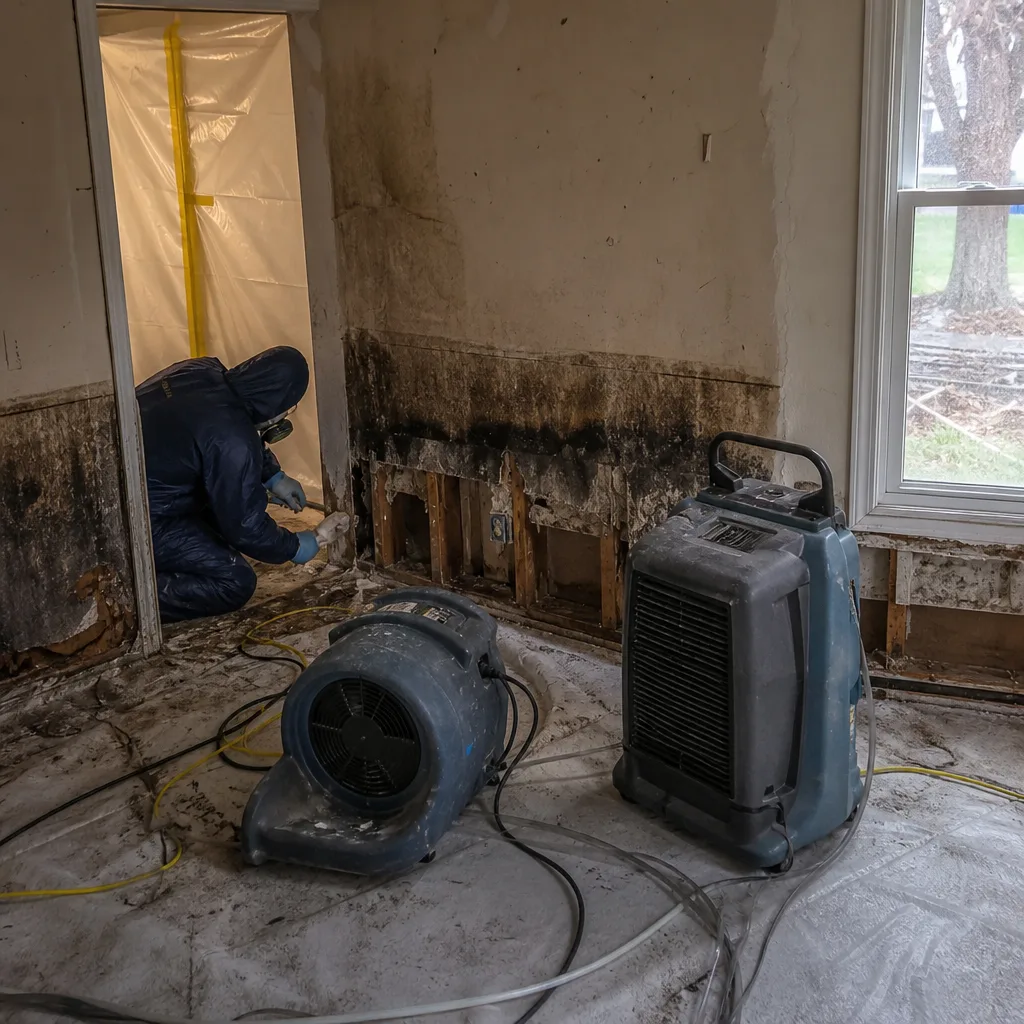 Before
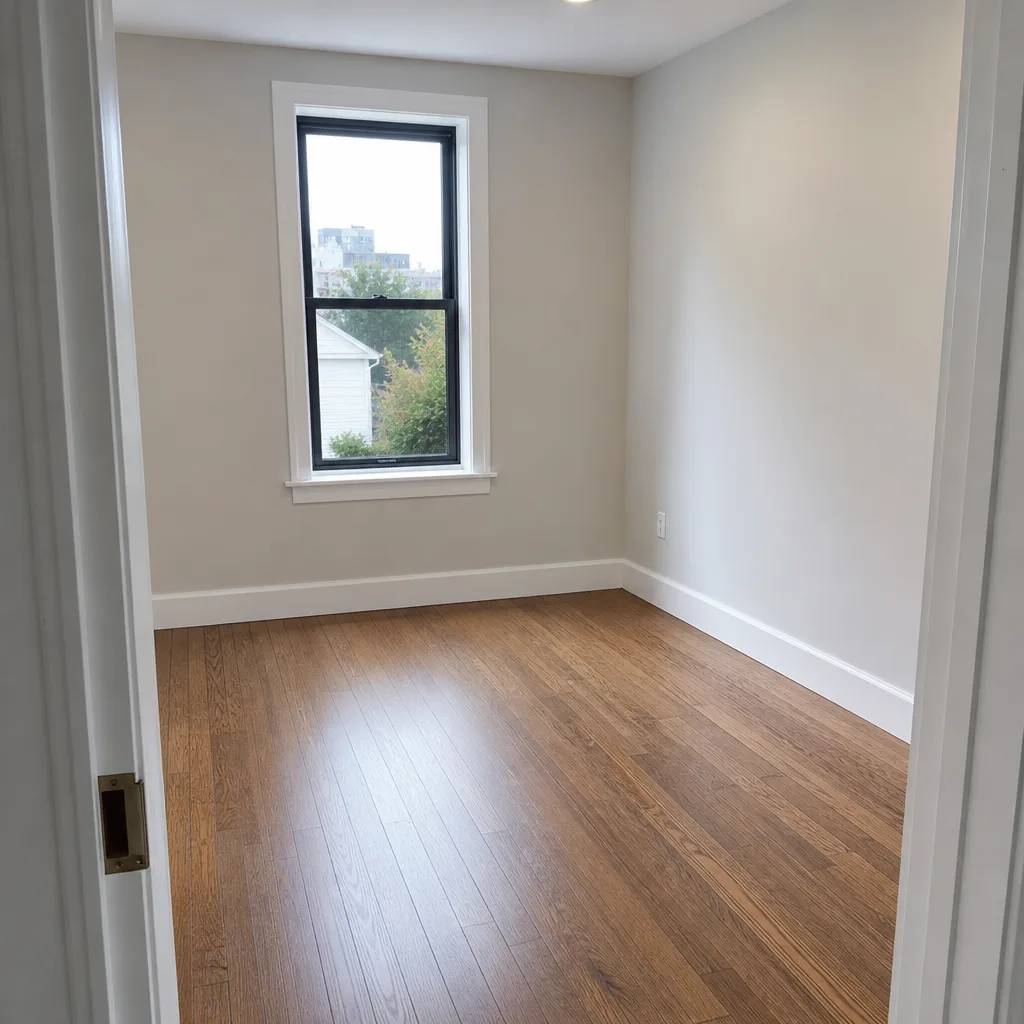 After
After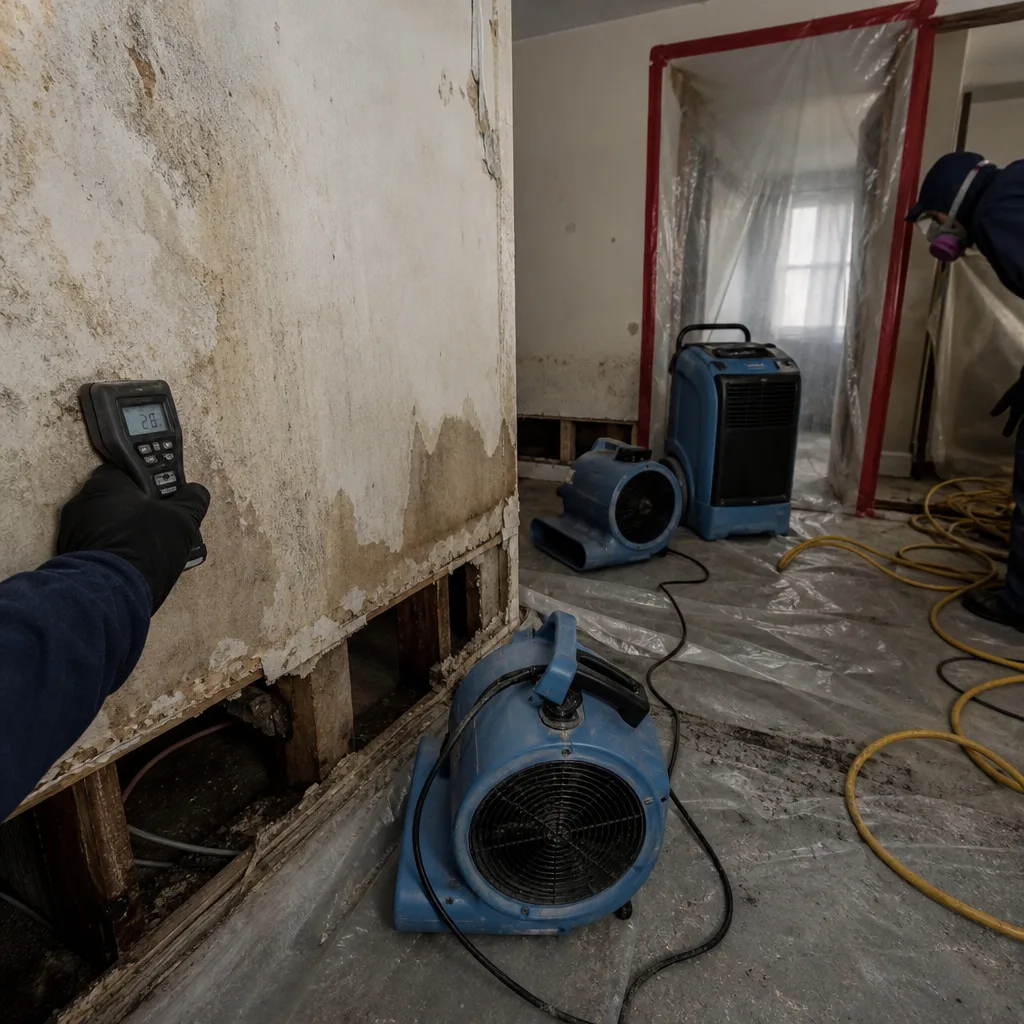 Before
 After
After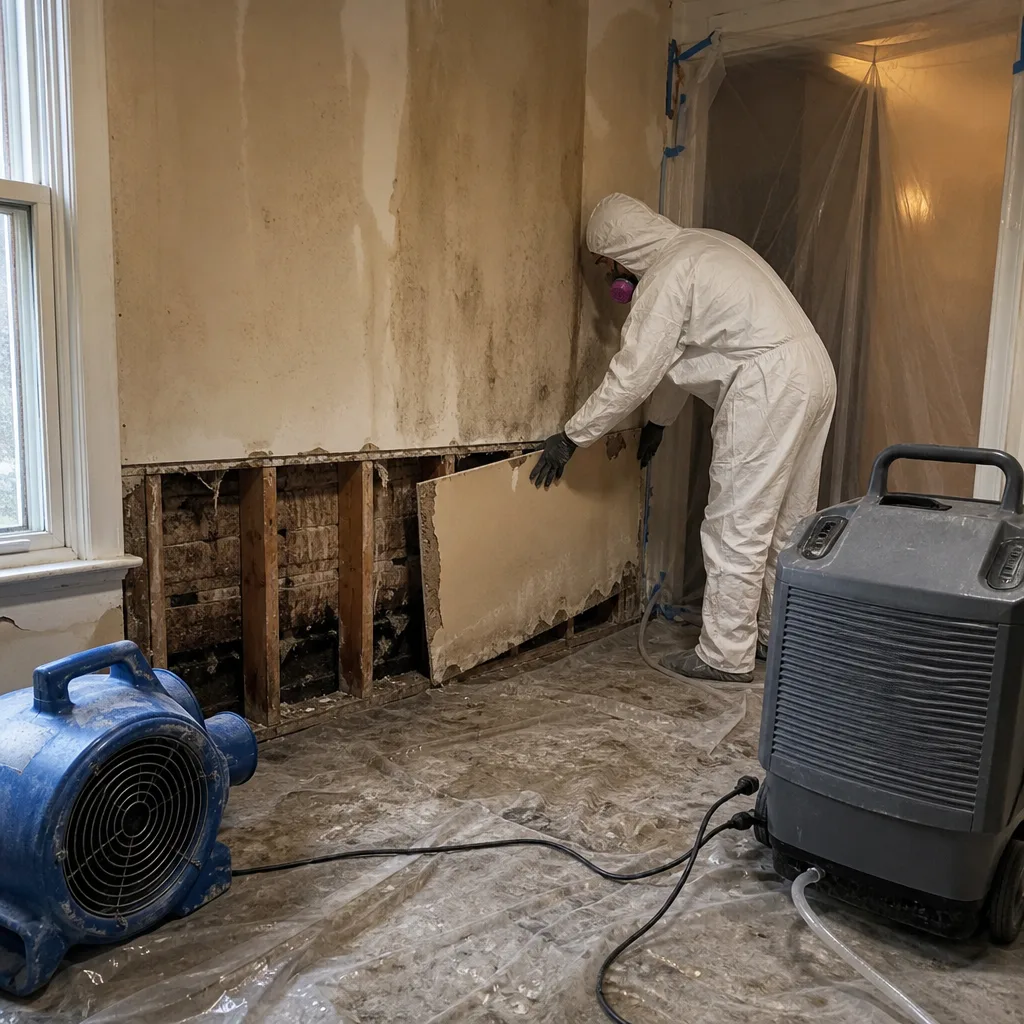 Before
 After
After