
Last updated October 16, 2026
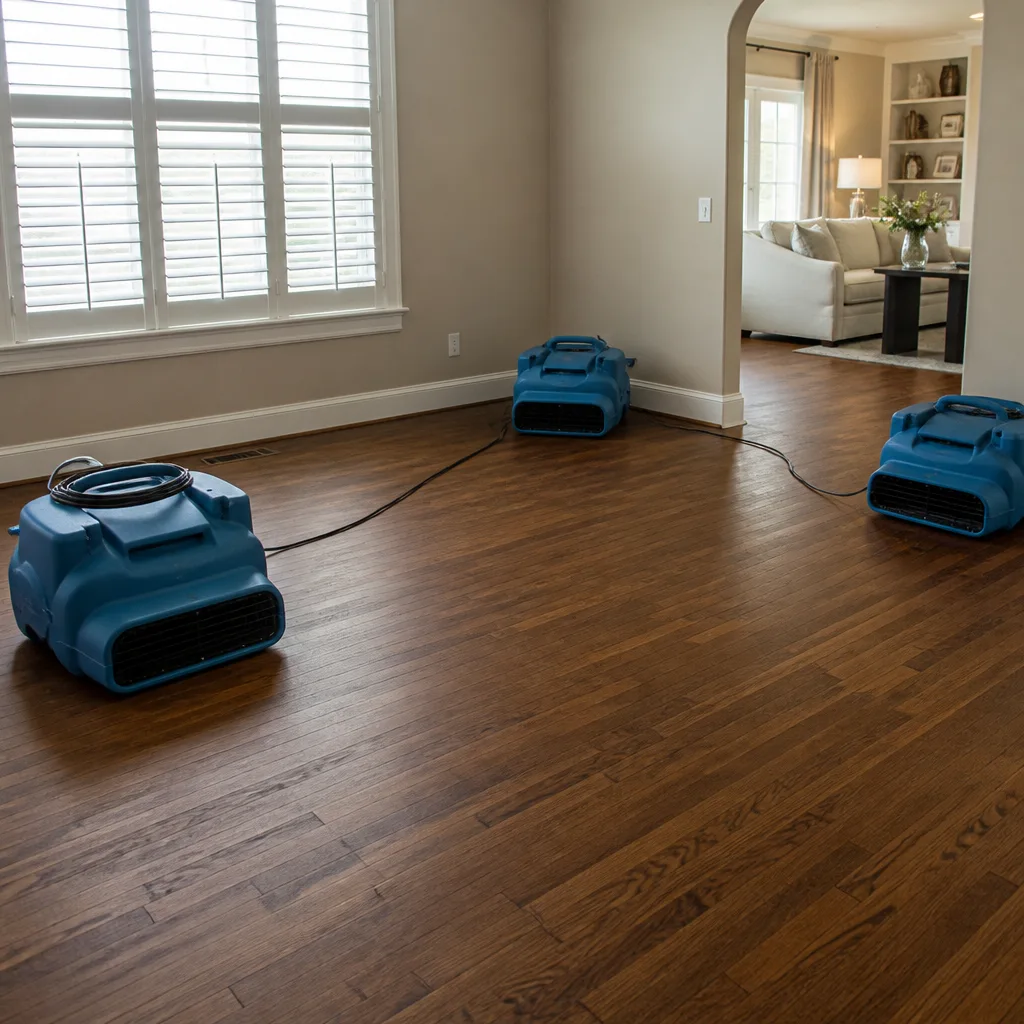 Water damage drying
 Fire & smoke cleanup
 Mold remediation
 Storm response
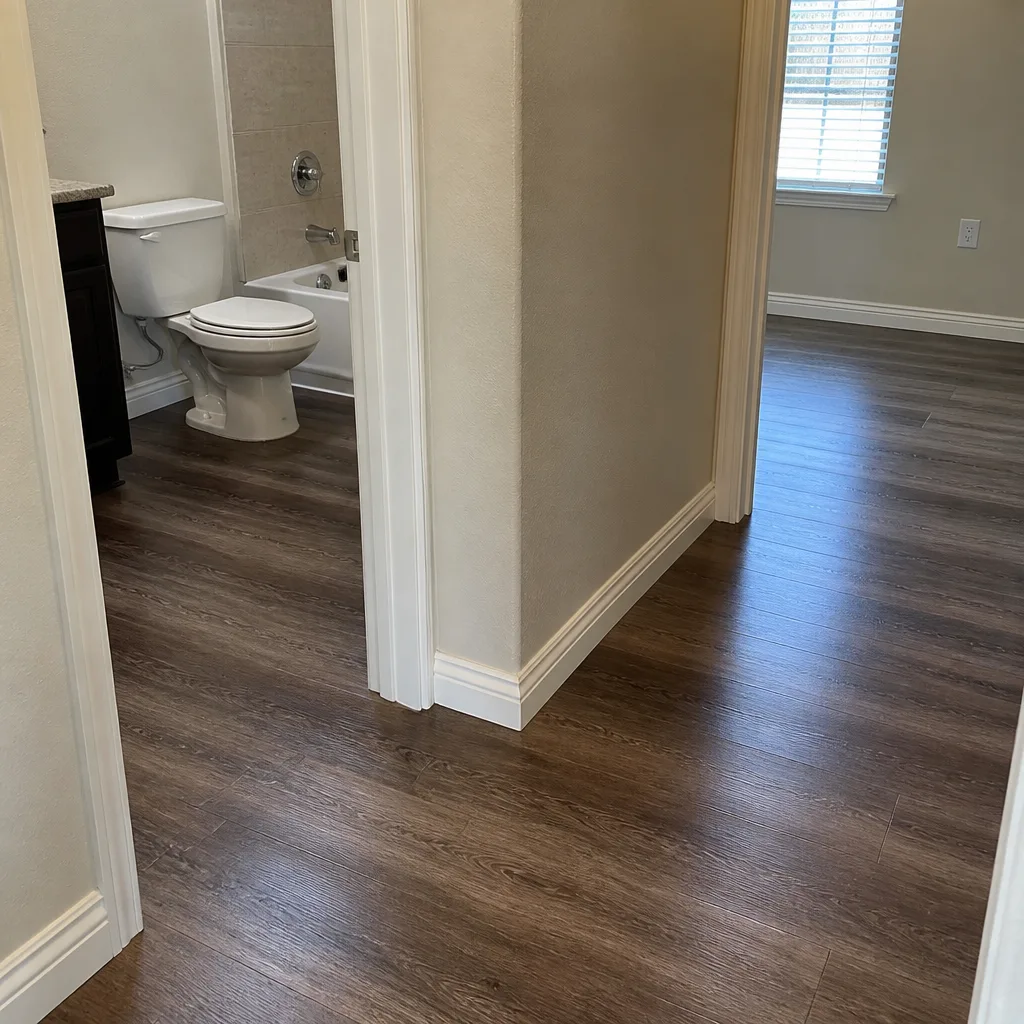 Sewage cleanup
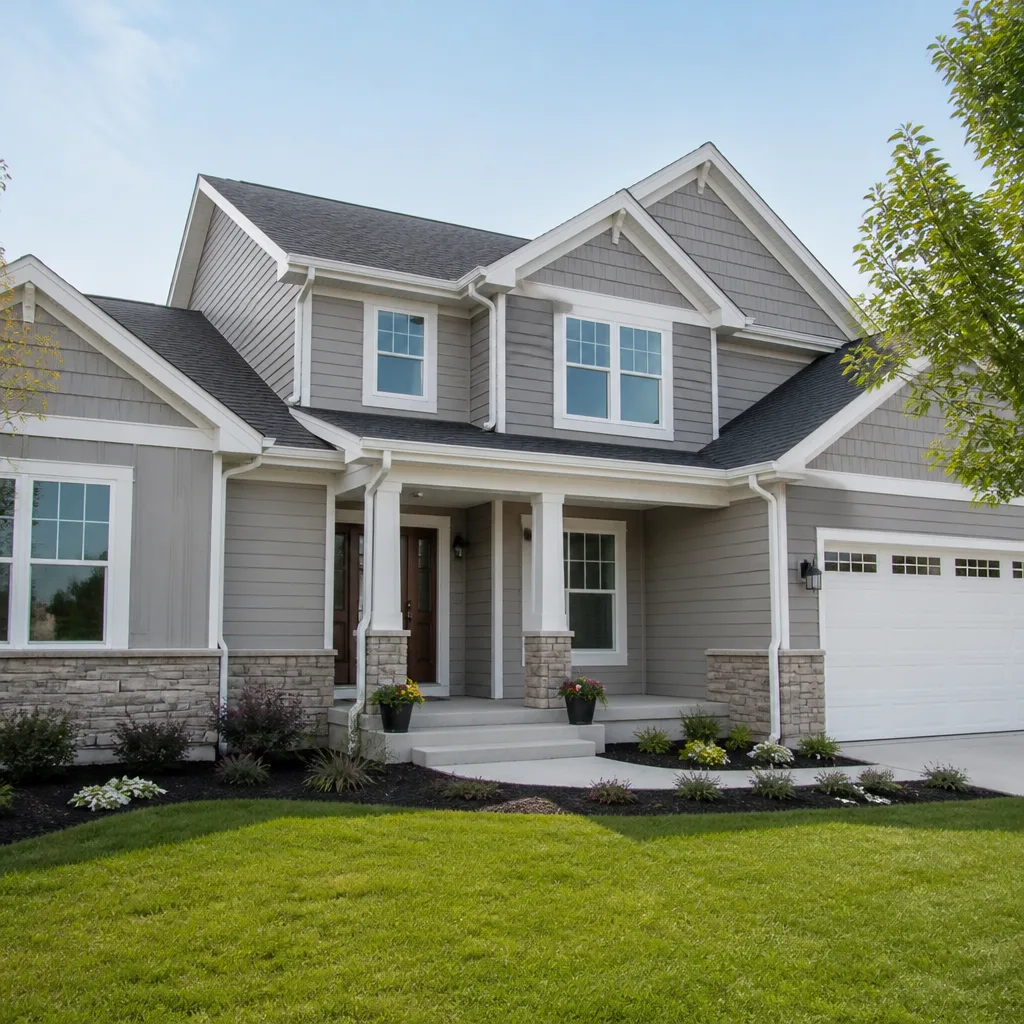 Reconstruction
Free visual inspection and a written scope of work before any mitigation begins - photos, moisture readings, and drying logs go in your claim file
The scope we write is the scope we bill. Anything new gets shown to you, in writing, before we touch it.
Get your free estimateDamage Restoration Permits, Codes & Inspections in NY: What You Need to Know
A Yonkers homeowner found out at closing, two years after a contractor “fixed” their flood damage, that no building permit had ever been pulled. The sale fell through. The remediation had to be redone at the seller’s cost. That story isn’t rare in Westchester County. It’s the predictable result of a permit system that most homeowners never learn about until it costs them real money. This guide walks through when a permit is required in Yonkers, who pulls it, what a Certificate of Occupancy amendment means for your home, and how to verify that past restoration work was actually legal. For damage restoration warning signs every Yonkers homeowner should know, see our companion guide. You’ll finish knowing what your insurance adjuster won’t tell you and what a home inspector will definitely check.
Quick Answer
Water damage restoration in New York requires a building permit whenever the work goes beyond cosmetic cleaning and touches structural framing, changes the footprint, or disturbs electrical, plumbing, or HVAC systems. In Yonkers, replacing drywall in kind usually doesn’t need a permit, but replacing a load-bearing wall or reconfiguring ductwork always does. When in doubt, the person named on the permit is legally responsible, and skipping it can void your homeowner’s policy and kill a future sale. Not sure whether to tackle it yourself? Read our DIY vs Professional Damage Restoration guide for Yonkers homeowners first.
Restoration work we handle
Table of Contents
- When Is a Permit Required for Water Damage Restoration in Yonkers?
- The Like-for-Like Rule: What’s Exempt and What Isn’t
- NY Labor Law 196-d and Mold Remediation: Who Can Legally Do the Work
- Who Pulls the Permit: Homeowner vs. Contractor
- Certificate of Occupancy Amendments When Restoration Touches Structure
- How to Verify a Previous Owner’s Restoration Work Was Permitted
- Common Mistakes to Avoid
- When to Call a Professional
- Frequently Asked Questions
- The Bottom Line
When Is a Permit Required for Water Damage Restoration in Yonkers?
Water damage restoration in Yonkers sits under the city’s building code, administered by the Yonkers Building Department. The general rule: if the repair touches structure, modifies systems, or adds something new, a permit is required. If it’s a like-for-like swap of damaged material, it’s often exempt. But “often” does real work in that sentence. The threshold that triggers a permit in practice is whether the work exposes a structural element, a rough-in, or a fire-rated assembly.
Here are the common triggers we deal with on water damage restoration in Yonkers projects:
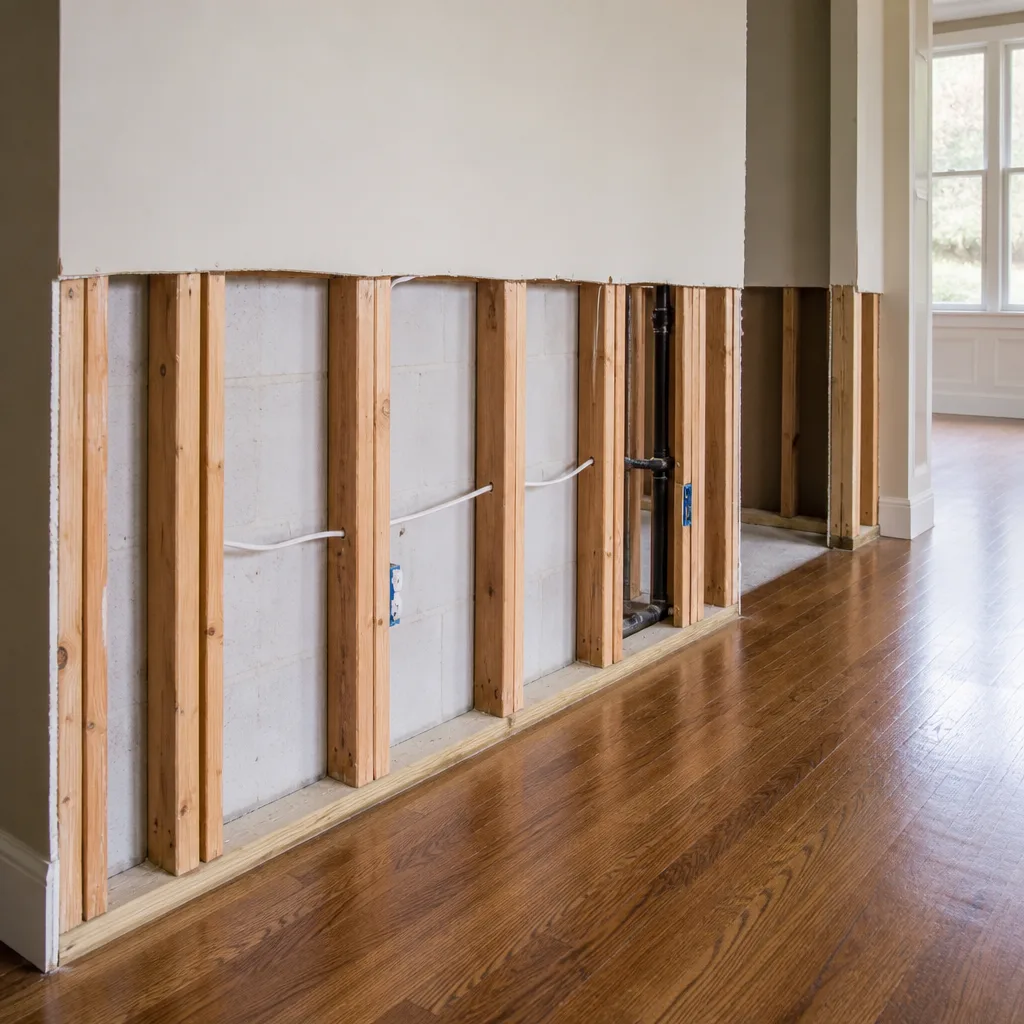
- Structural drying that requires opening walls to the studs. Cutting out wet drywall to expose framing for drying is generally considered like-for-like replacement if you replace the same drywall thickness and type. But if the wall contains a fire-rated assembly, a header, or a shear wall, the permit question changes.
- Replacing or sistering any floor joist, ceiling joist, or roof rafter. Waterlogged lumber that is delaminating or has lost structural integrity is a repair, not a replacement, and it requires a permit. No exceptions.
- Electrical work disturbed by water. If a panel, outlet, or wiring run got wet, New York electrical code requires evaluation by a licensed electrician. Replacing a wet outlet with a new one is generally a minor repair. Replacing a corroded subpanel or re-running a branch circuit is a permit job.
- Any plumbing line replacement behind a wall. A burst supply line repair on an exposed pipe is a repair. Moving a drain line, replacing a section of cast iron stack, or altering the DWV configuration is a permit job.
- HVAC ductwork that held water. If ducts need cleaning, that’s not a permit issue. If saturated duct insulation requires replacing a trunk line or reconfiguring plenum connections, Yonkers requires a mechanical permit.
In our experience on water damage repair in Yonkers, the most common permit surprise is a wet wall in an older home built before 1980. Once you open that wall, you may find knob-and-tube wiring, asbestos wrap, or a load-bearing condition that the original builder never documented. The permit isn’t just paperwork. It’s the mechanism that brings a city inspector in to make sure the repair is safe and insurable.
The Like-for-Like Rule: What’s Exempt and What Isn’t
New York’s building code distinguishes between a repair and an alteration. A repair restores something to its original condition using the same materials or their modern equivalent. An alteration changes the configuration, upgrades the system, or adds something that wasn’t there before. In Yonkers, like-for-like repairs are generally exempt from a building permit. Alterations are not.
Here is where the distinction gets practical, with real examples from Yonkers homes:
- Exempt (like-for-like, no permit): Replacing wet drywall panels with new drywall of the same thickness. Replacing a damaged section of baseboard with the same profile. Swapping a water-damaged outlet for a new GFCI in the same box. Replacing a section of copper supply line with PEX of the same diameter. Nail-pop repair that doesn’t change the framing.
- Not exempt (requires permit): Replacing a wet wall and adding insulation where none existed. Moving a drain line to a new location. Converting a wet bar sink to a full half bath during restoration. Widening a doorway to move drying equipment and then leaving the wider opening in place. Replacing a window that was damaged with a larger unit to meet egress code.
The test we apply on every Wendell Restoration Yonkers home project is simple: would an inspector look at the before photo and the after photo and see a difference that changes how the house functions? If yes, pull a permit. If the only visible change is fresh material where damaged material used to be, you’re likely exempt. When there’s genuine ambiguity, we call the Yonkers Building Department and ask. The call takes fifteen minutes and prevents a stop-work order that can set a project back three weeks.
NY Labor Law 196-d and Mold Remediation: Who Can Legally Do the Work
New York Labor Law Article 32, specifically section 196-d, sets the licensing requirements for mold assessment and remediation contractors. The state requires anyone performing mold remediation on a property of 10,000 square feet or more of affected area to hold a mold remediation license from the New York State Department of Labor. For smaller projects, the law still requires that the work follow minimum work practices, including containment of the work area and proper documentation of the scope.
What homeowners often miss: Labor Law 196-d also requires a mold assessment before remediation begins on covered projects. The assessment must be performed by a licensed mold assessor, and the remediation plan comes from that assessment. This matters for insurance because many policies in New York require documentation that the remediation followed the work plan. If the work was done without an assessment and without a licensed remediation contractor on a covered project, the insurance company can deny the claim, even if the mold is gone.
In practice, Yonkers homes are rarely over 10,000 square feet of affected area, so the licensing threshold doesn’t always apply. But the documentation requirement matters on every job, because the next buyer’s inspector will want proof. We hold our mold remediation in Yonkers work to IICRC, RIA, and IFA standards on every job, regardless of square footage, because the paper trail is what protects the homeowner at closing and with their adjuster.
For homeowners, the practical takeaway is this: ask any mold remediation contractor in Yonkers for a written work plan before the job starts, and ask what standard they follow. If they can’t name a standard and a containment protocol, that’s a red flag. The Labor Law exists precisely because mold work done wrong spreads spores through the house and creates a secondary damage claim.
Who Pulls the Permit: Homeowner vs. Contractor
In Yonkers, the person named on the building permit is the person legally responsible for the work meeting code. That’s not a bureaucratic nuance. It’s the difference between a repair that gets signed off and a repair that haunts you for years.
Here’s how it usually plays out:
- Homeowner pulls the permit. This is legal in Yonkers for owner-occupied single-family homes. It’s also almost always the wrong call for restoration work. If you pull the permit, you are the general contractor in the eyes of the city. You’re responsible for scheduling inspections, ensuring the trades you hire are properly licensed, and signing off on compliance. If a sub does bad work and disappears, the violation is yours.
- General contractor pulls the permit. This is the standard for restoration projects that involve multiple trades. The GC’s name is on the permit, which means their license and insurance are on the line. If the work fails an inspection, the city requires the GC to fix it before the permit is closed. This is the accountability you want.
- Subcontractor pulls the permit. Electrical and plumbing permits in Yonkers are typically pulled by the licensed electrician or plumber doing the work. That’s correct and expected. But the GC should still be coordinating and the homeowner should still verify the permit was actually pulled.
The one sentence that matters: never let a contractor start work without a permit number, in writing, if the work qualifies. If a contractor offers to do the work “under the table” to save you money, you’re the one holding the liability. That liability shows up at closing, in an insurance claim denial, or in a city stop-work order that idles the project for weeks. Our step-by-step guide to hiring a damage restoration contractor in Yonkers shows how to avoid this trap.
Certificate of Occupancy Amendments When Restoration Touches Structure
A Certificate of Occupancy, often called a C of O in Yonkers, is the city’s record of what a building is legally allowed to be: the number of units, the use classification, the occupancy load. When restoration work changes something that affects that certificate, you need an amendment. Most water damage restoration never touches the C of O. But certain jobs do.
Here are the situations in Yonkers where a C of O amendment becomes part of the restoration conversation:
- Load-bearing wall removal or replacement. If a load-bearing wall that was damaged by water needs to be rebuilt, and the rebuild changes the open span or the connection detail, the city needs to see that the structural change is still within the approved use. In some cases, that requires an amended C of O.
- HVAC reconfiguration. If water damage requires replacing a furnace with a heat pump system, or moving the air handler from a closet to the attic, the mechanical system that serves the house has changed. Yonkers treats that as an alteration, not a repair, and the C of O record needs to reflect it.
- Room use change during restoration. If a finished basement that flooded is being rebuilt as a legal bedroom with an egress window that meets code, that’s an alteration. The C of O changes from “storage” or “recreation room” to “bedroom.” This is common in Yonkers because so many homes have below-grade spaces that were finished without permits in the first place.
The cost of ignoring a C of O amendment is deferred, not avoided. The buyer’s title search will surface the discrepancy. The seller then has two choices: pay to bring the work into compliance, which may mean opening walls, or lose the sale. We’ve seen both happen. The amendment is cheaper than the cure.
How to Verify a Previous Owner’s Restoration Work Was Permitted
If you’re buying a home in Yonkers, or selling one, you have the right to request the building department’s file on the property. That file contains every permit ever pulled, every inspection performed, and every Certificate of Occupancy issued. It’s public record.
Here’s the step-by-step for requesting a Yonkers inspection record:
- Identify the property’s block and lot number. You can find this on your property tax bill or through the Yonkers city assessor’s online portal.
- Contact the Yonkers Building Department. Request a search of the property’s building file. This is usually a written request with the address and block and lot. Some requests can be made by phone, but written requests create a paper trail.
- Ask for the full permit history. Not just open permits. You want closed permits with final inspection sign-offs, any stop-work orders, and any Certificate of Occupancy amendments.
- Look for gaps. If the seller says the basement was professionally remediated in 2019, but there’s no permit and no inspection record from 2019, ask questions. Maybe the work was cosmetic. Maybe it wasn’t permitted.
- Request the mold documentation. If mold remediation was performed, ask for the assessment report, the work plan, and the post-remediation clearance testing. Under Labor Law 196-d, these documents should exist for any covered project.
A home inspector will not pull permit records. That’s not what a standard home inspection includes. The buyer or the buyer’s attorney has to make the request. In competitive Yonkers markets where buyers sometimes waive contingencies, this step gets skipped. Don’t skip it. The cost of pulling the file is a fraction of the cost of opening a wall a year after closing.
Common Mistakes to Avoid
- Assuming “insured and bonded” means the contractor pulls permits. Insurance covers damages. It doesn’t have anything to do with permit compliance. A contractor can be fully insured and still do unpermitted work. Ask for the permit number in writing before the job starts.
- Letting the mitigation crew do reconstruction work without a GC license. In Yonkers, water mitigation (the drying and demo) is different from reconstruction (the rebuild). A company that’s excellent at the first isn’t necessarily licensed or experienced at the second. The city holds the permit holder to the full scope.
- Replacing drywall without checking what’s behind it. Opening a wall in a pre-1980 Yonkers home can reveal fire blocking, old wiring, or structural braces that the original builder didn’t document. If you replace the drywall and seal the wall back up without documenting what you saw, you’ve covered up information the next buyer’s inspector would want to see.
- Using a handyman for mold work. Mold remediation in New York has specific work practice requirements under Labor Law 196-d. A handyman with bleach and a spray bottle isn’t doing remediation. They’re doing surface cleaning, which won’t pass an insurance claim review.
- Not pulling a permit for HVAC replacement after water damage. Replacing a furnace with the same model in the same location is a mechanical swap, generally exempt. Replacing a furnace with a heat pump, moving the air handler, or changing the duct layout is an alteration. That needs a mechanical permit in Yonkers.
- Skipping the final inspection. Pulling the permit is step one. The final inspection is what closes it. An open permit on a Yonkers property is a lien-adjacent headache. It shows up in title searches and blocks refinancing and sales until it’s resolved.
- Trusting a verbal assurance from a contractor that “we do this all the time.” The city doesn’t care what’s normal. It cares what’s in the file. Get it in writing.
When to Call a Professional
Call a restoration company in Yonkers when the water damage has reached drywall, insulation, flooring, or anything behind a wall. A surface spill on tile is a cleaning problem. A leak that soaked through a ceiling, ran down a wall, or pooled in a basement is a structural and mold problem, and the clock is running. Call when you see water staining on a ceiling below a bathroom, when a basement wall is weeping after heavy rain, or when you open a wall and smell that musty smell that doesn’t go away. Wendell Restoration Yonkers offers free estimates in Yonkers, with a written price before any work starts. Call (631) 646-2175 and a live person will answer, not a voicemail.
Frequently Asked Questions
It depends on the scope. Like-for-like replacement of drywall, baseboard, and fixtures usually doesn’t require a permit in Yonkers. Work that touches structure, moves plumbing or electrical, or alters HVAC requires a permit. Call (631) 646-2175 and we’ll tell you which category your project falls into before anything gets torn out.
The person named on the permit is legally responsible for the work. That’s typically the general contractor for multi-trade restoration projects, or the licensed electrician and plumber for their specific trades. If you pull the permit as the homeowner, you’re the general contractor and you own the liability.
The city can issue a stop-work order if the work is discovered mid-project. More commonly, the problem surfaces at closing, when a title search or buyer’s inspection uncovers the unpermitted work. The seller then pays to bring the work into compliance, which may mean opening walls. An open permit also blocks refinancing.
Yes, for projects with 10,000 square feet or more of affected area under Labor Law Article 32. Smaller jobs don’t require the state license, but they still require adherence to work practices, containment, and documentation. Always ask for a written work plan and post-remediation clearance testing.
Yes. Contact the Yonkers Building Department with your block and lot number and request the property’s full building file. That file shows every permit, inspection, stop-work order, and Certificate of Occupancy amendment on record. It’s public information.
Not reliably. Insurance policies in New York generally exclude losses caused by faulty workmanship, and unpermitted work can be classified that way. Even if the policy responds, the adjuster will likely require proof that the restoration met code. No permit and no inspection record makes that hard to prove. Photo documentation of the work, including before and after images, helps. We text before-and-after photos on every job as part of the Relay Standard.
The Bottom Line
Permits in Yonkers restoration work are not bureaucratic red tape. They’re the paper trail that protects the biggest asset you own. A like-for-like drywall replacement might not need one. A wall rebuild, a subpanel swap, or an HVAC reconfiguration definitely does. The person named on the permit owns the liability, so make sure that’s a licensed contractor, not you, for multi-trade work. Before you buy or sell, pull the building file and look for gaps. And if you’re facing water damage today, get a written price and a clear scope before work starts. For more guides & resources on protecting your Yonkers home, visit our blog. That’s what we do at Wendell Restoration Yonkers, on every job since 2006.
Written by Blake Sorensen, Owner at Wendell Restoration Yonkers, serving Yonkers since 2006.
See the difference
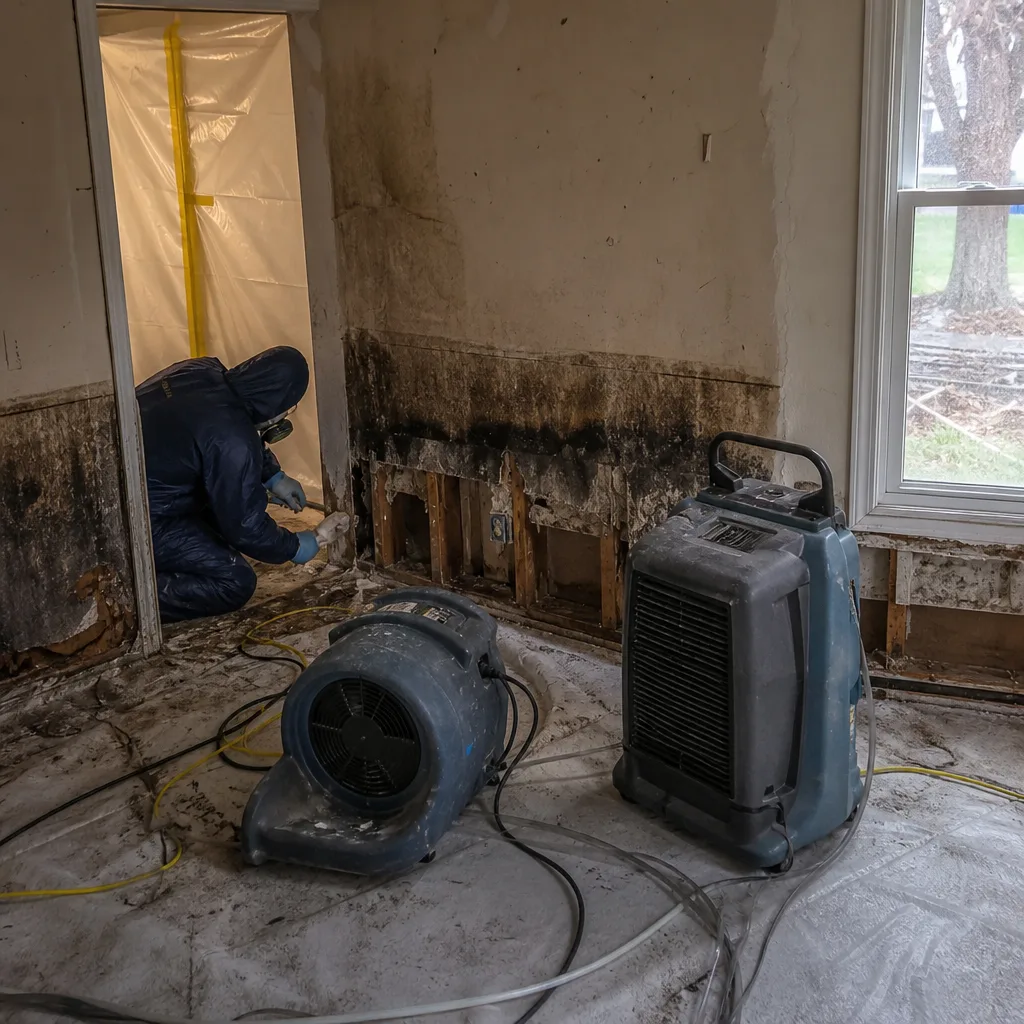 Before
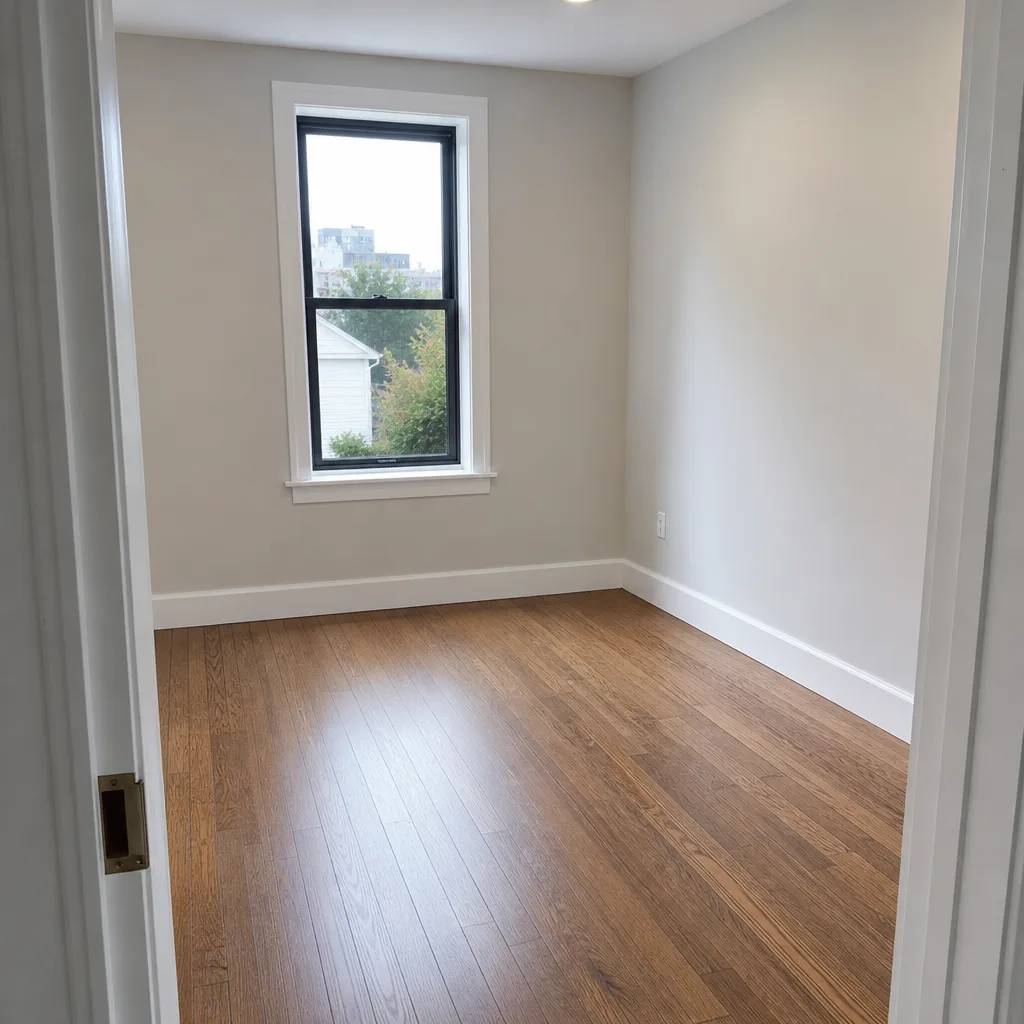 After
After Before
 After
After Before
 After
After