
Last updated October 16, 2026
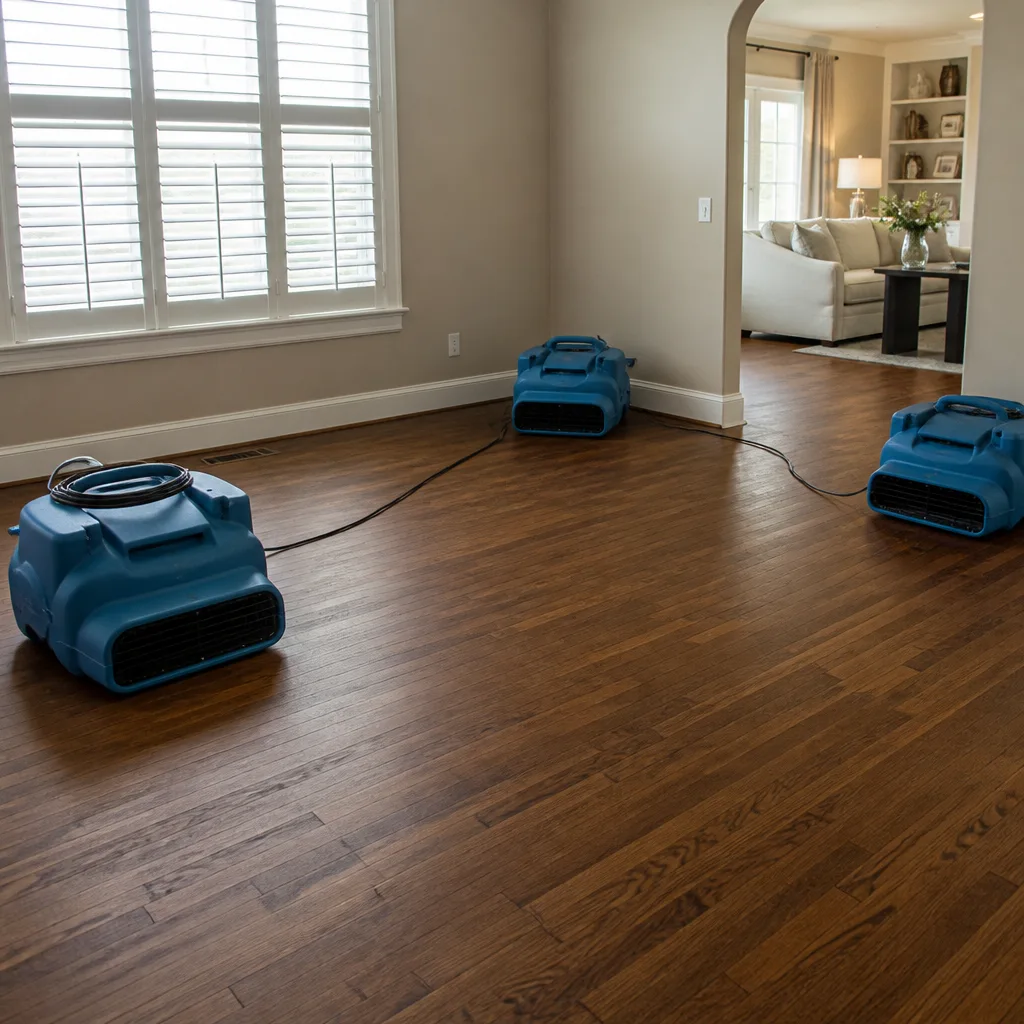 Water damage drying
 Fire & smoke cleanup
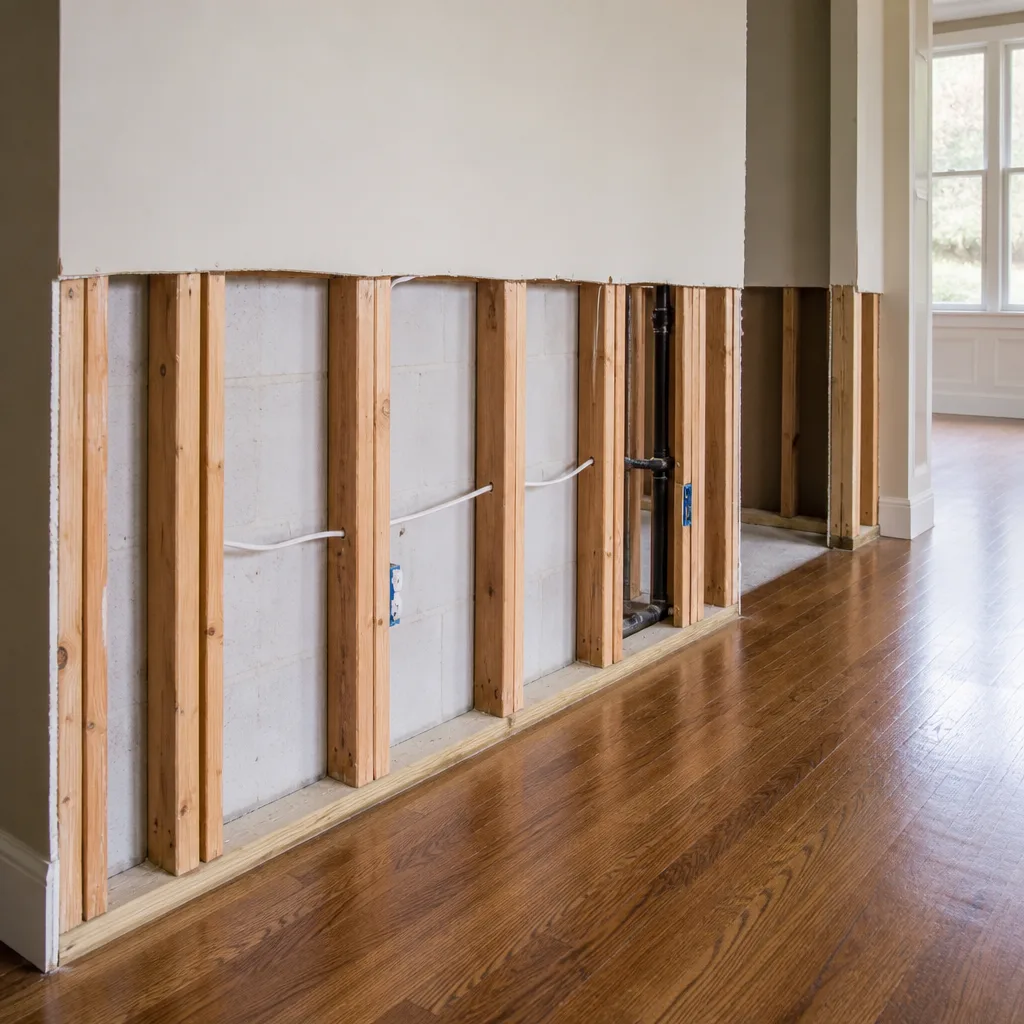 Mold remediation
 Storm response
 Sewage cleanup
 Reconstruction
Free visual inspection and a written scope of work before any mitigation begins - photos, moisture readings, and drying logs go in your claim file
The scope we write is the scope we bill. Anything new gets shown to you, in writing, before we touch it.
Get your free estimateDamage Restoration Warning Signs: A Yonkers Homeowner’s Reference Guide
The single most expensive mistake our technicians see in Yonkers homes is a homeowner who painted over a yellowish wall stain three times in two years, never knowing it was an active slow leak quietly rotting the subfloor beneath them. By the time the floor gave way under a kitchen chair, the repair meant pulling cabinets, tearing out joists, and a bill that had roughly multiplied itself by eight from what a same-week fix would have cost. This guide decodes what your house is trying to tell you before a $700 drying job becomes a $14,000 rebuild. We’ve organized it by the signals themselves: color, smell, texture, sound, and the weird behavior of doors and floors that Yonkers homeowners write off as character, not catastrophe. You’ll learn what each sign means, how to confirm it with tools you can buy for under thirty dollars, and the three signals that mean you should stop reading and start dialing.
Quick Answer
The most common water damage warning signs in Yonkers homes are yellowish-brown stains that reappear after painting, musty or earthy odors that get stronger at night, door frames that suddenly stick, floors with a localized bounce, and soft or crumbly drywall or window sills. Any one of these means moisture has been present long enough to change the material; a combination of two or more means active water intrusion is likely, and you should call a restoration company for an assessment the same week, not next month. For help choosing the right professional, see our guide on How to Hire a Damage Restoration Contractor in Yonkers: A Step-by-Step Guide.
Restoration work we handle
Table of Contents
- The Yonkers Stain Identification Guide: What Each Color Actually Means
- The Smell Taxonomy: Musty, Sulfuric, and Smoky Odors Decoded
- Structural Signals in Yonkers’s Older Housing Stock: Doors, Floors, and Window Sills
- How to Use a $30 Moisture Meter and What the Numbers Mean
- The Three Warning Signs That Mean Call Today, Not Next Week
- Common Mistakes to Avoid
- When to Call a Professional
- Frequently Asked Questions
The Yonkers Stain Identification Guide: What Each Color Actually Means
Stains are the language your walls and ceilings speak, and most Yonkers homeowners misread the vocabulary. A stain is not a cosmetic defect. It is evidence of water that has already moved through a material, carried something with it, and deposited that something where you can see it. What you’re looking at is a residue record. The color tells you how long the water has been there, what it touched on the way, and whether mold is already part of the picture.
Yellow and Amber-Brown Stains: The Chronic Leak Signature
Yellowish or light brown stains with soft, irregular edges are almost always old leaks or slow, ongoing leaks. The color comes from dissolved minerals, wood tannins, or adhesive residues that water picked up as it traveled through framing, drywall, or flooring. When you see a yellow stain shaped vaguely like a puddle on a ceiling below a bathroom or around a chimney, you’re looking at water that took the path of least resistance and pooled before evaporating. The key question is whether the leak is still active. Paint over it once and watch it. If the stain returns within weeks or months, the source was never fixed. In our Water Damage Restoration in Yonkers calls, we regularly find that recurring yellow ceiling stains under second-floor bathrooms trace back to failing wax rings on toilets, cracked shower pan liners, or pinhole leaks in copper supply lines that only weep under pressure.
Brown stains with darker, more defined borders usually indicate water that sat in one place longer, or water that moved through old framing lumber and brought iron and tannins with it. On Yonkers homes built before 1970, original plaster and lath construction means a brown stain can hide a much larger wet cavity behind it than the visible stain suggests. Plaster holds water differently than drywall, and it will happily hide saturated wood lath behind a small discolored patch for months before the paint finally fails.
Gray and Gray-Black Stains: Mold Byproduct, Not Dirt
Gray stains, particularly ones that look slightly fuzzy or have irregular margins that grow over time, are commonly mold byproduct on surfaces that cycle between wet and dry. This is not the same as black mold panic that gets thrown around on the internet. What you’re seeing is a stain left by mold colonies that have already colonized the surface, even if the surface is now dry. Gray stains along baseboards, inside closets on exterior walls, or around window frames in Yonkers homes are a loud signal that recurring condensation or intermittent water entry is present. They don’t scrub off with a sponge and bleach so much as smear and return, because the colony extends into the material, not just onto it.
When gray stain shows up on the underside of roof sheathing visible from an attic, that’s a roof leak signature. When it shows up at the top of a basement wall just below the joists, that’s usually a splashback or flooding history. Either way, gray staining is a mold indicator that predates the smell most people associate with mold, which makes it a useful early-warning signal for Mold Remediation in Yonkers work that would otherwise go undetected until the odor forces the issue.
White Chalky Residue: Efflorescence and Foundation Water Migration
White, chalky, crusty residue on concrete, brick, or masonry is efflorescence, and it’s not mold. It’s the mineral salts left behind when water moves through a porous masonry material and evaporates from the surface. On Yonkers basements and foundation walls, efflorescence is evidence that moisture is migrating through the slab or wall on a regular basis. You’ll commonly see it as a white powder that brushes off easily, only to return within days or weeks. On block foundation walls in neighborhoods like Ludlow and Park Hill, efflorescence in vertical patterns that start at the floor and climb two or three feet is a strong indicator of seasonal groundwater pressure against the foundation.
Don’t ignore efflorescence because it rinses off. The water carrying those minerals is still doing its work behind the surface, saturating sill plates, rusting anchor bolts, and creating the conditions for mold in any organic material it touches. Correcting it may be as straightforward as extending downspouts and regrading the soil outside, or it may call for an interior drain system and a sump pump. The white powder is the miner’s canary walking out of the mine.
The Smell Taxonomy: Musty, Sulfuric, and Smoky Odors Decoded
Smell is the earliest warning system most Yonkers homes have, and it’s also the one homeowners most aggressively try to cover up with candles, plug-in diffusers, and baking soda boxes. Here’s the problem: odor is not surface-level. If you can smell it, the volatile compounds producing that smell are already airborne in your living space, which means whatever is off-gassing them is established. The specific character of the smell tells you a surprising amount about where it’s coming from and how far along the underlying problem is.
Musty and Earthy: The Classic Mold Signature
A musty or earthy smell, the one people describe as “old basement” or “cabin that’s been closed up,” is the odor of microbial volatile organic compounds, or mVOCs, released by actively growing mold. The smell is strongest where airflow is poor, which is why a musty smell that’s faint during the day can become overpowering at night when the house is closed up and the air is still. In Yonkers houses, the most common locations for musty smells that come and go are basements with concrete floors, crawlspaces, and wall cavities behind leaky plumbing fixtures.
The important distinction: dry mold smells different from actively growing mold. Dry mold smells stale and slightly sour. Actively growing mold, the kind supported by an ongoing water source, smells earthy and almost sweet in high concentrations. If your musty smell gets stronger after rain, after a shower, or when the heat kicks on, you’re not imagining it. Moisture events are feeding the colony, and the heat is volatilizing the compounds. That pattern is not a ventilation problem; it’s a moisture problem with a mold symptom.
Sulfuric and Rotten Egg: Sewage or Sewer Gas
A sulfuric or rotten-egg smell is never mold, never dead animals, and never “just the way old plumbing smells.” It’s hydrogen sulfide, and in a residential setting it almost always means one of two things: a sewage backup or a dried-out trap that’s letting sewer gas into the house. If the smell is localized to one bathroom or fixture, a dried P-trap is possible, especially in rarely used guest baths or basement floor drains. Run the water for a minute and see if the smell fades. If it doesn’t, or if the smell is strongest near a floor drain, cleanout, or the lowest plumbing fixture in the house, you may be dealing with a blocked or damaged sewer line.
In Yonkers’s older housing stock, cast iron drain pipes that have been in the ground for sixty or seventy years eventually rust through, crack, or separate at the joints. Groundwater enters, sewage exits into the soil, and the smell is the first sign that the system is no longer contained. That’s a repair that never gets cheaper by waiting, and it frequently brings contaminated water damage with it.
Smoky and Acrid: Fire Damage Residue, Long After the Flames
A smoky or acrid smell that lingers months after a fire, a neighbor’s fire, or even a burnt cooking incident is not just an odor problem. Fire residue contains fine particulate soot, much of it acidic, that embeds itself into drywall, insulation, carpet, furniture, and HVAC ductwork. The smell comes back every time the furnace runs or humidity rises because the soot particles are re-volatilizing. You cannot paint over it, you cannot ozone it away reliably, and replacing the carpet won’t fix it if the ductwork and wall cavities still hold residue. Proper cleanup requires removing or sealing the affected porous materials and cleaning surfaces with the right chemistry. The longer the residue sits, the deeper it migrates. A fire that happened last year and still smells when the house gets humid is a restoration job wearing a Febreze costume.
Structural Signals in Yonkers’s Older Housing Stock: Doors, Floors, and Window Sills
Yonkers has one of the older housing stocks in Westchester County. Substantial portions of the city were built before 1950, and the prewar homes in neighborhoods like the Hollow and Park Hill have real plaster walls, old-growth lumber framing, and masonry that has been settling for the better part of a century. All of that means structural movement from normal settlement is real. But moisture damage produces its own movement signature, and learning to separate the two will tell you whether you’re looking at an old house being an old house or a wet house sounding the alarm. Our Seasonal Damage Restoration Care for Yonkers: Year-Round Homeowner’s Guide covers how weather cycles affect these patterns.
Door Frames That Suddenly Stick
Wood swells when it absorbs moisture. A door that has closed fine for five years and suddenly sticks at the top corner of the latch side is the classic structural symptom of high moisture in the framing around the door. The hinge side of the frame is attached to the stud; the stud is picking up moisture from somewhere and swelling against the plaster or drywall, which torques the frame. If it’s a bathroom or kitchen door, the source is often plumbing in the adjacent wall. If it’s an exterior door, look at the flashing, the threshold seal, and the condition of the siding or brick above. Seasonal humidity in Yonkers will cause a little movement, but a sticking door that stays stuck after the weather changes is moisture you cannot see. Pay attention to which corner sticks and whether the gap at the top of the door has narrowed on one side only.
Floors With a Localized Bounce
An old house with slightly springy floors overall is usually a structural characteristic, not a defect. The framing was sized differently, the spans were longer, and the subfloor was often 1×6 boards run diagonally. What is not normal is a single small area where the floor deflects noticeably under foot, especially if that area feels soft or spongy, or if the flooring boards have begun to cup or crown in that spot. That’s water doing two things: softening the subfloor and breaking down the fasteners holding the floor to the joists. In kitchens, the area in front of the sink and dishwasher is the classic location. In bathrooms, it’s the floor around the tub and toilet. In both cases, the leak has been present long enough to structurally degrade the floor sheathing. By the time you can feel a localized bounce, the subfloor is usually partially rotted, and the repair moves from drying into replacement.
Window Sills That Feel Soft at the Corners
The bottom corners of window sills are where water concentrates every time it gets past the window. In Yonkers homes with original wood windows, the sill-to-jamb joint is a notorious weak point. Press your fingernail into the wood at the corners. If it leaves a mark, the wood is saturated and rotting. If you can see fine white or yellow powder, that’s wood rot fungus consuming the cellulose. If the paint at the corner has lifted and blistered, water has been getting in for a while. The sneakier version: a sill that looks fine but gives slightly under a knuckle press and has tiny pits or holes, which is powderpost beetle or old termite damage often set up by years of damp wood. Window corner rot on an upper floor in a Yonkers house also means the sheathing below the window is likely wet, which routes water into the wall cavity where it can travel down and come out somewhere else entirely, often the ceiling of the room below.
How to Use a $30 Moisture Meter and What the Numbers Mean
A pin-type or pinless moisture meter is the single cheapest piece of diagnostic equipment a homeowner can own, and it answers the question that sight and smell cannot: exactly how wet is this material, right now, in numbers that mean something. You don’t need a professional-grade meter to get actionable data. A thirty-dollar model from a hardware store will measure either wood moisture equivalent or relative moisture in a range that’s good enough to flag a problem area before you call for an inspection. Here’s how to use one and what the readings are actually telling you.
How to Test Wood
- Set the meter to wood mode if it has one. Most budget meters calibrate to Douglas fir or a generic wood setting.
- Test a known-dry area first: a door frame on an interior wall, a floor joist in the attic, or a baseboard far from water sources. Note the reading. This is your baseline.
- Test the suspect area in at least three spots. Window sill corners, subfloor from below, baseboard behind a toilet, the bottom plate of an exterior wall in the basement.
- Wood at or below 12% moisture content is normal for interior framing in Yonkers’s climate. Wood above 16% is a problem flag. Wood above 20% and staying there is at risk for rot and mold. Compare suspect readings to your baseline, not to the number on the box.
How to Test Drywall
Drywall is gypsum sandwiched between paper faces, and it’s the most moisture-sensitive building material in your house. Relative moisture readings above 4% on drywall indicate elevated moisture. Yes, four percent. Normal drywall in a healthy Yonkers home reads between 0.5% and 2% on most consumer meters. When we run professional drying equipment from Dri-Eaz and Phoenix on water damage jobs, we’re using IICRC-standard procedures to measure moisture content and track drying through psychrometry; the consumer meter isn’t a substitute for that, but it will absolutely tell you whether a wall is dry or wet.
Run the meter across the lower portion of any wall you suspect. If you get a high reading in one spot and low readings six inches away, water is localizing. If the high readings run along the floor, check for a slab leak, a supply line leak behind the wall, or exterior water wicking up from the foundation. Readings that spike after rain or after running the washing machine are the smoking gun for an active water intrusion event tied to a specific source.
The Three Warning Signs That Mean Call Today, Not Next Week
Most water damage warning signs send you a memo, then an email, and then a certified letter before they become an emergency. Three specific signals skip the formalities and go straight to full volume. If you see any one of these, the clock is already running on additional damage that gets more expensive every day it’s ignored. Here’s what they are, and the honest math on what waiting costs in Yonkers.
1. Water That Is Actively Running or Pooling Where It Should Not Be
This seems obvious, but the failure mode is denial. A puddle is always a five-alarm signal, but a slow drip from a ceiling, water weeping out from under a baseboard, or a wet spot on the floor that reappears after you wipe it up is an active leak, same as the puddle. Active water means the source is currently delivering moisture into your building materials while you read this. Cost difference: containing a active plumbing leak and drying the affected area typically runs $800 to $2,500 depending on square footage. Let that same leak run for 30 days, and the same water has saturated insulation, wetted the framing, grown mold inside the wall cavity, and possibly compromised the subfloor. That job now starts around $4,000 and climbs fast. The first duty of a restoration technician is to stop the source. Everything else is triage. If you can see water moving, stop reading and call someone who can get to it today.
2. A Musty Smell Combined With Any Visible Discoloration on the Same Wall or Ceiling
One of these signals alone is worth investigating. Both together is confirmation that mold is actively growing in a material that has been wet long enough to change color. The smell proves the mold colony is established enough to be releasing mVOCs. The stain shows you where the colony is or where the water feeding it is pooling. This combination rarely appears in a space that isn’t wet right now. Cost difference: early mold remediation in a contained area, like a bathroom vanity or a basement corner, often runs $500 to $3,000 depending on the material and the extent. Let that colony spread through a wall cavity into the room beyond, and you’re into full Mold Remediation in Yonkers pricing with containment, air scrubbing, and material removal starting around $3,500 and climbing with every additional room. And none of that fixes the water problem that started it.
3. A Ceiling Bulge, Especially One That Is Growing
A ceiling that is sagging, bubbling, or showing a distinct rounded bulge is holding water. A gallon of water weighs 8.34 pounds. A ceiling cavity with a slow leak can accumulate dozens of gallons in the space above the drywall or plaster before the bulge becomes visible. What you’re looking at is a suspended water load that is actively breaking down the ceiling material from above. If the bulge is small today, it will be larger tomorrow, and there is no version of this that resolves on its own. The ceiling can give way at any point. That’s not a scare tactic; it’s a physics statement. Cost difference: a bulging ceiling that gets addressed before collapse means draining the cavity, removing the wet ceiling section, drying the framing, and replacing the drywall, typically $1,200 to $3,000. Once the ceiling collapses, whatever is below it is in the water: flooring, furniture, electronics. Then the job includes content restoration and flooring replacement, and you’re easily past $5,000 before you factor in the sentimental losses. If you see a ceiling bulge, clear the area under it, turn off the water source if you can identify it, and call.
Common Mistakes to Avoid
- Painting over stains before identifying the source. Stain-blocking primer hides the evidence but does nothing to the water still moving behind the surface. The stain comes back, and by then the framing has spent another six months wet.
- Treating mold smells with air fresheners or ozone machines. Masking the odor compounds doesn’t stop the mold from growing, and ozone doesn’t penetrate drywall or insulation. The smell returns because the colony is still there, fed by the same moisture.
- Running a box fan on a visible water leak and calling it a day. Box fans move air across the surface only and can actually drive moisture deeper into porous materials. Proper structural drying requires controlled airflow, targeted dehumidification, and moisture monitoring, which is what professional equipment from brands like Dri-Eaz and Phoenix is designed to do under IICRC protocols.
- Assuming old houses are supposed to smell musty. A Yonkers home built in 1925 will have its own character, but character is not a smell. Persistent mustiness is a moisture problem in a building, same as it would be in a 2015 build.
- Delaying the call because the wet area “dried on its own.” Surface dryness is not material dryness. Gypsum, wood, and insulation hold water in ways that feel dry to the touch for weeks. The mold that grew in that window is now dormant, waiting for the next humidity spike.
- Skipping a moisture reading because the stain looks old. Old water stains are just evidence of an old water event. They don’t tell you whether the event stopped. A moisture meter reading does.
When to Call a Professional
Call a restoration professional the day you confirm any of the three emergency signals above, or as soon as a moisture meter shows wood above 16%, drywall above 4%, or a musty smell that persists after ventilation. You should also call when you see a stain that returns after painting, a localized floor bounce, or a window sill that fails the fingernail test. A professional inspection includes moisture mapping beyond the visible stain, identification of the source, and a written scope that tells you exactly what needs to happen and what it costs. Wendell Restoration Yonkers offers free estimates in Yonkers, and every job includes a written price before any work starts, a written guarantee on every repair, and a free second visit if the repair fails. Call (631) 646-2175.
Frequently Asked Questions
A ceiling water stain means water has penetrated through the ceiling material from above, and the color and border pattern tell you how long the water has been present. Yellowish or brown stains with soft edges indicate older or slow leaks. A fresh stain will feel damp and have a darker center. Any ceiling stain below a bathroom, kitchen, or roof line should be tested with a moisture meter and traced to its source within a few days.
Only if you’ve confirmed the source of the water is fixed and the cavity behind the stain is dry. Paint seals the stain but traps moisture and mold spores behind it if the leak is still active. The stain will reappear, and the damage behind the paint will have advanced while it was invisible. Call (631) 646-2175 for a free moisture check before you paint.
Basement mustiness with no visible water usually means moisture is entering through the foundation walls or floor as vapor, not as liquid water. This is common in Yonkers homes with older concrete foundations and poor exterior drainage. The vapor condenses on cooler surfaces, feeds mold in organic materials, and the smell is the mold’s mVOC byproduct. A dehumidifier helps with the symptom but not the source.
Under the right conditions, mold can begin growing within 24 to 48 hours of a water event. Yonkers’s summer humidity accelerates the timeline. That’s why structural drying that addresses the materials inside wall cavities, not just the surface, is the standard for Water Damage Repair in Yonkers. Drying takes days; mold prevention begins the first day.
It depends on your policy and the cause of the leak. Many policies cover sudden and accidental water damage, like a burst pipe, but exclude or limit damage from gradual leaks that were discoverable. The key evidence is documentation: photos, moisture meter readings, and a written history of when you noticed the stain or smell. A restoration company that provides photo-documented assessments gives you exactly what an adjuster needs to evaluate the claim. Call (631) 646-2175 to get a documented assessment before calling your insurer.
A water stain is the residue left after water has evaporated. An active leak means water is still being delivered into the material. You can tell the difference in two ways: a moisture meter reading on the stain, and whether the stain changes size, shape, or darkness over a few days. A stain that’s dry and stable tells you the event happened. A stain that’s damp, growing, or returning after painting tells you the event is still happening.
The Bottom Line
Yonkers homes have been standing through blizzards, nor’easters, and a century of seasonal freeze-thaw cycles, and the ones that survive intact are the ones whose owners read the signals early. Yellow stain means water has been there. Gray stain means mold has already arrived. White efflorescence means the foundation is moving water on schedule. A musty smell means an active colony is releasing compounds into your air. A localized floor bounce means the structure itself is already compromised. None of these warnings get better with time. The tools to confirm them cost less than dinner for two, and the professionals who fix them are a phone call away. When in doubt, call (631) 646-2175 for a free estimate. We’ll put the price in writing before any work starts, and you’ll know exactly what you’re dealing with.
Written by Blake Sorensen, Owner at Wendell Restoration Yonkers, serving Yonkers since 2006. For more guides & resources, visit our blog.
See the difference
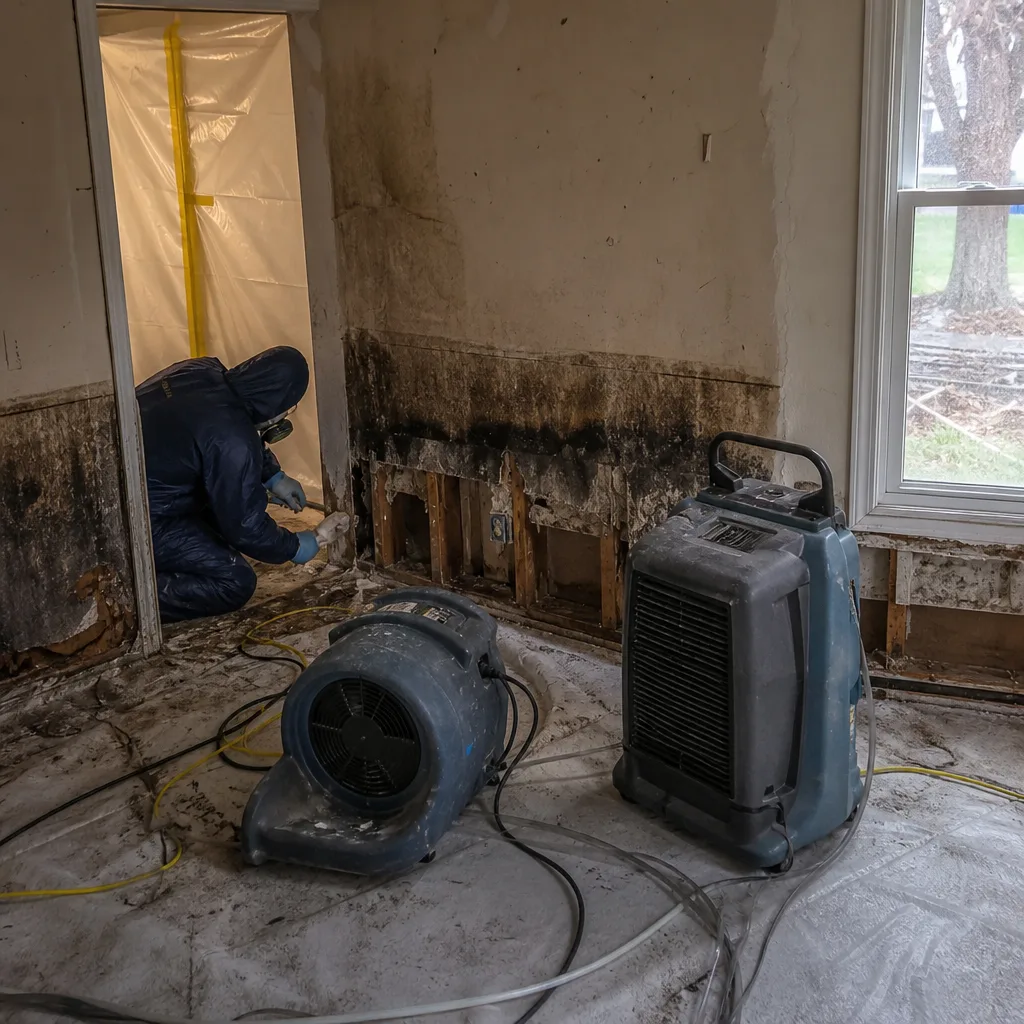 Before
 After
After Before
 After
After Before
 After
After