
Last updated October 16, 2026
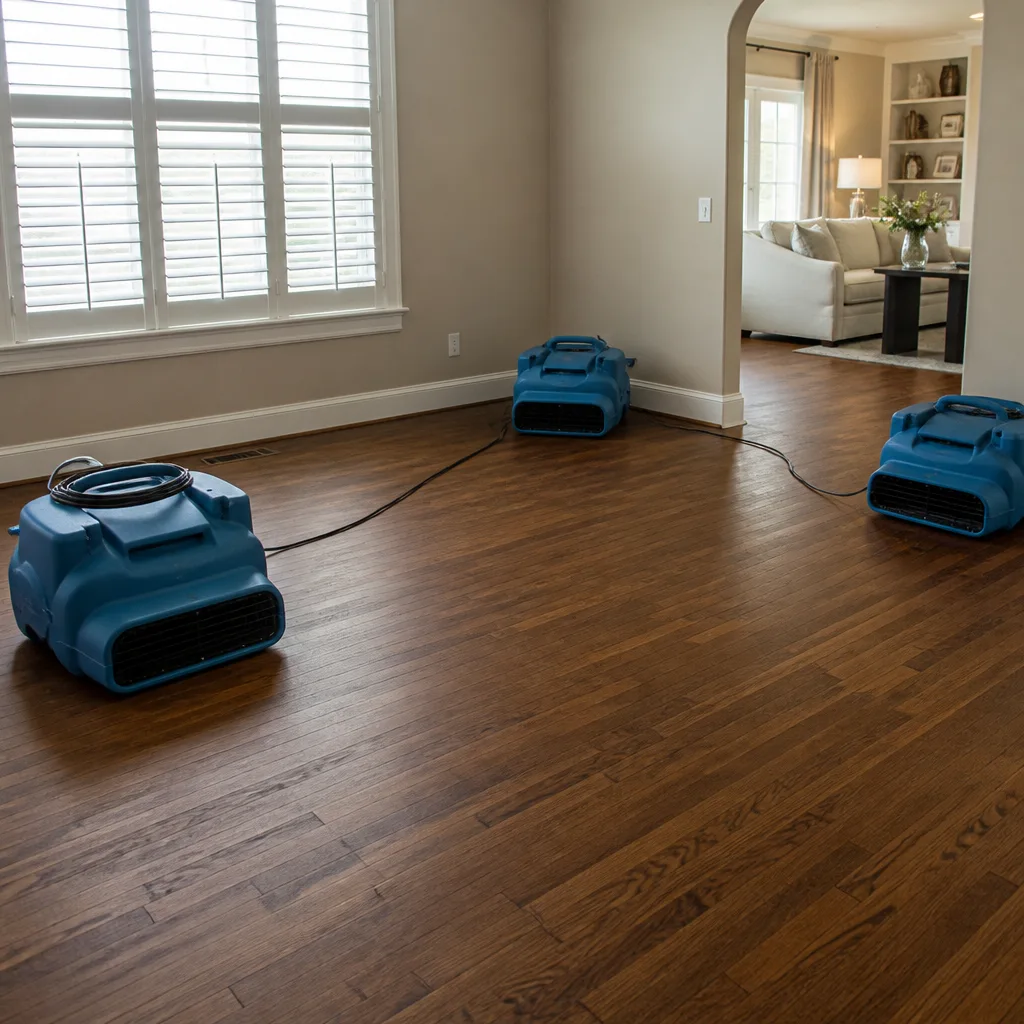 Water damage drying
 Fire & smoke cleanup
 Mold remediation
 Storm response
 Sewage cleanup
 Reconstruction
Free visual inspection and a written scope of work before any mitigation begins - photos, moisture readings, and drying logs go in your claim file
The scope we write is the scope we bill. Anything new gets shown to you, in writing, before we touch it.
Get your free estimateDamage Restoration Cost Breakdown: The Yonkers Homeowner’s Reference for 2026
Two homes on Nepperhan Avenue flooded within a week of each other last March. Same square footage, same water source, same insurance carrier. One homeowner paid $4,200. The other paid $11,800. The damage was nearly identical. The difference came down to how each contractor wrote the invoice: one itemized every phase of restoration with market-rate pricing, the other handed over a single lump sum labeled “water damage remediation” with no backup. This guide exists so you can read a restoration quote the way an adjuster does, and you can find more guides & resources on our blog. You’ll learn the actual 2026 price ranges for every phase of damage restoration in Yonkers, what variables legitimately raise costs, which line items signal padding, and how to evaluate any quote before you sign it.
Restoration work we handle
Quick Answer
Water damage restoration in Yonkers typically costs between $2,500 and $7,800 for a standard basement flood under 500 square feet in 2026, while full structural drying with mold prevention runs $4 to $8 per square foot. Most Yonkers homeowners pay $4,500 to $6,000 when the job includes extraction, drying, antimicrobial treatment, and baseboard or drywall replacement within the first 48 hours. The single biggest cost factor is time: calling within 24 hours usually means drying alone; waiting 72 hours often means mold remediation gets added to the invoice.
Table of Contents
- Why Two Yonkers Quotes Can Differ by $7,600
- Phase 1: Emergency Extraction and Water Removal Costs
- Phase 2: Structural Drying Equipment and Labor Rates
- Phase 3: Antimicrobial Treatment and Odor Control Pricing
- Phase 4: Drywall Demo, Baseboard, and Flooring Removal Costs
- Phase 5: Content Pack-Out, Cleaning, and Storage Fees
- Insurance Pricing vs. Retail Pricing: The Xactimate Gap
- Legitimate Cost Variables in Yonkers Homes
- Red-Flag Line Items That Signal Price Padding
- ROI of Speed: Calling at 24 Hours vs. 72 Hours
- Common Mistakes to Avoid
- When to Call a Professional
- Frequently Asked Questions
- The Bottom Line
Why Two Yonkers Quotes Can Differ by $7,600
Restoration pricing in Yonkers follows a logic you can learn in about ten minutes. The gap between a $4,200 quote and an $11,800 quote for the same basement usually comes down to three things: how the invoice is structured, what equipment is actually deployed, and whether the contractor is billing at insurance-network rates or retail rates.
An itemized invoice will list each phase separately: extraction, drying equipment per day, antimicrobial treatment per square foot, demolition, disposal, and reconstruction. A lump-sum invoice rolls all of that into one number and leaves you unable to compare it to anything. One contractor’s “remediation” might include three days of drying; another’s might include seven. Without line items, you’re paying for a promise, not a plan.
Our team at Wendell Restoration Yonkers home has walked through hundreds of basements across Yonkers, from Park Hill to Ludlow to Crestwood. What we consistently see is this: homeowners who receive a written price with equipment counts, per-day rates, and a defined drying period almost always pay less than homeowners who receive a single number with no backup. The reason is simple: itemized pricing creates accountability. A lump sum creates ambiguity, and ambiguity costs money.
Phase 1: Emergency Extraction and Water Removal Costs
Emergency water extraction in Yonkers runs $150 to $500 for a standard room under 300 square feet, $400 to $900 for a full basement between 300 and 800 square feet, and $1,000 to $2,500 for whole-home floods exceeding 1,000 square feet. These 2026 Westchester County rates include the truck-mounted or portable extraction unit, the technician’s labor for 1 to 3 hours, and disposal of the extracted water. Most contractors bill extraction as a flat fee for the first two hours, then $75 to $125 per additional hour.
- Portable extraction unit (small rooms): $150 to $350 flat rate
- Truck-mounted extraction (standard basement): $400 to $750 flat rate
- Whole-home flood extraction: $1,000 to $2,500 depending on square footage
- Additional technician hours: $75 to $125 per hour
- Emergency after-hours dispatch in Yonkers: $100 to $250 premium
What you’re paying for here is speed and thoroughness. A professional-grade extraction unit removes water in hours, not days, which is the single most important factor in preventing secondary damage. Every hour water sits in drywall, subfloor, and framing, it wicks higher and spreads further. By the time you can see visible damage at the baseboard line, moisture has typically traveled 18 to 24 inches up the wall cavity behind it.
Yonkers homes built before 1980 often have plaster-and-lath walls instead of drywall. Plaster absorbs water more slowly but releases it more slowly too, which means extraction on older homes sometimes requires additional equipment time. If your home falls into this category, expect extraction pricing to land at the higher end of the ranges above.
Phase 2: Structural Drying Equipment and Labor Rates
Structural drying is where restoration invoices get complicated, and it’s also where the most money moves. The goal is straightforward: use air movers and dehumidifiers to force moisture out of building materials until the structure reaches its dry standard, typically 8% to 12% moisture content in wood framing. The process is called psychrometric drying, which simply means tracking the air’s moisture level so you know when your home is truly dry, not just surface-dry.
In Yonkers, 2026 market rates for drying equipment run:
- Air mover (high-velocity fan): $25 to $40 per unit per day
- Commercial dehumidifier (LGR type): $45 to $70 per unit per day
- Standard room setup (4 air movers, 1 dehumidifier): $145 to $230 per day
- Full basement setup (8-10 air movers, 2-3 dehumidifiers): $380 to $650 per day
- Daily moisture monitoring visits: $75 to $150 per visit
A typical Yonkers basement flood takes 3 to 5 days to dry completely. That means equipment alone runs $1,100 to $3,200 for the drying phase. This is where the invoice structure matters most: a contractor who bills “structural drying: $2,800” without specifying how many pieces of equipment, for how many days, at what daily rate is asking you to trust a number you cannot audit.
The equipment brands matter because they dry differently. Professional-grade units from Dri-Eaz and Phoenix move significantly more air and remove more water per kilowatt-hour than rental-store fans, which is why they’re the standard on commercial loss sites. Wendell runs the same equipment on residential jobs in Yonkers, deployed under IICRC protocol, because under-drying a structure by even 2% moisture content is enough to support mold colonization inside a wall cavity. A homeowner will never see that moisture differential. A psychrometer will.
Phase 3: Antimicrobial Treatment and Odor Control Pricing
Antimicrobial treatment prevents mold and bacteria from establishing a colony in materials that got wet but are being salvaged. It’s applied as a spray, foam, or fog across affected surfaces after extraction and before or during drying. In Yonkers, 2026 pricing runs $0.75 to $1.50 per square foot for standard treatment, $1.50 to $3.00 per square foot for treatment with mold-inhibiting sealant, and $200 to $600 per room for odor control using hydroxyl generators or ozone machines.
- Standard antimicrobial spray (per sq ft): $0.75 to $1.50
- Treatment with mold-inhibiting sealant (per sq ft): $1.50 to $3.00
- Odor control machine rental (per day): $75 to $150
- HVAC duct fogging (whole home): $300 to $700
- Complete treatment for 400 sq ft basement: $300 to $600
The products used here matter less than the coverage. An antimicrobial only works where it actually lands. A contractor who spends 20 minutes fogging a basement and bills $500 is not providing the same value as one who spends 90 minutes applying treatment to every affected surface, including the wall cavities behind removed baseboard. Ask for a coverage map or a written description of what was treated. If the invoice says “antimicrobial treatment” and nothing else, ask for the square footage treated and the product used.
Odor control is often bundled into antimicrobial treatment, but it shouldn’t be billed as a mystery line item. Hydroxyl generators are the current industry standard because they can run safely in occupied spaces, unlike older ozone machines which require evacuation. If you see “ozone treatment” on a Yonkers quote, ask whether the technician will run it while you’re home. The answer should be no, and the contractor should have a plan for that.
Phase 4: Drywall Demo, Baseboard, and Flooring Removal Costs
Once materials are saturated beyond drying’s useful limit, they come out. Drywall that has wicked water more than 24 inches or shows visible swelling gets cut and replaced. In Yonkers, demolition and removal pricing for 2026 breaks down like this:
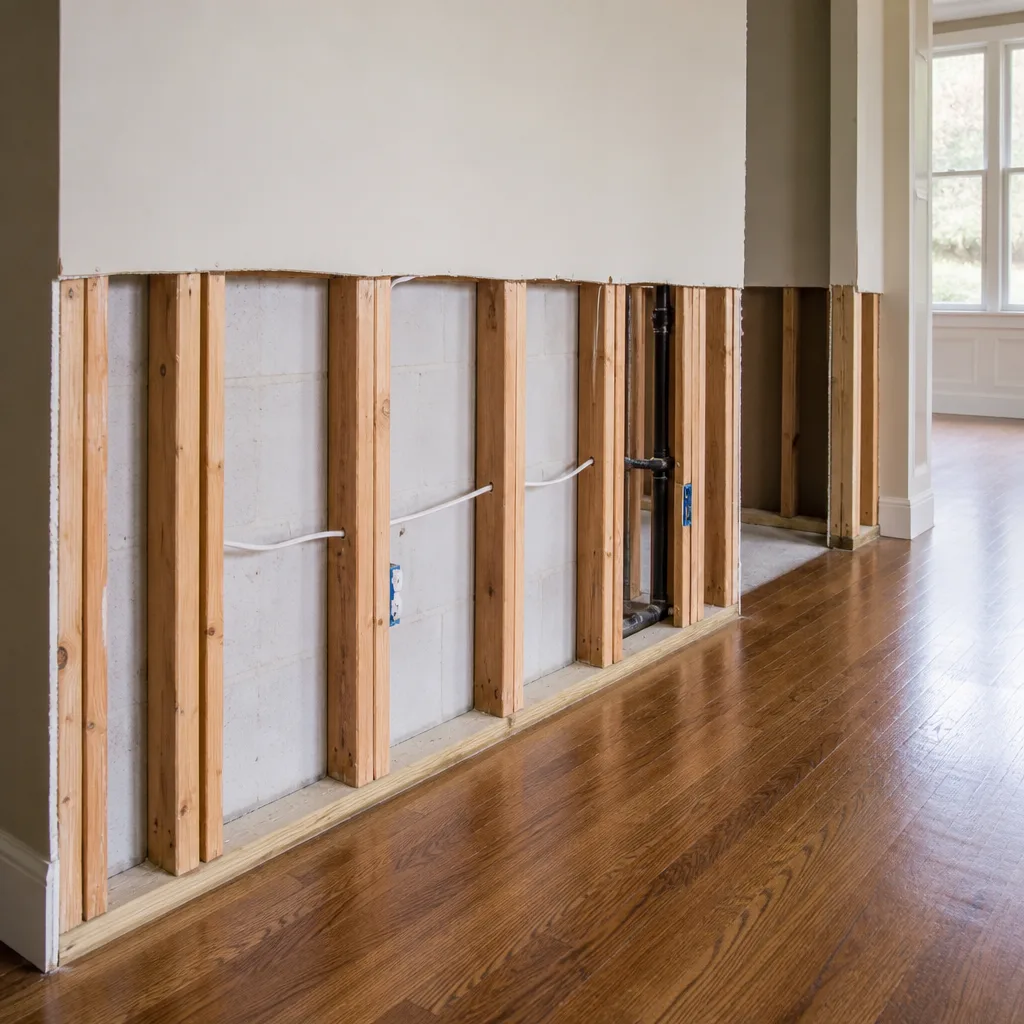
- Drywall removal (per linear foot of wall, 2-ft flood cut): $3 to $6
- Full standard wall removal (per sq ft of wall): $1.50 to $3.00
- Baseboard removal and disposal (per linear foot): $1 to $2
- Carpet pad removal and disposal (per sq ft): $1 to $2
- Vinyl plank or laminate flooring removal (per sq ft): $1.50 to $3.50
- Debris disposal and hauling (per load): $150 to $400
Replacement costs sit immediately above these numbers. New drywall installation with taping and mudding runs $2.50 to $5.00 per square foot in Westchester County. New baseboard runs $3 to $7 per linear foot installed. New carpet pad runs $1.50 to $3.00 per square foot. None of these are hidden costs, but they often appear as separate line items after the demolition phase, which makes the total bill larger than most homeowners expect on first read.
This is the phase where Yonkers homes built before 1978 trigger lead paint protocols. The EPA requires lead-safe work practices for any demolition that disturbs more than six square feet of painted surface in those homes. Contractors must contain the work area, use HEPA vacuums, and follow specific cleanup procedures. That adds $300 to $800 to the average basement demo. It’s a legitimate cost. A contractor who skips it is cheaper, and also violating federal law while potentially putting lead dust into your home’s air. See our overview of Damage Restoration Permits, Codes & Inspections in NY: What You Need to Know for related compliance issues.
Phase 5: Content Pack-Out, Cleaning, and Storage Fees
Content pack-out is the process of removing, inventorying, cleaning, and storing your belongings while the structure is restored. Insurance adjusters call it “content manipulation,” which sounds vague enough to mean anything or nothing. In practice, it’s labor-intensive and legitimately expensive.
2026 Yonkers pricing:
- Pack-out labor (per technician per hour): $45 to $75
- Standard basement pack-out (200-400 sq ft of contents): $600 to $1,500
- Content cleaning (per hour, soft goods and upholstery): $50 to $85
- Electronics assessment and cleaning (per item): $25 to $75
- Off-site storage (per month for standard basement contents): $200 to $500
- Inventory documentation (per job): $150 to $350
What separates a legitimate pack-out from padding is the inventory. A proper pack-out includes a written inventory, often with photos, so you and your adjuster know exactly what left the house, where it went, and what condition it was in. If a contractor bills $1,200 for “content manipulation” with no inventory and no photos, you’re paying for a black box. This is where before-and-after photo documentation matters. If the contractor can’t show you what they packed, how it was stored, and what it looked like when it came back, the line item is unverifiable.
Insurance Pricing vs. Retail Pricing: The Xactimate Gap
Here’s the single most useful thing you can understand about restoration pricing in Yonkers: there are two pricing systems, and they produce different numbers for the same work.
Insurance restoration work is typically priced through Xactimate, a software platform that uses zip-code-level pricing data to generate line-item estimates. Xactimate prices are regional averages, updated monthly, and they’re what your adjuster uses to approve or reject a contractor’s scope. Contractor retail pricing, by contrast, is what you’d pay out of pocket with no insurance involvement. Retail pricing in Westchester County typically runs 20% to 40% below Xactimate pricing for labor and equipment, because Xactimate includes overhead and profit allocation that contractors expect on insurance jobs.
This gap creates a negotiation dynamic that most Yonkers homeowners never see. When a contractor bills insurance work at Xactimate rates, the insurance company approves the claim and pays. When the same contractor bills you directly at Xactimate rates, you’re paying insurance-network pricing without the insurance company’s negotiating power. This is why some $11,800 quotes are legitimate insurance-scoped estimates, and why a $4,200 quote for the same work might reflect retail pricing on a cash job. Neither number is wrong. But you should know which system you’re being quoted in.
A written estimate that shows line items with unit prices and quantities is auditable against Xactimate’s public pricing data. A single number with no breakdown is not. If you’re filing an insurance claim, insist on an itemized Xactimate-compatible estimate. If you’re paying out of pocket, ask for retail pricing. The difference is thousands of dollars in Yonkers.
Legitimate Cost Variables in Yonkers Homes
Not every high quote is padding. Yonkers has specific housing stock characteristics that legitimately raise restoration costs compared to, say, a 2005 build in Danbury or White Plains. Understanding these variables will help you evaluate whether a higher quote is justified.
- Pre-1980 construction and asbestos. Homes built before 1980 in Yonkers commonly contain asbestos in flooring, pipe insulation, and even drywall compound. If restoration work will disturb these materials, state and federal regulations require asbestos testing ($350 to $800) and, if positive, licensed asbestos abatement ($1,500 to $5,000 depending on scope). A contractor who quotes higher because they’re testing for asbestos is being responsible. A contractor who never mentions asbestos in a pre-1980 Yonkers home is either ignorant or willfully noncompliant.
- Lead paint protocols. As noted above, pre-1978 homes trigger EPA lead-safe work practices. This adds labor hours, containment materials, and post-job verification. Expect $300 to $800 in additional cost on any demolition work.
- Mold remediation containment setup. If mold is already present or suspected, IICRC protocol requires containment barriers, negative air pressure machines, and PPE before any remediation begins. This setup typically runs $1,000 to $2,500 in Yonkers, and it’s non-negotiable. Skipping containment spreads mold spores through the rest of the house.
- Access constraints. Many Yonkers homes are older builds with narrow basement stairwells, low ceiling clearance, or tight side alley access. Equipment has to be carried in and out by hand rather than wheeled through double doors. This adds labor hours, which shows up as higher extraction and drying line items.
- Multi-unit coordination. If you live in one half of a two-family house, which is common across large sections of Yonkers, restoration work may require affecting shared walls, basement systems, or building access. Coordinating with the other unit’s occupants and the building’s systems adds legitimate project management time.
Red-Flag Line Items That Signal Price Padding
Some line items are legitimate. Others are designed to look legitimate while extracting extra money. Here’s what we tell Yonkers homeowners to watch for when reviewing a restoration quote:
- Vague “project management fees” exceeding 10% of total job cost. Project management is real work, but it should be itemized and proportional. A 20% PM fee on a $6,000 job is $1,200 for essentially coordinating phone calls. On insurance jobs, overhead and profit are already built into Xactimate pricing. A separate PM fee on top of that is double-dipping.
- Daily equipment rental billed after equipment is removed. Compare the equipment line item dates against the drying period. If air movers were in your basement for 4 days but the invoice shows 6 days of rental, that’s not an accounting error. That’s padding you’re supposed to miss.
- Unlabeled “disposal” charges. Legitimate disposal includes the hauling fee and landfill tipping costs, which in Westchester County run $75 to $150 per ton. If a quote shows $800 for “disposal” with no weight, no load count, and no landfill receipt, ask for breakdown. Disposal should never be a mystery number.
- “Mold remediation” on a job with no mold testing. Mold remediation requires specific protocols, containment, and post-remediation verification. If a contractor adds $2,000 for “mold remediation” but never tested for mold, never set up containment, and never performed clearance testing, that line item is fiction.
- Emergency “assessment fees” that don’t credit toward the job. Some Yonkers contractors charge $199 to $400 for an initial assessment visit, then don’t apply that fee toward the restoration work if you hire them. Legitimate restoration companies include assessment in the written estimate, which is free.
- Duplicate line items for the same phase. We’ve seen quotes that list “structural drying labor” and “drying monitoring” and “moisture mapping” as three separate charges that all describe the same technician visit. Monitoring visits should be one line item at one rate.
ROI of Speed: Calling at 24 Hours vs. 72 Hours
The most expensive decision in water damage restoration is often the decision to wait. Here’s what the numbers look like in Yonkers based on average mold colonization timelines and drying data:
Calling within 24 hours: Water has not yet saturated structural framing beyond the surface. Extraction removes the bulk of standing water. Structural drying typically requires 3 to 4 days of equipment. Antimicrobial treatment prevents mold before it starts. Total typical cost for a standard Yonkers basement flood: $3,500 to $5,500. No mold remediation needed.
Waiting 72 hours: Water has saturated drywall, baseboard, subfloor, and structural framing. Mold spores, which are present in every Yonkers home’s dust, have found enough moisture to begin colonization. Drywall must be cut out rather than dried in place. Drying extends to 5 to 7 days. Mold remediation protocol now applies: containment, air scrubbing, antimicrobial treatment with mold-specific products, and post-remediation clearance testing. Total typical cost: $7,000 to $12,000. The additional cost is almost entirely mold remediation and extended drying.
That’s a $3,500 to $6,500 difference for a 48-hour delay. In Yonkers, where summer humidity and older housing stock combine to accelerate mold growth, the 72-hour scenario is more common than homeowners expect. The humid Hudson Valley climate means building materials dry slower here than in, say, Denver or Phoenix, which means the mold window opens sooner and stays open longer.
Common Mistakes to Avoid
- Signing a work authorization without a written scope and price. In New York, a contractor can legally begin work on an emergency authorization form that doesn’t specify pricing. That form becomes a blank check. Read it. If there’s no price on it, write the price in before you sign.
- Assuming your insurance company will catch padding. Adjusters process hundreds of claims. They look for obvious overcharges, not subtle line-item manipulation. You are the only person who knows whether equipment was actually in your basement for the number of days billed.
- Choosing a contractor based on the lowest extraction fee. Extraction is 10% of the total job cost. Drying and reconstruction are 70%. A contractor who quotes $99 for extraction and then bills premium rates for equipment rental is not saving you money. Look at the total estimate, not the headline number.
- Paying in full before the job is complete and verified. The final payment should be released only after drying verification documentation is provided, showing moisture readings below the dry standard. If a contractor won’t provide post-drying moisture readings, don’t provide final payment.
- Ignoring the post-remediation clearance test. If mold remediation was part of your job, the final step should be air sampling and surface testing by an independent inspector, not the remediation company itself. Skipping this step saves $400 to $800 and leaves you unable to verify that the remediation worked.
- Letting a contractor handle content pack-out without an inventory. Your couch, your grandmother’s photo albums, your tax documents, all gone into a truck without a written list. Get the inventory, with photos, before anything leaves your home.
When to Call a Professional
Standing water, saturated drywall, water wicking up walls, or a musty odor within days of a leak all justify a professional assessment. High-tension situations like sewage backups and contaminated water (Category 2 or Category 3) require professional equipment and protective protocols that no amount of renting fans from a home improvement store can replicate. If water has been present in your Yonkers home for more than 24 hours, if the water source might be contaminated, or if flooring is already buckling, call a restoration company. Water Damage Restoration in Yonkers should begin with a written estimate and a defined drying plan. Wendell Restoration Yonkers offers free estimates in Yonkers. Call (631) 646-2175.
Frequently Asked Questions
Standard basement water damage restoration in Yonkers costs $3,500 to $7,800 in 2026, with most jobs landing between $4,500 and $6,000 when the work includes extraction, structural drying, antimicrobial treatment, and minor demolition. Square footage, water category, and response time are the biggest variables. Call (631) 646-2175 for an exact quote, estimates are free.
Standard homeowners insurance covers sudden and accidental water damage, such as a burst pipe or appliance failure, but does not cover gradual leaks, seepage, or flood damage from external water sources. Yonkers homeowners in flood zones may need separate flood insurance through the National Flood Insurance Program. Your restoration contractor should provide photo documentation and work directly with your adjuster so the claim reflects the actual scope of damage.
Most restoration companies in Yonkers respond within 4 to 8 hours for non-emergency water damage. Wendell does same-day dispatch when you call (631) 646-2175, with a live person answering the phone 24/7 and a tracked technician arrival time. Water damage does not keep business hours, and neither does a restoration company worth calling.
Mold remediation typically adds $2,500 to $6,000 to a Yonkers water damage job, driven by containment setup, negative air pressure equipment, antimicrobial treatment, and post-remediation clearance testing. That’s why responding within 24 hours matters: you’re paying for drying instead of remediation. If mold is already visible, Mold Remediation in Yonkers is the appropriate next step, and the work should follow IICRC containment protocols.
Household fans and dehumidifiers do not move enough air or remove enough moisture to dry wall cavities, subfloor, and framing. Surface drying leaves hidden moisture that supports mold inside walls. Professional-grade equipment from Dri-Eaz and Phoenix moves significantly more air and produces measurable moisture removal tracked with a psychrometer. You can, however, reduce damage immediately by shutting off the water source, moving contents to dry areas, and calling a professional. Call (631) 646-2175 for a free assessment before you rent anything.
Restoration refers to the drying and mitigation phase, while repairs are the reconstruction work that follows: replacing drywall, baseboard, flooring, and paint. Some Yonkers contractors handle both phases. Others only restore and sub-contract the repairs. Water Damage Repair in Yonkers should be quoted separately from mitigation so you know exactly what each phase costs, and the work should come with a written guarantee.
The Bottom Line
Water damage restoration in Yonkers costs between $3,500 and $7,800 for a standard basement flood in 2026, with speed of response being the single largest cost driver. Itemized invoices with equipment counts and daily rates are always cheaper in practice than lump sums, because itemization creates accountability. Learn to read the line items: extraction, drying, antimicrobial treatment, demolition, and pack-out each have defined price ranges in Westchester County. Understand the difference between insurance pricing and retail pricing. Watch for padding in vague fees, phantom equipment days, and mystery disposal charges. And when you call, know that the price should be in writing before any work starts. That’s how restoration should work, and it’s how we’ve done it since 2006.
Written by Blake Sorensen, Owner at Wendell Restoration Yonkers, serving Yonkers since 2006.
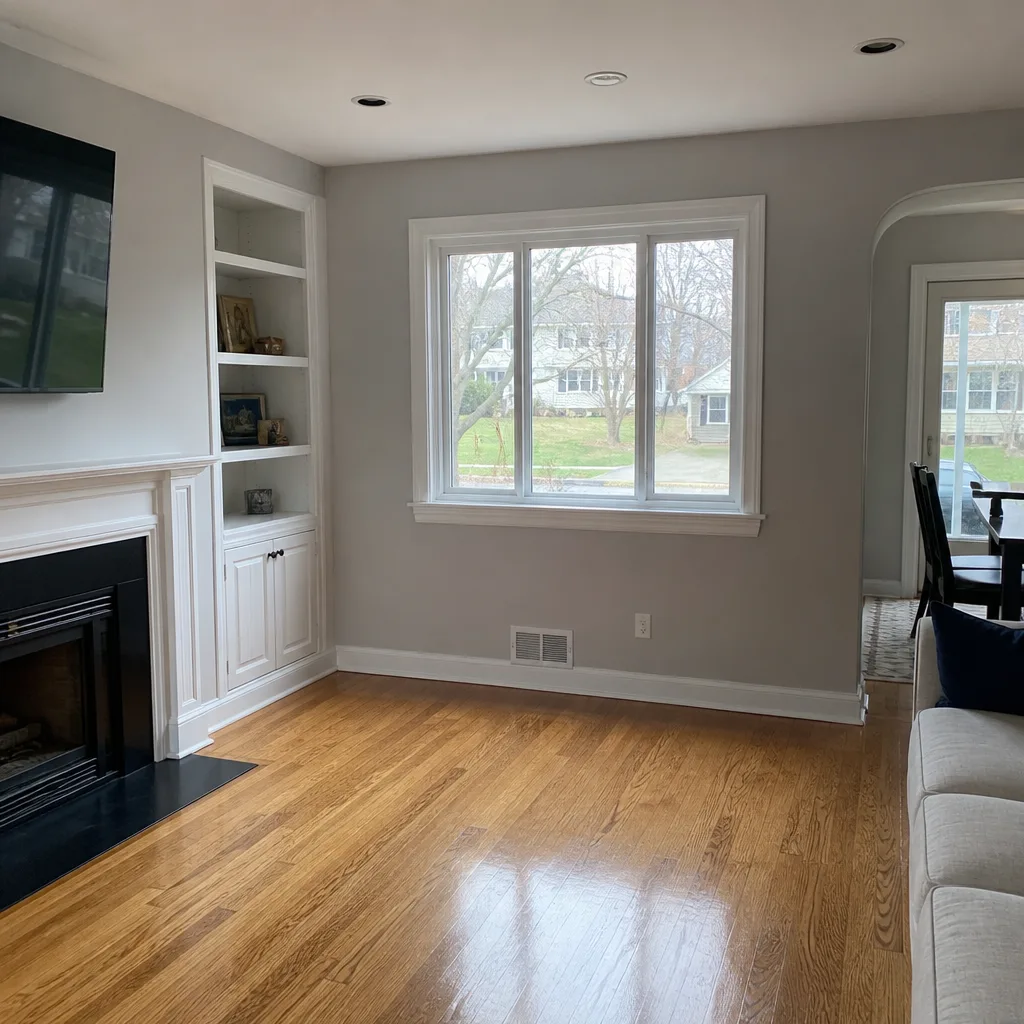
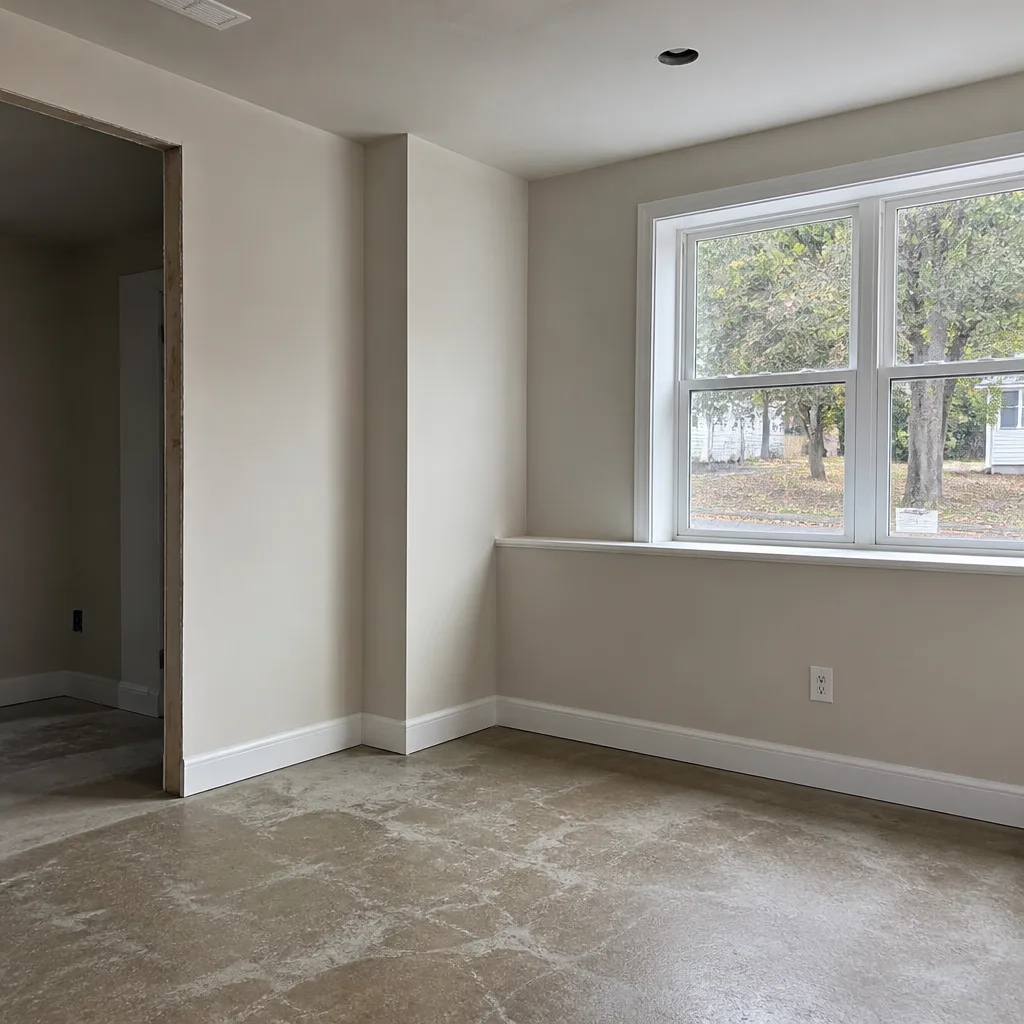
See the difference
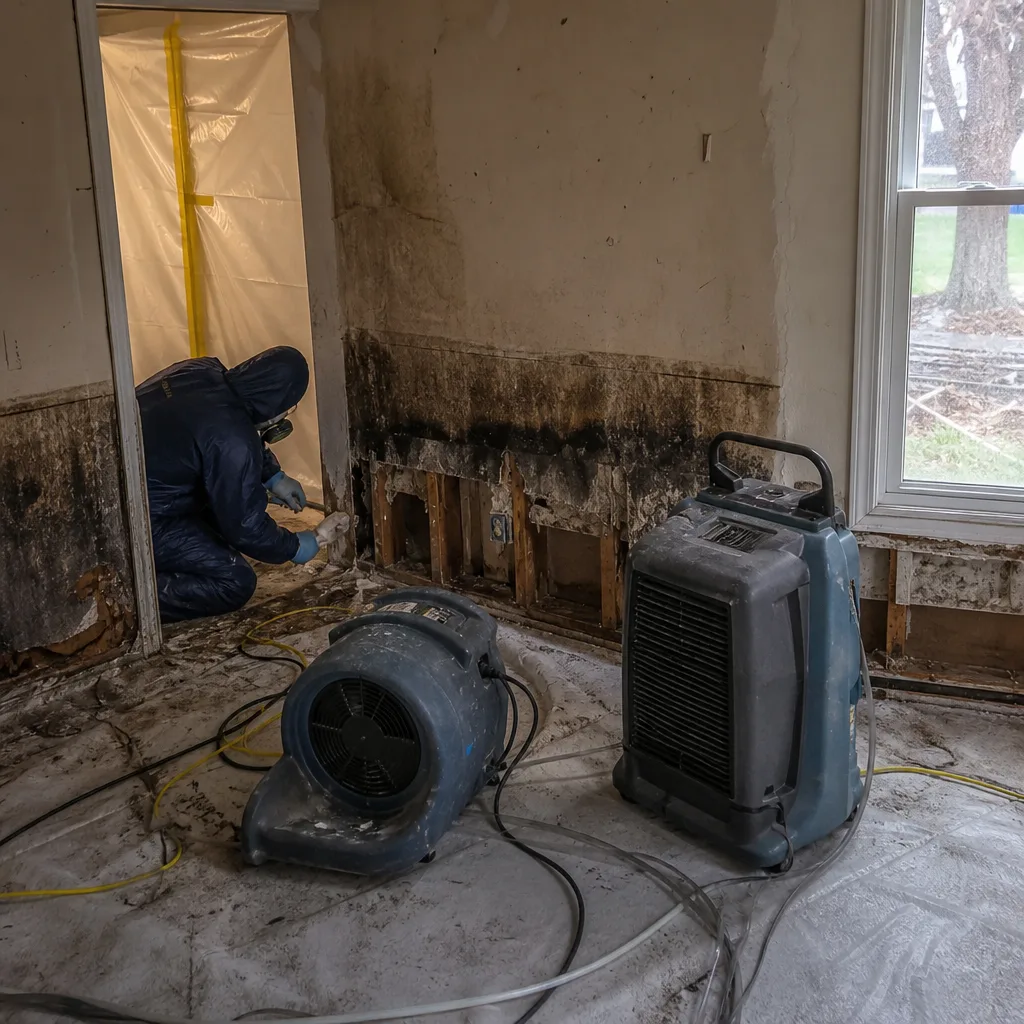 Before
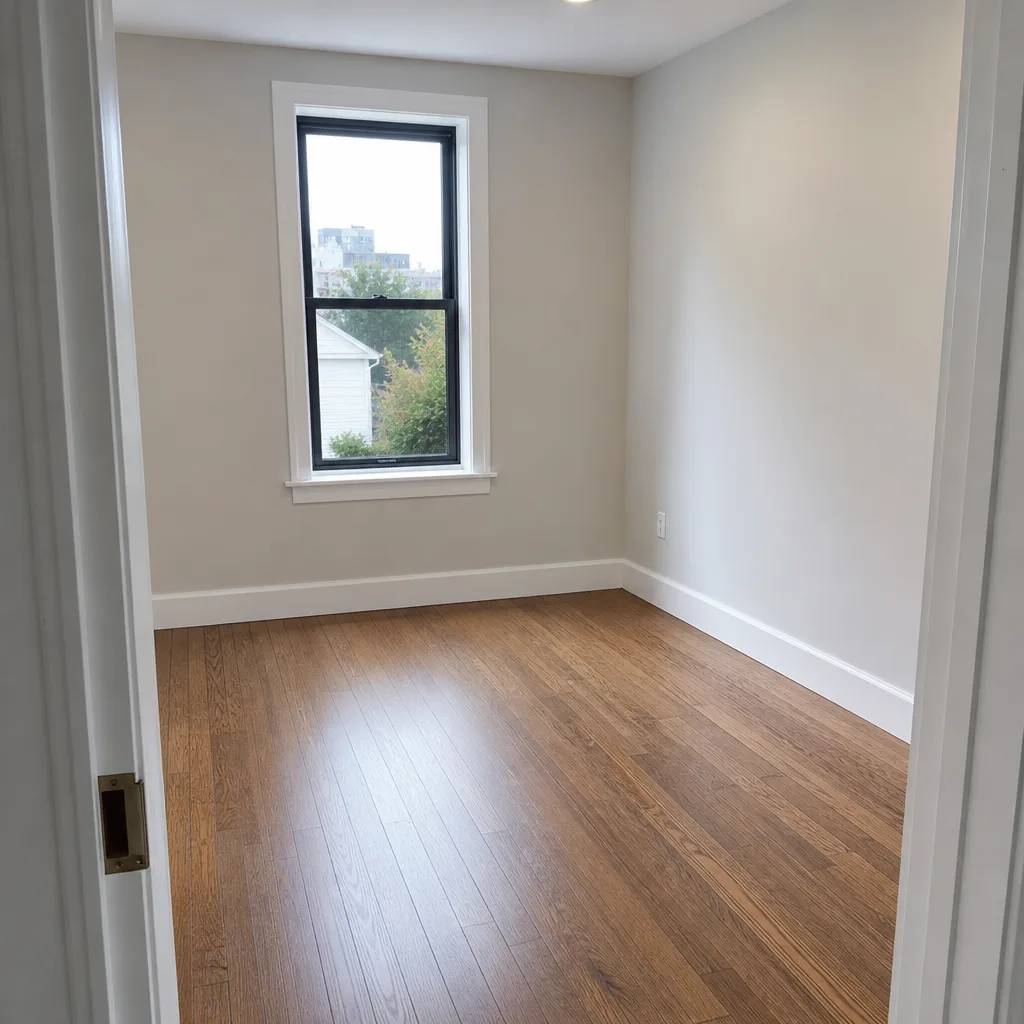 After
After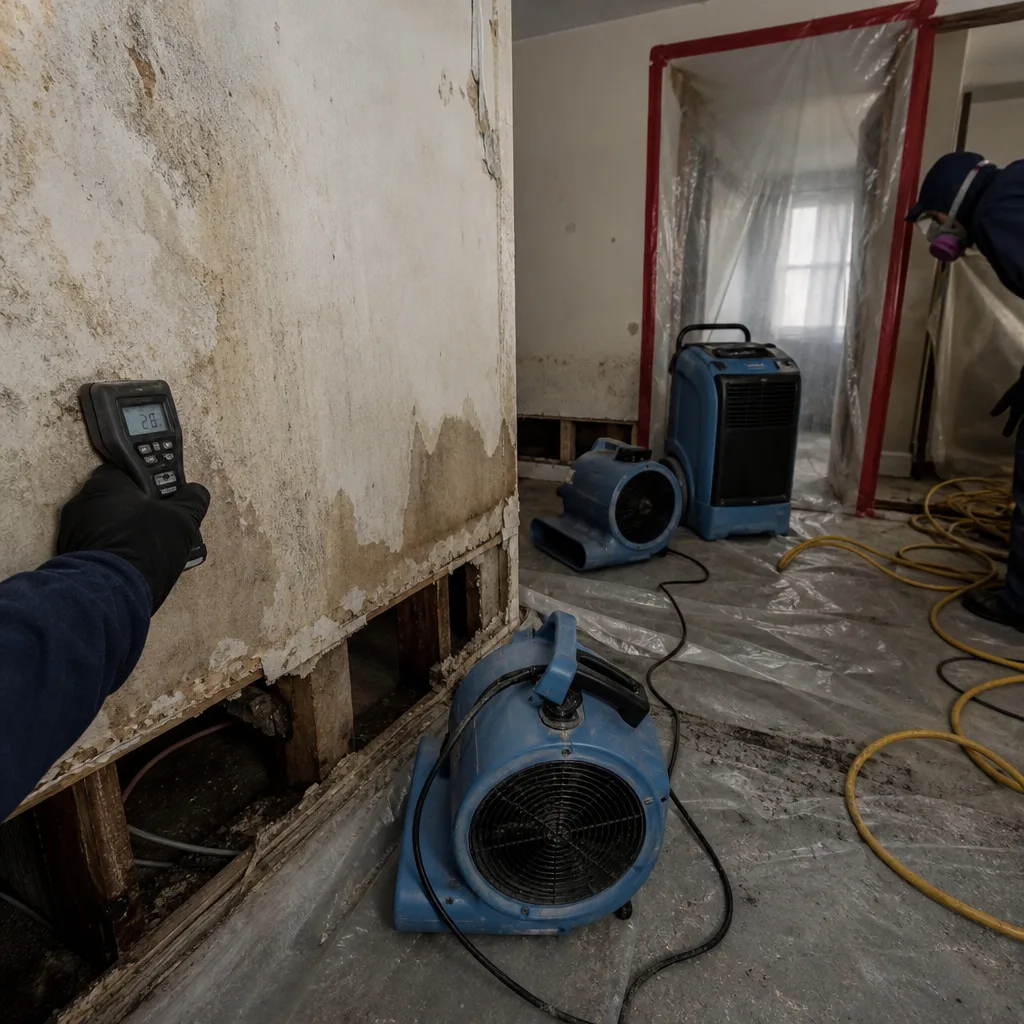 Before
 After
After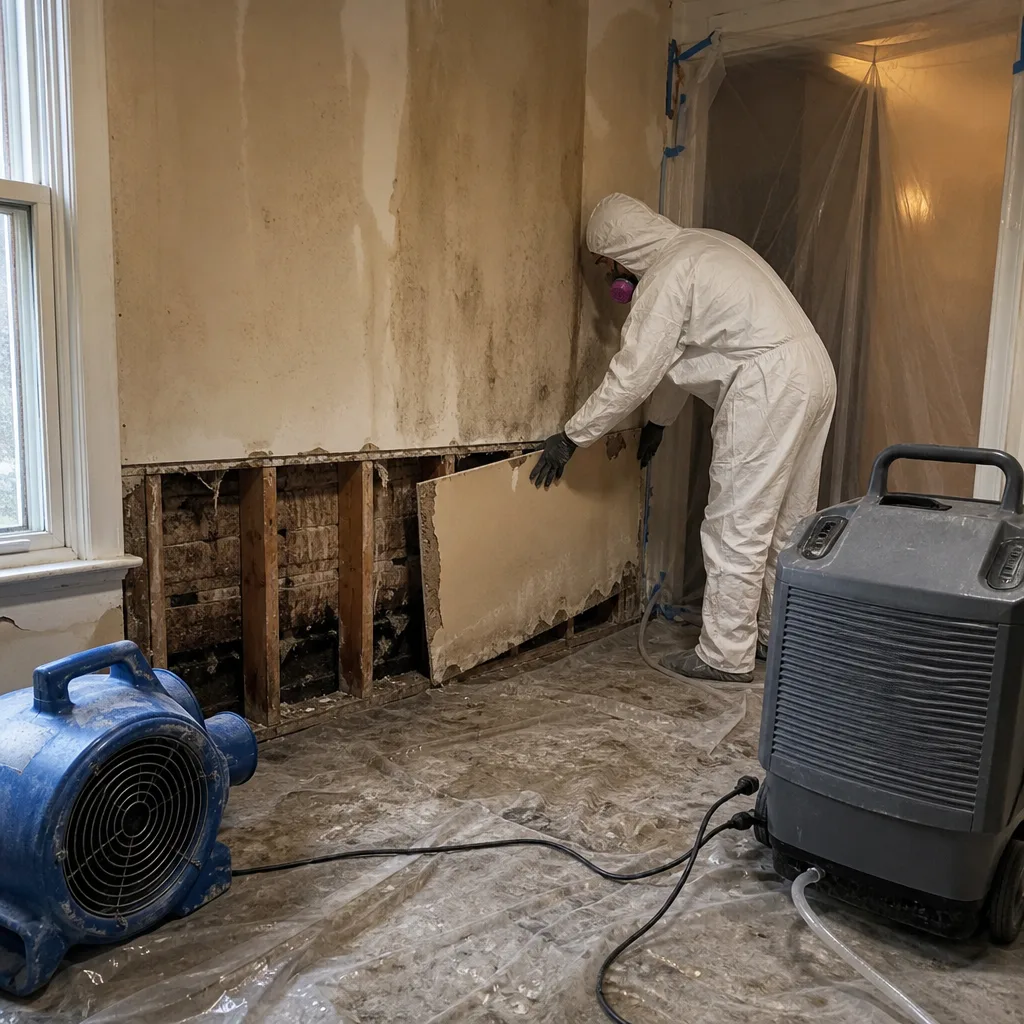 Before
 After
After