
Last updated October 16, 2026
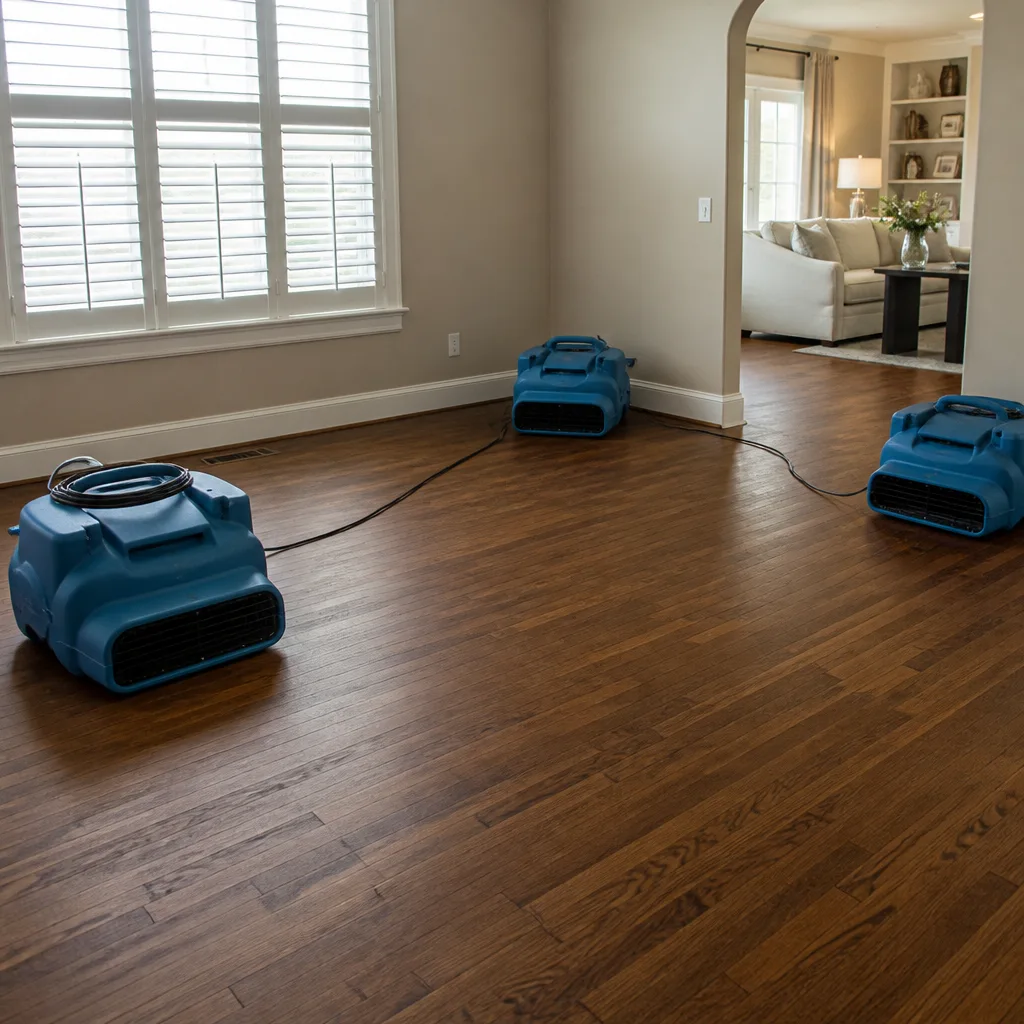 Water damage drying
 Fire & smoke cleanup
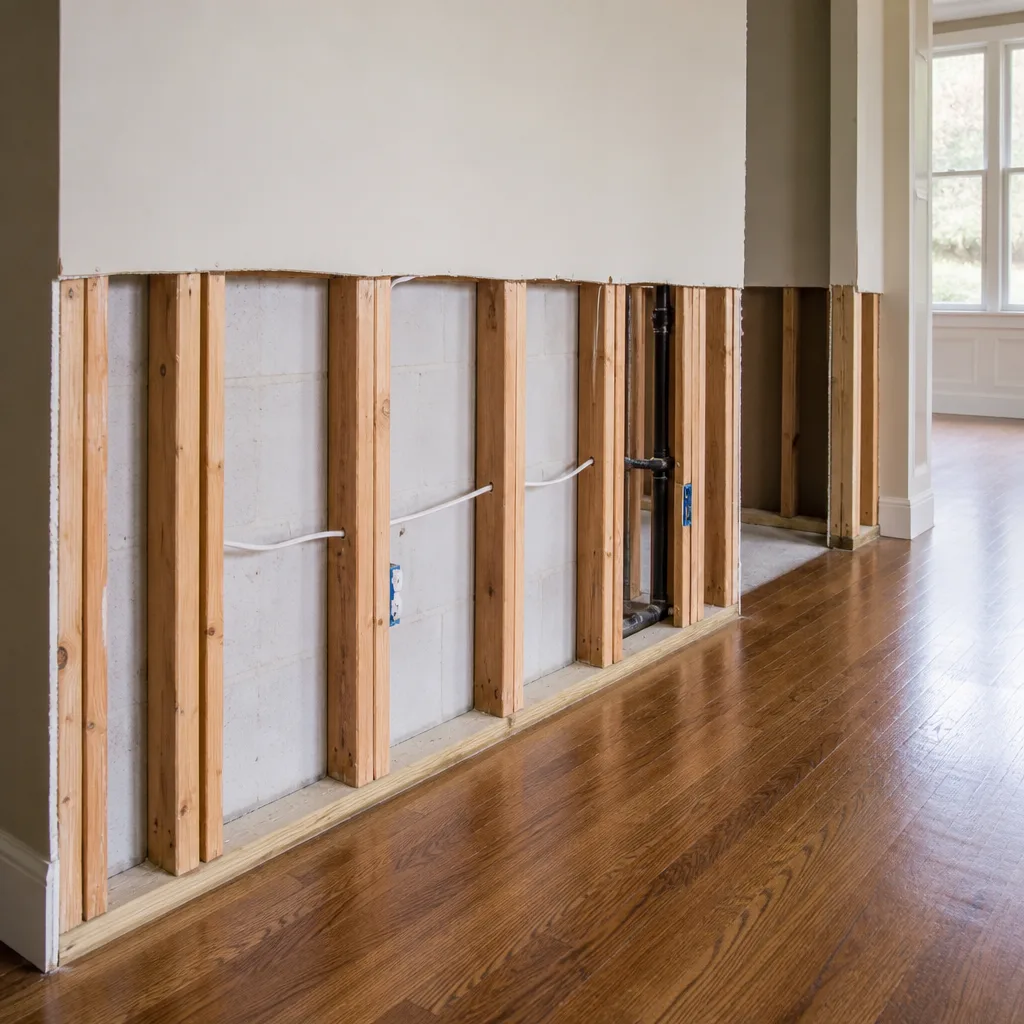 Mold remediation
 Storm response
 Sewage cleanup
 Reconstruction
Free visual inspection and a written scope of work before any mitigation begins - photos, moisture readings, and drying logs go in your claim file
The scope we write is the scope we bill. Anything new gets shown to you, in writing, before we touch it.
Get your free estimateWater Damage Restoration Maintenance Checklist for Yonkers Homeowners
Yonkers sits at a strange intersection: a Hudson River climate that pushes moisture into old foundations, and an aging municipal infrastructure where water mains and sewer lines fail with surprising regularity. Every spring, the three most common calls we get at Wendell Restoration Yonkers trace back to the same six overlooked maintenance points most checklists never mention. This guide covers those specific failure points, the Yonkers plumbing age zones that determine what’s inside your walls, and how to build a documentation trail that makes any future insurance claim dramatically smoother.
Quick Answer
A water damage prevention checklist for Yonkers homeowners should focus on seasonal sump pump testing, inspecting your home’s specific plumbing material by age zone, documenting moisture baselines with a pin meter, and checking rowhouse-specific roof and parapet vulnerabilities. These four areas account for roughly 70% of the water damage calls we respond to in Yonkers, and addressing them proactively is the single most effective way to reduce Water Damage Restoration services costs and insurance disputes.
Restoration work we handle
Table of Contents
- Yonkers Plumbing Age Zones: What’s Inside Your Walls
- Sump Pump Load-Testing for Yonkers Snowmelt Season
- Documenting Your Moisture Baseline: Pre-Loss Insurance Proof
- Flat-Roof and Parapet Inspection for Yonkers Rowhouses
- Room-by-Room Sign-Off: The Annual Insurance Record
- Yonkers Seasonal Timing: When Each Check Matters Most
- Common Mistakes to Avoid
- When to Call a Professional
- Frequently Asked Questions
Yonkers Plumbing Age Zones: What’s Inside Your Walls
Yonkers housing stock spans three distinct plumbing eras, and each one fails in a predictable way. Knowing which era your home falls into tells you exactly what to look for before a pipe bursts at 2 a.m.
Pre-1960: Galvanized Steel. Homes in neighborhoods like Ludlow, Park Hill, and the older sections of South Yonkers often still carry original galvanized supply lines. These pipes corrode from the inside out over 60-plus years. The failure signature is rust-colored water after a vacation or a period of disuse, followed by narrowing internal diameter that shows up as weak water pressure. By the time you see rust flakes, the pipe wall is often thin enough to rupture. If your home falls into this zone and you haven’t replaced supply lines, treat every water spike as a warning shot.
1960s to 1980s: Copper. Most of Northeast Yonkers and the mid-century homes around Lincoln Park and Crestwood were plumbed with Type M copper, which is thinner-walled than Type L. The failure signature is pinhole leaks, especially at elbows and solder joints. These start as seeps you might never notice until a ceiling stain appears. In our experience, copper pinhole leaks are the most common source of hidden water damage in Yonkers basements and first-floor ceilings.
Post-1990: PVC and PEX. Newer construction and renovated homes typically use PVC for drains and PEX for supply. These materials are less likely to fail on their own, but they’re vulnerable to installation errors and freeze damage during Yonkers’s winter cold snaps. The failure signature is a split at a fitting, often in an exterior wall cavity where insulation is thin.
What to do: Identify your plumbing era, then create a calendar reminder to visually inspect visible pipes in your basement and under sinks twice a year. Look for the specific failure signature for your material. For galvanized and copper, consider having a plumber run a pressure test. Replacement is expensive, but it’s dramatically cheaper than the restoration work that follows a burst.
Sump Pump Load-Testing for Yonkers Snowmelt Season
The Yonkers spring snowmelt window, typically late February through early April, is when sump pumps get overwhelmed. The ground is saturated, the snowpack releases all at once on warm days, and basements in the Saw Mill River corridor and near the Bronx River take on water fast.
Most homeowners test their sump pump by pouring a bucket of water into the pit. That tells you the pump turns on. It does not tell you whether the pump can keep up with actual demand during a melt event.
Here’s a proper load-test procedure:
- Run the pump continuously for 15 minutes. Many failing pumps will cycle fine for 60 seconds, then overheat and shut down after 10 minutes of continuous operation. Snowmelt in Yonkers often means a pump that runs for hours, not minutes.
- Check the gallons-per-hour (GPH) rating against your basement’s demand. A typical Yonkers basement of 800 to 1,200 square feet with standard perimeter drainage needs a pump rated between 3,000 and 4,500 GPH at the head height of your discharge line. Smaller pumps rated at 1,800 to 2,200 GPH are fine for minor seepage but will fall behind during a heavy melt.
- Inspect the discharge line exit point. In Yonkers winters, the exterior discharge pipe can freeze solid, especially if it exits near a walkway or driveway. When the pump runs against a frozen pipe, it burns out quickly. The fix is a discharge line that slopes away from the foundation with an air gap or a freeze-relief connection.
- Check the check valve. The check valve prevents discharged water from flowing back into the pit. If it’s failed, your pump cycles endlessly, moving the same water over and over. You can hear this: the pump runs, shuts off, and runs again within 30 seconds.
- Test the backup power source. Sump pumps run on electricity, and Yonkers snowmelt storms often bring power outages. A battery backup or water-powered backup should be tested at the same time as the primary pump. We recommend a battery backup with at least 7 amp-hours of capacity for most Yonkers basements.
If your pump fails any part of this load test, replace it before March. The cost of a new pump is a fraction of a single water damage restoration in Yonkers job after a flooded basement.
Documenting Your Moisture Baseline: Pre-Loss Insurance Proof
The most powerful insurance tool most Yonkers homeowners never use is a pre-loss moisture baseline. Here’s the problem: when you file a water damage claim, your adjuster needs to determine which damage was caused by the event and which was pre-existing. If you have no documentation of your home’s moisture levels before the event, the adjuster has no way to verify your account, and the claim often gets disputed or reduced.
A consumer-grade pin type moisture meter costs between $25 and $60. It has two small pins that you press into a surface, typically drywall, wood, or flooring. The meter measures the electrical resistance between the pins and gives you a moisture content percentage.
Here’s the documentation process we recommend to every Yonkers homeowner:
- Buy a pin type meter. Brands like General Tools and Dr. Meter make affordable models that are accurate enough for baseline documentation.
- Take readings in every room, at least three per room. Focus on exterior walls, areas near plumbing fixtures, and basement walls. Record the reading, the location, and the date.
- Photograph each reading location. Use your phone. The photos don’t need to be artistic; they need to show the meter on the wall with the reading visible.
- Store the data in a folder that is not on your phone. Cloud storage, a shared drive with your spouse, or a printed copy in a fire safe. If your phone is lost or damaged in the same event that damages your home, the data needs to survive.
- Repeat annually, ideally in the same month. Consistency matters more than frequency. Comparing year-over-year data shows you which areas of your home are slowly gaining moisture.
Normal wood moisture content in a heated Yonkers home is typically 6 to 10 percent. Drywall should read below 12 percent. Concrete basement walls will read higher due to natural humidity, but sustained readings above 15 percent anywhere in your home warrant investigation.
This baseline does two jobs. First, it helps you catch slow leaks before they become visible damage. Second, it gives you an answer when an adjuster asks how you know the damage wasn’t there before.
Flat-Roof and Parapet Inspection for Yonkers Rowhouses
Yonkers has a dense concentration of attached rowhouses and semi-detached homes, especially in Getty Square, Nodine Hill, and the downtown corridor. These homes share a specific water damage vector: the joint where your roof meets your neighbor’s roof, and the parapet walls that separate attached units.
Flat roofs and low-slope roofs are common on Yonkers rowhouses. They rely on a membrane system, either modified bitumen, EPDM rubber, or a coating system, to keep water out. The membrane’s failure points are predictable:
- Seams and laps. Flat roof membranes are installed in overlapping sheets. The joints between sheets are the first place water finds a path, especially after freeze-thaw cycles when ice expands and contracts the material.
- Penetrations. Vent pipes, plumbing stacks, and HVAC curbs create holes in the membrane. The flashing around these penetrations degrades faster than the field of the roof.
- Parapet cap joints. Parapet walls, the short vertical walls that rise above the roof line between attached homes, are topped with a metal cap. The joints in that cap, and the sealant where the cap meets the wall, are water entry points. When a parapet cap leaks on an attached home, the water often travels sideways through the shared wall and shows up as damage one or two stories below the roof.
- Scupper and drain blockages. Flat roofs drain through internal drains or scuppers. When these clog with leaves and debris in Yonkers’s fall, water ponds on the roof. Ponding water adds hundreds of pounds of weight and accelerates membrane degradation.
For Yonkers rowhouse owners, an annual flat roof inspection should include: walking the roof surface to check the membrane condition, inspecting all parapet cap joints and sealant, clearing all drains and scuppers, and checking the flashing around every penetration. If you can’t safely access your roof, hire a roofer or a restoration company that offers roof inspections as part of water damage repair in Yonkers services.
One more note specific to attached homes: water damage doesn’t respect property lines. If your neighbor’s rowhouse has a roof leak, it can travel through the shared wall and damage your unit. If you see unexplained stains on a party wall, the source may be next door. Document it, talk to your neighbor, and get a professional involved before the damage spreads.
Room-by-Room Sign-Off: The Annual Insurance Record
Insurance companies love documentation, and Yonkers homeowners who keep an annual room-by-room water damage inspection record have significantly smoother claims, as detailed in our The Complete Guide to Damage Restoration in Yonkers. The idea is simple: once a year, you walk through your home with a checklist, photograph each room, and sign off on what you checked. This becomes your pre-loss condition record.
Here’s the sign-off format we recommend, room by room:
Basement and Foundation
- Photograph all foundation walls, focusing on efflorescence (white powdery deposits) and any vertical cracks wider than 1/8 inch.
- Check the sump pit for debris and the pump’s operational status.
- Inspect the water heater for rust at the base and any signs of a slow leak.
- Document any musty odor with a note, not just a photo.
- Check the main water shut-off valve. Turn it partially off and back on to make sure it’s not seized.
Kitchen
- Photograph under the sink, where supply lines and the P-trap live. Look for drips, corrosion, and dark stains on the cabinet floor.
- Check the dishwasher connection and the water line to the refrigerator if you have one.
- Inspect the backsplash and the area behind the stove for signs of moisture damage.
- Note the condition of the exhaust fan if it vents to the exterior.
Bathrooms
- Photograph the tile grout and caulk around the tub, shower, and sink. Failed caulk is a top cause of slow, hidden leaks.
- Check under the sink for slow drips and corrosion.
- Inspect the toilet base for movement or seal failure. A toilet that rocks slightly is a sign the wax ring may be compromised.
- Look at the ceiling below the bathroom if accessible. Bathroom leaks often show up one floor down.
Attic and Upper Floors
- Photograph the underside of the roof sheathing for water stains, especially after heavy rains.
- Check for daylight coming through the roof deck, which indicates gaps in the roofing.
- Inspect the area around any skylights for staining.
- Note any condensation on the attic insulation, which indicates a ventilation problem.
Each photo should be timestamped. Most phone cameras do this automatically. Store the photos in a cloud folder with the date. If you ever need to file an insurance claim, you now have a dated, room-by-room record of your home’s condition before the loss. That record often means the difference between a claim paid in full and a claim that gets argued down.
Yonkers Seasonal Timing: When Each Check Matters Most
Yonkers has a distinct seasonal rhythm, and the maintenance calendar should follow it. Here’s the schedule we recommend to homeowners who ask when to do what:
Early spring (February through March): This is snowmelt season. Focus on sump pump load-testing, checking your battery backup, and inspecting the discharge line for freeze damage. If you have a flat roof or rowhouse parapets, inspect them now, before the spring rain season begins.
Mid-spring (April through May): Check your gutters and downspouts. Yonkers’s tree canopy, especially in neighborhoods like Beech Hill and Crestwood, drops a significant load of leaves and debris in the fall that clogs gutters. By spring, downspouts that are meant to carry water away from your foundation are often backed up, sending water into the soil next to your basement walls.
Summer (June through August): This is the best time to check your moisture baseline with a pin meter. The house is dry, air conditioning is running, and humidity levels are easier to interpret. Also use this window to inspect any exterior caulking and sealant around windows and doors, which take a beating from Yonkers’s freeze-thaw cycles.
Fall (September through November): Clean gutters and downspouts before leaf drop is done, then clean them again in late November after the trees are bare. Check your roof and parapet walls before winter sets in. Inspect your main water shut-off valve and make sure everyone in the household knows where it is and how to turn it off.
Winter (December through February): Monitor the plumbing in exterior walls and the foundation for freeze risk. If you leave Yonkers for vacation, set your thermostat no lower than 55 degrees and have a neighbor check the house after any extreme cold snap. A burst pipe in an unheated home is one of the most expensive recovery jobs we handle.
Common Mistakes to Avoid
- Testing the sump pump by pouring in a single bucket of water. A pump that handles a gallon in 30 seconds can still fail during a sustained Yonkers snowmelt event. Run it for 15 continuous minutes to test thermal endurance.
- Ignoring small ceiling stains. A brown stain on a Yonkers rowhouse ceiling often means water is traveling through a shared wall from a neighbor’s roof or plumbing, not from directly above. Investigate the source, not just the stain.
- Skipping the moisture baseline because it feels like overkill. The first time an adjuster asks when the water damage occurred, you’ll wish you had the photo record with the meter reading. It’s 30 minutes once a year.
- Fixing water damage cosmetically without finding the moisture source. Painting over a water stain in a Yonkers basement might make the room look better, but the moisture is still there. In six months, the stain returns, and by then, mold may be growing behind the paint.
- Assuming a sump pump failure is a random event. Sump pumps in Yonkers fail most often in February and March during the snowmelt window. If your pump fails, it’s usually because it was undersized for your basement, improperly maintained, or its backup power was dead. Identify the root cause, not just the symptom.
- Forgetting that attached homes share water damage. In Yonkers’s dense rowhouse neighborhoods, a leak in your neighbor’s unit can become your problem without any failure on your property. Annual party wall inspections are part of responsible rowhouse ownership.
- Documenting after the fact. Photos taken after water damage occurs show the damage, but they don’t show what the home looked like before. The annual room-by-room record is only useful if it exists before the loss. Start it now, before you need it.
When to Call a Professional
Some maintenance items are safe for any homeowner. Checking caulk, cleaning gutters, and running a sump pump test are all DIY-friendly. But there are moments when waiting or guessing costs more than the service call. If you find active water intrusion, a foundation crack actively leaking, a burst pipe, or mold growth larger than a dinner plate, call a professional immediately. The same goes for any electrical system that has been exposed to water, which is a serious safety hazard that requires professional evaluation. Wendell Restoration Yonkers offers free estimates throughout Yonkers, including Getty Square, Ludlow, Crestwood, and the surrounding neighborhoods. Call (631) 646-2175 for no-cost assessment and a written plan.
Frequently Asked Questions
Test your sump pump quarterly, but perform a full 15-minute load test every February before the Yonkers snowmelt season begins. The spring melt is when most pumps fail, and a pump that works for one bucket of water often cannot keep up with hours of continuous demand. If your pump is more than seven years old, schedule the load test even earlier and consider a preemptive replacement. Call (631) 646-2175 if you need help evaluating your pump’s condition.
Water damage restoration in Yonkers typically costs $1,800 to $4,500 for a standard category 1 water loss (clean water from a supply line or sump pump overflow). Structural drying with equipment monitoring usually runs $800 to $1,600, and any needed water damage repair adds to the total based on the affected materials. Get a written price before work starts, so the estimate on your screen is exactly what you pay.
Standard homeowners policies often cover sudden and accidental water damage from a sump pump failure, but coverage for the pump itself is usually excluded. Sewer backup and sump overflow require a specific water backup endorsement on many policies, so check your declarations page now, before you need it. Photo documentation of the pump, the damage, and your annual maintenance record can strengthen your claim. Ask for photo-documented assessments and direct adjuster coordination to simplify the process.
Most Yonkers basements dry sufficiently in three to five days with professional psychrometric drying, which tracks the air’s moisture level so we know when your home is truly dry, not just surface-dry. Drying time depends on the extent of saturation, the materials affected, and whether mold has begun to grow. Concrete walls and flooring can hold moisture for weeks without professional equipment, which is why we use Dri-Eaz, Phoenix, and XPOWER gear to accelerate the process.
You can reduce mold risk by removing standing water quickly, running fans and dehumidifiers, and removing saturated porous materials like carpet and drywall within 48 hours, but mold remediation is a separate service from water restoration. If mold is suspected, schedule a mold remediation in Yonkers inspection promptly, since hidden mold behind walls often goes unnoticed until odors or health symptoms appear. Professional antimicrobial treatment is the reliable way to eliminate fungal growth after a water loss.
If the water affected more than one room, soaked into porous materials, or sat for more than a few hours, professional restoration is almost always the safer choice. Surface cleaning only addresses what you can see; trapped moisture behind baseboards and under flooring continues to cause damage and mold growth for weeks. The answer often comes down to your moisture meter readings, which is why our team at Wendell Restoration Yonkers home starts every assessment with a full moisture survey so you get an honest scope of what actually needs to be done.
The Bottom Line
Water damage in Yonkers is rarely a random event. It follows patterns: aging galvanized pipes in pre-1960 homes, copper pinhole leaks in mid-century builds, sump pumps that fail during snowmelt, and parapet leaks in attached rowhouses. The homeowners who avoid the worst of it are the ones who know their home’s specific risk profile and act before the water finds them. A seasonal maintenance routine built around the failure points in this guide, combined with a documented moisture baseline and an annual room-by-room photo record, is the most effective insurance against both water damage and claim disputes. When something does go wrong, call (631) 646-2175 and ask for a written price before any work starts.
Written by Blake Sorensen, Owner at Wendell Restoration Yonkers, serving Yonkers since 2006. Explore our more guides & resources for additional homeowner tips.
See the difference
 Before
 After
After Before
 After
After Before
 After
After