
Last updated October 16, 2026
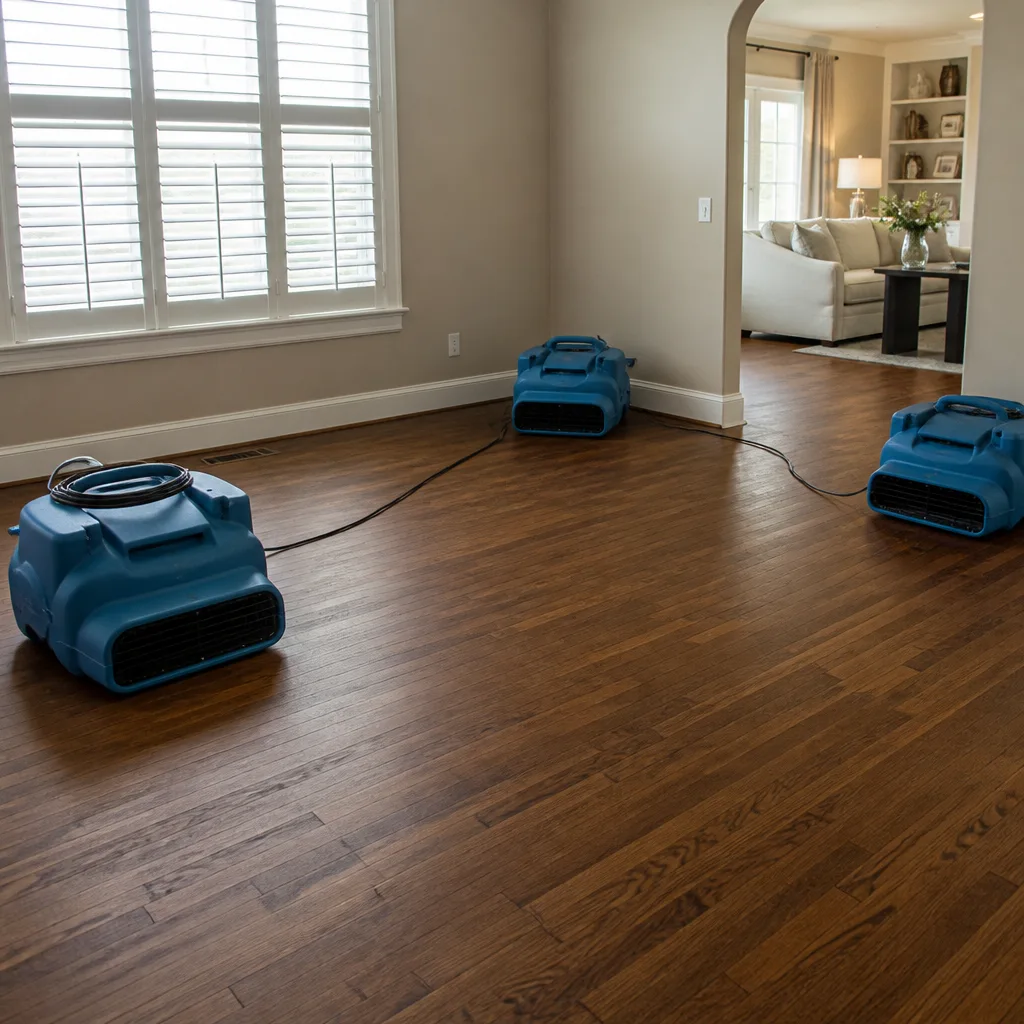 Water damage drying
 Fire & smoke cleanup
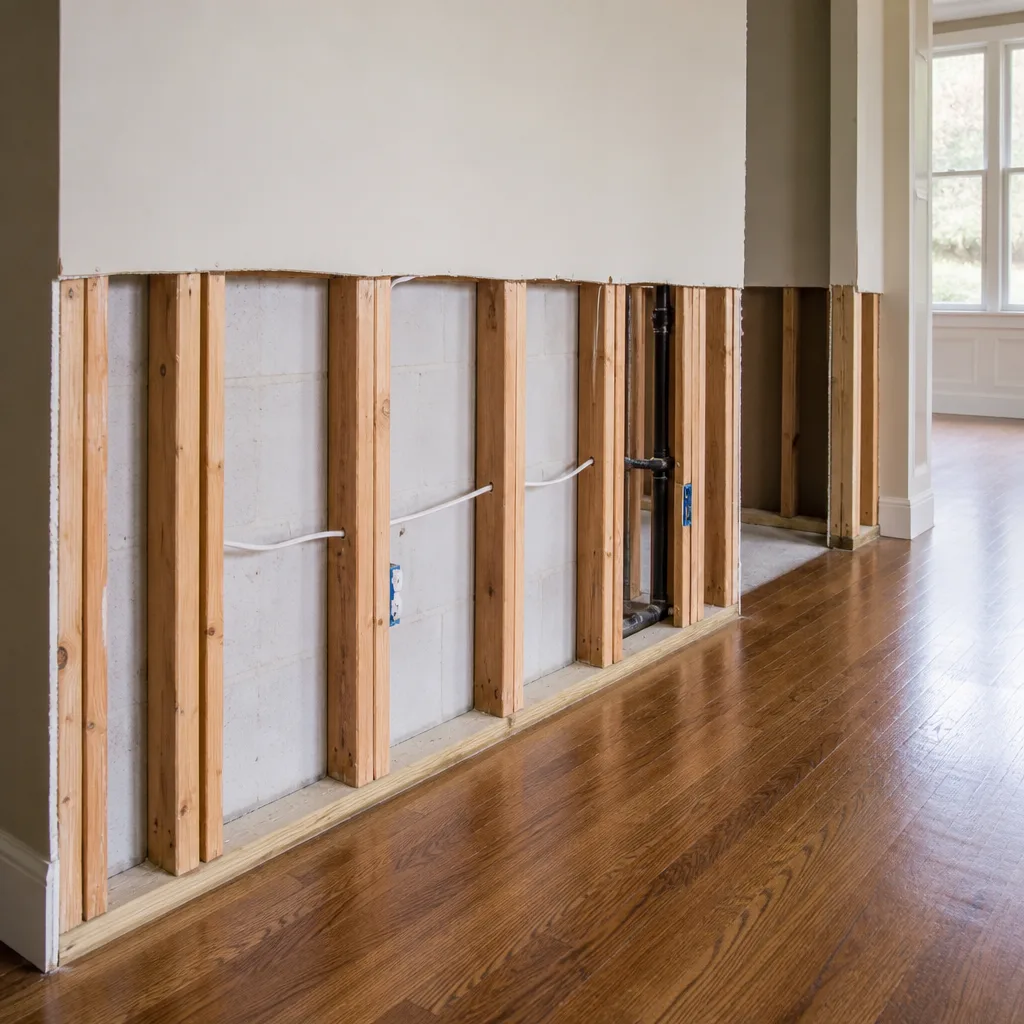 Mold remediation
 Storm response
 Sewage cleanup
 Reconstruction
Free visual inspection and a written scope of work before any mitigation begins - photos, moisture readings, and drying logs go in your claim file
The scope we write is the scope we bill. Anything new gets shown to you, in writing, before we touch it.
Get your free estimateSeasonal Damage Restoration Care for Yonkers: Year-Round Homeowner’s Guide
February is the busiest month for emergency water damage calls in Yonkers. Most homeowners assume it’s the big freeze, the single-digit night that splits a pipe. That’s part of it. But the real culprit is a slow, silent cycle that begins around Thanksgiving, when heat escapes through attic ceilings, melts the underside of snow on steep Tudor and Colonial roofs, and refreezes at the cold eaves. Week by week, an ice dam grows. By mid-February, water is backing up under shingles and running down inside walls. The frustrating part? Almost all of it is preventable, and the prevention tasks shift dramatically by season. This guide breaks Yonkers into four distinct damage seasons and gives you the exact task to complete each month. In our experience responding to thousands of local calls, the homeowners who follow this calendar are not the ones we see on emergency dispatch.
Restoration work we handle
Quick Answer
Seasonal damage prevention in Yonkers comes down to four threads: control roof temperature in winter to stop ice dams, move water away from the foundation in fall and spring, manage indoor humidity in summer, and inspect sump systems before every major thaw. The most important single month is November: clean gutters, extend downspouts, seal the attic floor, and test the sump pump. Skipping November doubles the risk of a February water damage event. This guide gives you a month-by-month plan built for Yonkers’s actual climate patterns and housing stock.
Table of Contents
- Fall: The Gutter-to-Foundation Drainage Chain
- Winter: Ice Dams and the Attic Temperature Fix
- Spring: Snowmelt Sequencing and Sump Pump Testing
- Summer: Urban Heat and Latent Mold Risk
- Month-by-Month One-Task Calendar
- Common Mistakes to Avoid
- When to Call a Professional
- Frequently Asked Questions
Fall: The Gutter-to-Foundation Drainage Chain
National gutter guidelines say downspouts should extend four to six feet from the foundation. In Yonkers, that’s often not enough. The soil across much of southern Westchester is dense glacial till with a high clay content. Water moves through it slowly, lingering against foundation walls long after a storm. When that water sits against a fieldstone or block foundation for days, hydrostatic pressure builds, and water finds the smallest crack, mortar joint, or pipe penetration. We’ve pulled wet drywall from finished basements in Dunwoodie and Crestwood where the only visible problem outside was a downspout that ended three feet from the house.
The fall task is a chain, and a chain is only as good as its weakest link. First, get gutters clean after leaf drop, which in Yonkers runs from mid-October through Thanksgiving. Second, check that downspouts extend a minimum of six feet, and more if your yard slopes toward the house. Third, confirm the grade of the first four feet of soil around the foundation slopes away at least one inch per foot. Fourth, check the discharge point. A downspout that dumps water into a garden bed that then drains back toward the house is not doing its job.
Why This Matters for Restoration Costs
Here is what the chain looks like when it fails. Water saturates the soil. The soil expands against the foundation. Water enters through a hairline crack at the floor-wall joint. The homeowner notices a musty smell around Thanksgiving dinner. By Christmas, mold is behind the baseboards. A Water Damage Restoration in Yonkers project costs three to six times what a gutter cleaning and downspout extension would have cost in October. The math is not close.
In our experience, the number one missed item on fall checklists in Yonkers is not the gutters themselves. It’s the buried downspout leader. Many older Yonkers homes have corrugated plastic pipe buried underground that connects the downspout to a dry well or the curb. Those pipes fill with leaves, silt, and roots over the years. A downspout that looks fine at the top can be backing up underground, sending water against the foundation from below. If your downspout burps or overflows at the elbow during a hard rain, the leader is clogged and pressing water back toward the house.
Winter: Ice Dams and the Attic Temperature Fix
An ice dam is a ridge of ice that forms at the edge of a roof and traps melting snow behind it. The water pools, then backs up under the shingles and into the attic. In Yonkers, where colonial revival and Tudor homes have steep roof pitches and complex valleys, ice dams are a primary driver of winter water damage calls. The damage pattern is consistent: water stains on bedroom ceilings, wet insulation, peeling plaster beneath exterior walls. What surprises most homeowners is that the root cause is not the roof. It’s the attic temperature.
Here is the physics in plain language. Snow melts on the roof when heat from the house escapes into the attic and warms the roof deck above the living space. The meltwater runs down to the eave overhang, which is colder because it sits outside the thermal envelope of the house. There, the water refreezes. The dam grows. More heat, more melt, more ice. The cycle builds every week that snow stays on the roof, which is why February, after weeks of this accumulation, is the peak month for Yonkers water damage calls.
The Fix: Seal and Insulate the Attic Floor
The permanent fix is not roof de-icing cable, though that can provide temporary relief in a bad year. The permanent fix is keeping heat out of the attic so the roof deck stays the same temperature as the outside air. That means two things: air sealing and insulation, done in that order.
- Find and seal the bypasses. The gaps around plumbing stacks, recessed lights, bathroom fan ducts, chimneys, and the hatch opening are highways for warm air. Seal them with fire-rated caulk, foam, or rigid board. This is the single highest-impact attic task in Yonkers homes built before 1990.
- Bring the attic floor to R-49 or better. For most Yonkers attics, that means 14 to 16 inches of blown fiberglass or cellulose. If you have batt insulation, lay the second layer perpendicular to the first to break the joint gaps.
- Confirm the attic is the right temperature. After a snow event, look at the roof. A roof that holds snow evenly across the entire plane is well insulated. A roof with melt lines above the living space and ice along the eave is telling you heat is escaping.
- Verify ventilation. Soffit and ridge vents keep the roof deck cold from the outside. Insulation should never block the soffit channels; use baffles to hold the airflow path open.
Some Yonkers homeowners will tell you ice dams are normal and everyone gets them. They’re common, but they’re not normal. A properly air-sealed and insulated attic simply does not generate the heat needed to build dams. Every roof that forms an ice dam every winter is sending you a message about the attic. Ignoring the message is what turns a $1,200 insulation project into a Water Damage Repair in Yonkers job that runs several times that.
Spring: Snowmelt Sequencing and Sump Pump Testing
In Yonkers, spring water damage is not a single event. It’s a sequence. Snowmelt from the Hudson Valley arrives in waves: a warm February thaw, a cold snap, then the final big melt in March. Each wave pushes water through the soil. The sequence matters because a sump pump tested in January can fail in March if the discharge line froze in February. A window well cleared in November can refill with ice and debris by March. The spring homeowner’s job is to verify the drainage path end-to-end before the melt, not after the water is already moving.
The Order of Operations
- Clear window wells first. Window wells are the number one spring basement water entry point we see in Yonkers homes with below-grade windows. A window well full of leaves and ice funnels meltwater directly against the window frame, where the seal is almost never waterproof. Clear the debris, check that the well drain or gravel base is clear, and look at the window seal before the first thaw.
- Test the sump pump second. Lift the float and listen. If the pump runs, dump a bucket of water into the pit and confirm it actually removes water. If the discharge line runs outside and underground, check the outlet for ice blockage. A frozen discharge line is a springtime insurance claim waiting to happen.
- Inspect the crawlspace vapor barrier third. Wait until soil moisture has settled, usually late March or early April in Yonkers. Look for standing water, a torn or shifted vapor barrier, and wet insulation tucked against the subfloor. A wet crawlspace in March feeds musty indoor air in April, which brings us to the next section.
- Walk the perimeter fourth. Snow plowing and freezing soil can shift the grade near the foundation. Any spot where water ponds for more than 24 hours after rain needs soil added and compacted. Check the downspout extensions again, too. They can get knocked out of place by plows or freeze-thaw shifting.
The sequence matters because each task reveals information for the next. If the window wells are full and the sump pump tests fine, you still have a water problem. If the pump tests weak and the vapor barrier is wet, you have two problems and one may be upstream of the other. Running these checks in the right order gives you the clearest read on how your home’s drainage is actually performing.
Summer: Urban Heat and Latent Mold Risk
Yonkers runs warmer than the surrounding suburbs. The urban heat island effect, with so much asphalt, brick, and building mass holding heat through the night, keeps overnight lows several degrees above the Westchester average. That extra heat does not dry out homes. It raises the moisture-holding capacity of the air. For materials that were “dried out” after a previous leak, the summer humidity is a stress test they often fail.
Here is what we mean by latent mold. Paper-faced drywall, wood framing, and carpet padding absorb water during a leak. A proper professional drying process uses psychrometric drying (tracking the air’s moisture content and vapor pressure so we know when materials are truly dry, not just surface-dry). But if the dry-out didn’t fully reach the inside of a wall cavity, or if it was done with rental fans and no moisture meters, a small amount of moisture remains deep in the material. That material sits dormant through the dry winter. When June and July arrive and indoor humidity climbs above 60 percent, the material picks up moisture from the air itself. Mold spores that were already present, but dormant, begin to grow. The homeowner sees staining or smells a musty odor months after the leak was supposedly resolved.
What Yonkers Homeowners Can Do in Summer
- Track indoor humidity. Buy a $15 digital hygrometer from any home center. Keep it in the basement or the room where the leak happened. If it reads above 60 percent for more than 72 hours, dehumidify.
- Inspect rooms with a history of water damage. Get close. Look behind furniture, inside closets, along baseboards. Musty smell in one room in August often traces back to a leak in April that was never fully dried.
- Check the air conditioning drain pan and condensate line. A clogged condensate line spills water indoors, and in a humid Yonkers summer, that water feeds mold quickly. This is a top-five origin point for summer mold claims in our area.
- If mold is visible, don’t scrub it dry. Scrubbing mold spores without killing them sends them airborne. A proper Mold Remediation in Yonkers involves containment, negative air pressure, and antimicrobial treatment applied by a trained technician. If you see mold larger than a small patch a few inches wide, call a pro.
The heat island effect is one reason Yonkers homes built in the 1920s through 1950s, with their stone foundations and uninsulated basement walls, are particularly vulnerable to summer humidity. Those basements naturally run cool, and cool surfaces condense moisture from warm summer air. The stone may look dry, but a thin film of condensation is enough to feed mold on stored boxes, wood joists, and drywall. Run a dehumidifier in the basement from June through September, set between 45 and 50 percent.
Month-by-Month One-Task Calendar
This calendar is built for Yonkers’s actual climate: a wet autumn, a winter with freeze-thaw cycles and snow events, a spring melt that runs from late February through early April, and a humid, heat-island summer. Each month, one task. Do the one task and you’ve done the prevention that matters for that month. We’ve kept it simple because a long list of chores never gets done. A single task does.
January: Inspect the Attic After a Snowfall
After the first significant snow, go outside and look at the roof. Snow should sit evenly across the plane. Melt lines above rooms, bare spots, or icicles at the eaves indicate heat escaping from the attic. Note it. This is the visual diagnostic that tells you if you need an attic air sealing and insulation project. Do not ignore icicles. On Yonkers’s Tudor and Colonial roofs, icicles are the visible warning sign of the ice dam cycle that will peak in February.
February: Monitor Ceilings and Walls for Water Stains
February is the month ice dam water shows up indoors. Walk each room and check the ceiling, especially along exterior walls and under valleys where roof planes meet. A soft yellow stain, peeling paint, or a blistering plaster bubble means water is traveling inside the wall. Call immediately. The water may be from an ice dam, a frozen and split pipe, or condensation in a cold wall cavity. The longer it sits, the more tearing out becomes necessary, and in February, every day of delay expands the damage.
March: Clear Window Wells and Test the Sump Pump
This is the pre-melt inspection. Everything from the spring sequence above: window wells clear, sump pump lifting and discharging, discharge line free of ice, gutter downspouts still in place after winter plowing. March is not the month to discover your sump pump died in January. It’s the month to confirm it’s still alive before the groundwater arrives.
April: Inspect the Crawlspace and Basement Perimeter
Walk the foundation line after the final thaw. Look for standing water, wet soil, new cracks, efflorescence (white mineral powder on the wall, a sign of water moving through masonry). In the crawlspace, check that the vapor barrier is intact, seams are overlapped and taped, and there is no standing water. April is also the time to run the perimeter inspection: grade sloping away, downspouts extended, no low spots collecting water.
May: Check Humidity and Start the Dehumidifier
As outdoor temperatures climb, indoor humidity in Yonkers basements starts to rise. This is the month to deploy the basement dehumidifier and set it for 45-50 percent. Check the AC condensate line, too, because the first hot weekend in May is when people discover the line has been clogged all winter. A garden hose shot of water through the condensate line clears a lot of problems before they start. If that line is clogged, water backs up into the house and soaks whatever is near the air handler.
June: Inspect Rooms With a Water History
The humidity is high enough now to activate any latent moisture left from previous leaks. Go to the room or area that had the past water problem and inspect like a stranger would. Smell the air as you enter. Look at baseboards, closet corners, the back of furniture against outside walls. If anything seems off, run the dehumidifier harder and consider calling for a moisture assessment. Yonkers’s summer humidity is the trigger that reveals incomplete drying jobs from prior winters.
July: Check the Attic Ventilation
On a hot afternoon, the attic should be venting heat, not baking it into a humid pocket. Make sure soffit vents are not blocked by insulation (baffles should be in place), ridge vents are clear, and no bathroom or dryer vent terminates inside the attic. A bathroom fan that dumps moist air into the attic is a very common Yonkers house issue and a fast-track to attic mold. The fix is simple: route the vent through the roof or a gable end with an insulated duct.
August: Prepare the Gutters for Leaf Season
It feels early, but August is the right month to do the gutter system audit in Yonkers because the leaves start dropping by late September and you want the gutters clean before then. Install gutter guards if that’s your plan. Confirm downspout runs, check the buried leader for blockages by running water from a hose, check the grade near the foundation. August is also the month to have the chimney flashed and checked, because the chimney is the number one roof leak point in older Yonkers houses, and fixing it before the snow season is far easier than after the first ice dam.
September: Finish Exterior Repairs Before Rain Season
Yonkers gets heavy autumn rains, and September is your last good weather window. Missing shingles, cracked flashing, peeled caulk around windows and doors, gaps where the driveway meets the foundation. Water finds the easy paths, and every exterior envelope failure is a path. Seal and patch now. This is also the month to drain and winterize outdoor spigots and irrigation lines, which protects against the freeze-thaw split that happens in December and floods the inside of the wall.
October: Air Seal the Attic
This is the single highest-leverage task of the year for preventing winter ice dams. Find the bypasses: plumbing stacks, recessed lights, bath fans, the attic hatch. Seal them all. October is cool enough to work in the attic comfortably, but early enough that the sealing materials cure before the real cold arrives. Done properly, this one task changes the entire winter damage outlook for a Yonkers home.
November: Deep Clean Gutters and Test the Sump Pump
This is the month that determines whether February is quiet or expensive. After the leaves have dropped, get up on a ladder or have a pro clean every gutter and downspout. Confirm the extensions are at least six feet out. Run the sump pump test with a bucket of water, check the discharge path. November is also the right time to test the backup system if you have one, whether battery or water-powered. If you do nothing else this year, do the November tasks.
December: Walk the Snow Perimeter
After the first accumulating snow, walk the house. Look for where the plow has pushed snow against the foundation, where roof snow is drifting over vents, where icicles are already forming at the eaves. Knock icicles down if you can do so safely, keep the area around downspout outlets clear, and if you see melt lines developing on the roof above the living spaces, schedule the attic work now, before the ice dam has weeks to grow. Prevention ends in December. After that, you’re in reactive mode until March.
Common Mistakes to Avoid
- Extending downspouts four feet and calling it done. On Yonkers’s clay-heavy soil, four feet is not enough distance. The soil holds water against the foundation. Go six feet minimum, more if the yard slopes back toward the house. A short downspout is a slow, steady invitation to water intrusion.
- Thinking ice dams are a roofing problem. The roof is not causing the dam. The heat leaking into the attic is. Replacing shingles without sealing and insulating the attic floor means the new roof will develop the same dams in two winters. We see this cycle repeat every year in Yonkers.
- Running the sump pump test once in June and never checking the discharge line. A sump pump that works fine in warm weather can fail in spring because the discharge line froze solid in February. The pump and the discharge path must be tested together, every year, before the melt.
- Treating summer humidity as a comfort issue, not a mold risk. A damp Yonkers basement in July is not just unpleasant. It’s rehydrating old building materials and feeding mold that was dormant all winter. Dehumidify to 45-50 percent and inspect rooms with a water history every summer.
- Assuming the buried downspout leader is fine because you can’t see it. Buried leaders clog with roots, silt, and leaves, then back water up against the foundation. A leader that overflows at the elbow during heavy rain is a sign of a clog. Clear it in the fall.
- Waiting until ice dams are visible to inspect the attic. By the time icicles are hanging from the eaves and the dam has formed, the attic sealing window has closed. The work still needs doing, but it won’t stop this winter’s damage. Inspect and seal in October, before the heat and snow arrive.
When to Call a Professional
Not every prevention task requires a pro, but some do. Call a professional if you see ice dams forming and water stains are already appearing on ceilings, if water is actively entering the basement or crawlspace, if mold is visible in a patch larger than a few inches, if the sump pump discharges water that is dirty or foul-smelling (a sign of a sewer or groundwater intrusion), or if you’ve tested the sump and it doesn’t move water. The faster a professional responds, the less of your home needs to be torn out. Wendell Restoration Yonkers home services include water damage restoration and mold remediation, and we provide free estimates across Yonkers. Call (631) 646-2175 and a live person answers, not a phone tree.
What makes the call worth making is how we handle the job once we’re inside. The price goes in writing before any work starts. If you need repair work, the Water Damage Repair in Yonkers team gives you a scope, a price, and a written guarantee before touching a tool. No vague estimates, no price that changes at the door. That’s the only way we’ve done it since Wendell opened in 2006.
Frequently Asked Questions
Water damage restoration in Yonkers typically costs $1,800 to $3,500 for a moderate single-room water loss (category 1 or 2 water, no mold), and $4,000 to $8,000 when multiple rooms, structural drying, or mold remediation are involved. The final number depends on the size of the affected area, what materials need drying versus replacement, and how long the water sat before extraction began. For an exact quote, call (631) 646-2175 and we’ll put the price in writing before any work begins. Estimates are free.
Ice dams are the biggest seasonal damage risk for Yonkers homes, and they peak in February after weeks of heat escaping through attic ceilings, melting snow, and refreezing at the eaves. The water backs up under shingles and damages ceilings, walls, and insulation. The fix is air sealing and insulating the attic floor, which should be done before winter begins.
Test your sump pump at least twice a year: once in November before the freeze, and once in March before the big snowmelt. The spring test is the one people skip, and it’s the most important. A discharge line that froze in February can leave you with a pump that runs but doesn’t move water. Lift the float and dump a bucket of water in the pit to confirm actual water movement.
A musty summer smell usually traces back to moisture from a previous leak or condensation that never fully dried, and Yonkers’s urban heat island effect raises indoor humidity enough to activate dormant mold spores in old building materials. The fix is to run a dehumidifier at 45-50 percent through the summer, inspect the room with a water history, and if the smell persists or you see mold, call a professional. A full Mold Remediation in Yonkers assessment can identify whether the source is a leak, condensation, or incomplete drying from a past event.
Yes. Yonkers sits on dense, clay-heavy glacial soil that holds water against the foundation much longer than sandy soil would. A downspout that dumps water three feet from the house is depositing hundreds of gallons of water into soil that will hold it against your foundation wall for days. National guidance of four to six feet is a minimum; on a yard that slopes toward the house, go farther.
You can prevent ice dams by air sealing the attic floor and adding insulation to R-49 or better, which is a DIY-friendly job for experienced homeowners and a low-cost pro job for everyone else. The most important part is sealing the bypasses: plumbing stacks, recessed lights, bathroom fans, and the hatch. That’s what stops warm air from heating the roof deck. Roof de-icing cables can provide temporary relief, but they treat the symptom, not the cause.
Written by Blake Sorensen, Owner at Wendell Restoration Yonkers, serving Yonkers since 2006.
See the difference
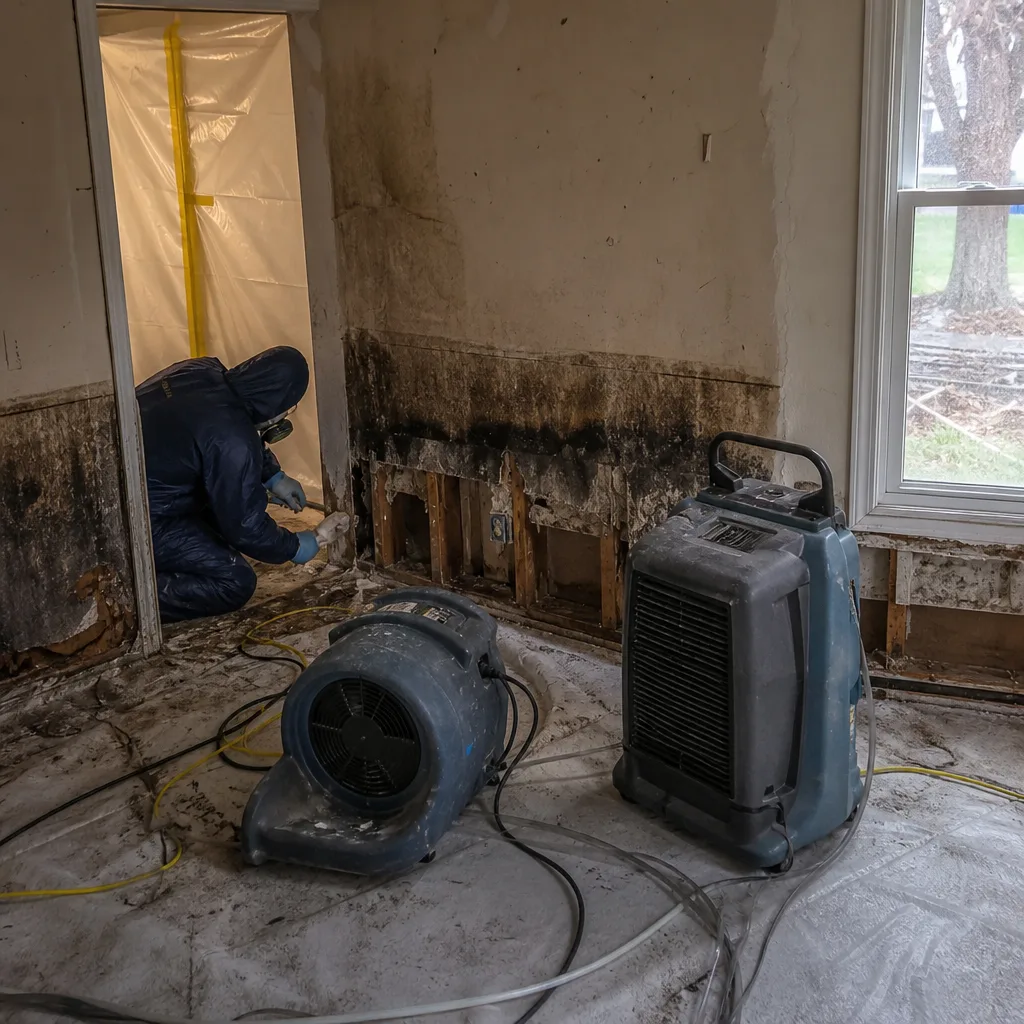 Before
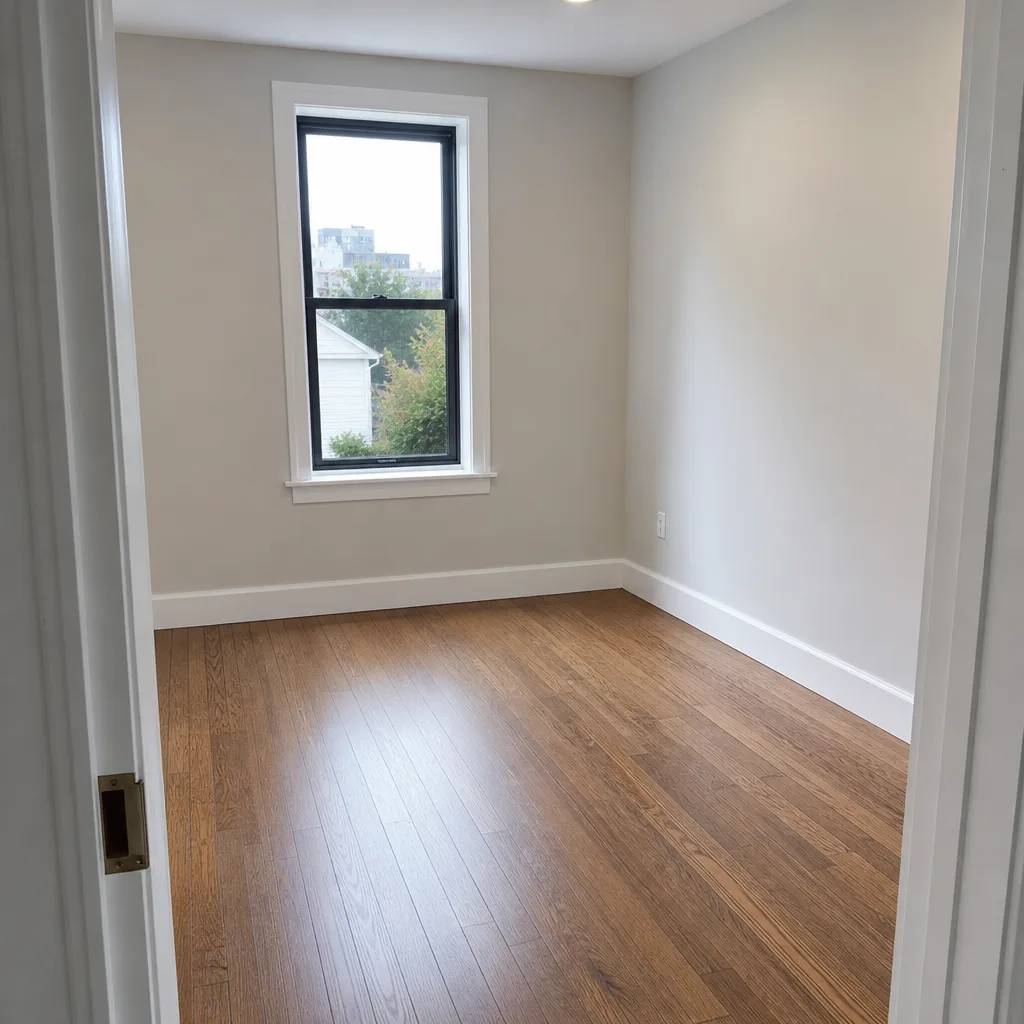 After
After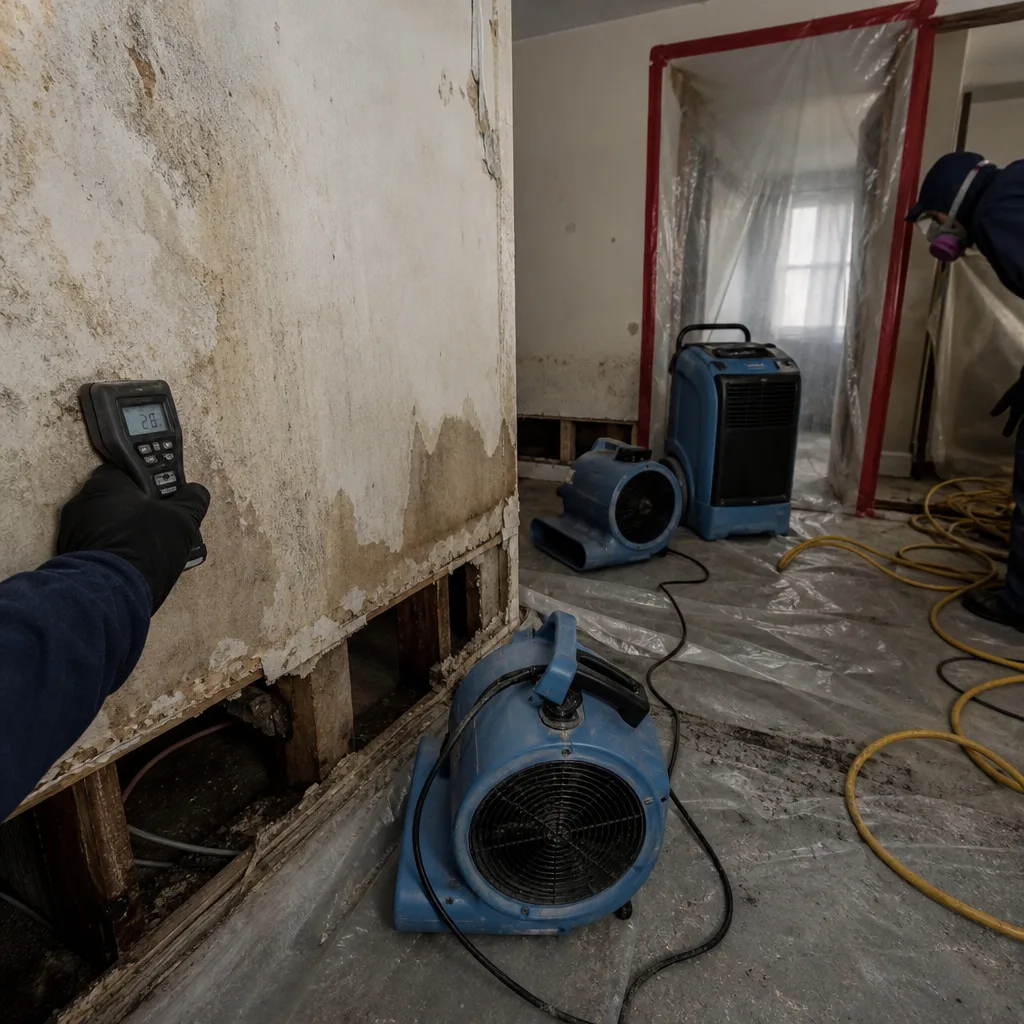 Before
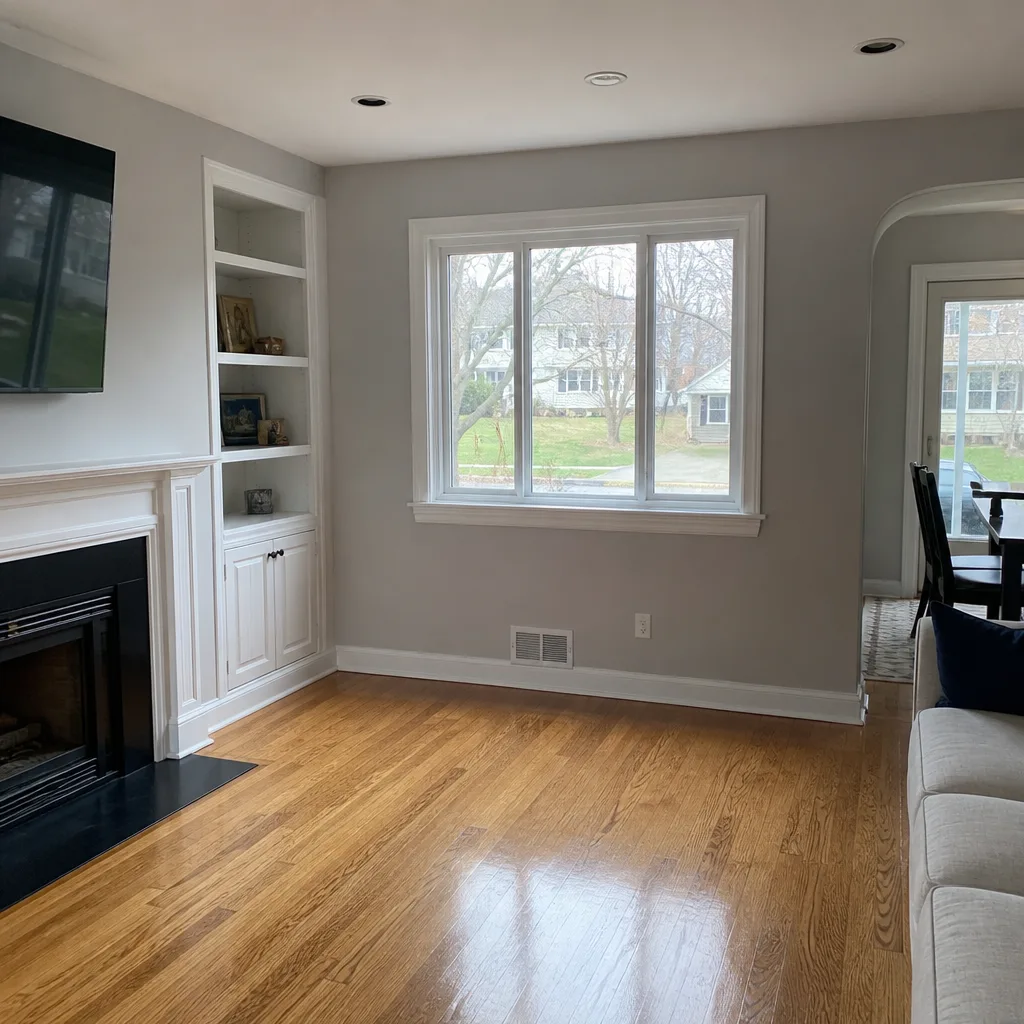 After
After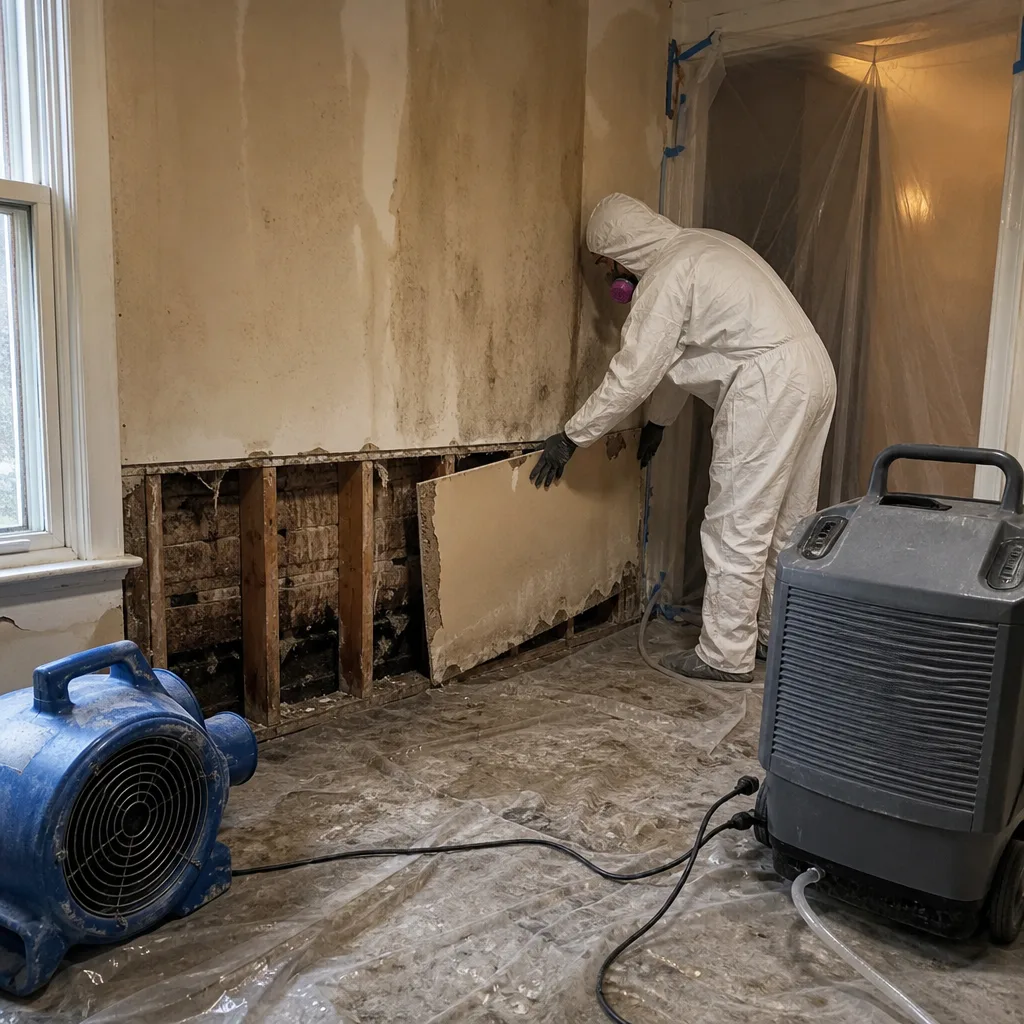 Before
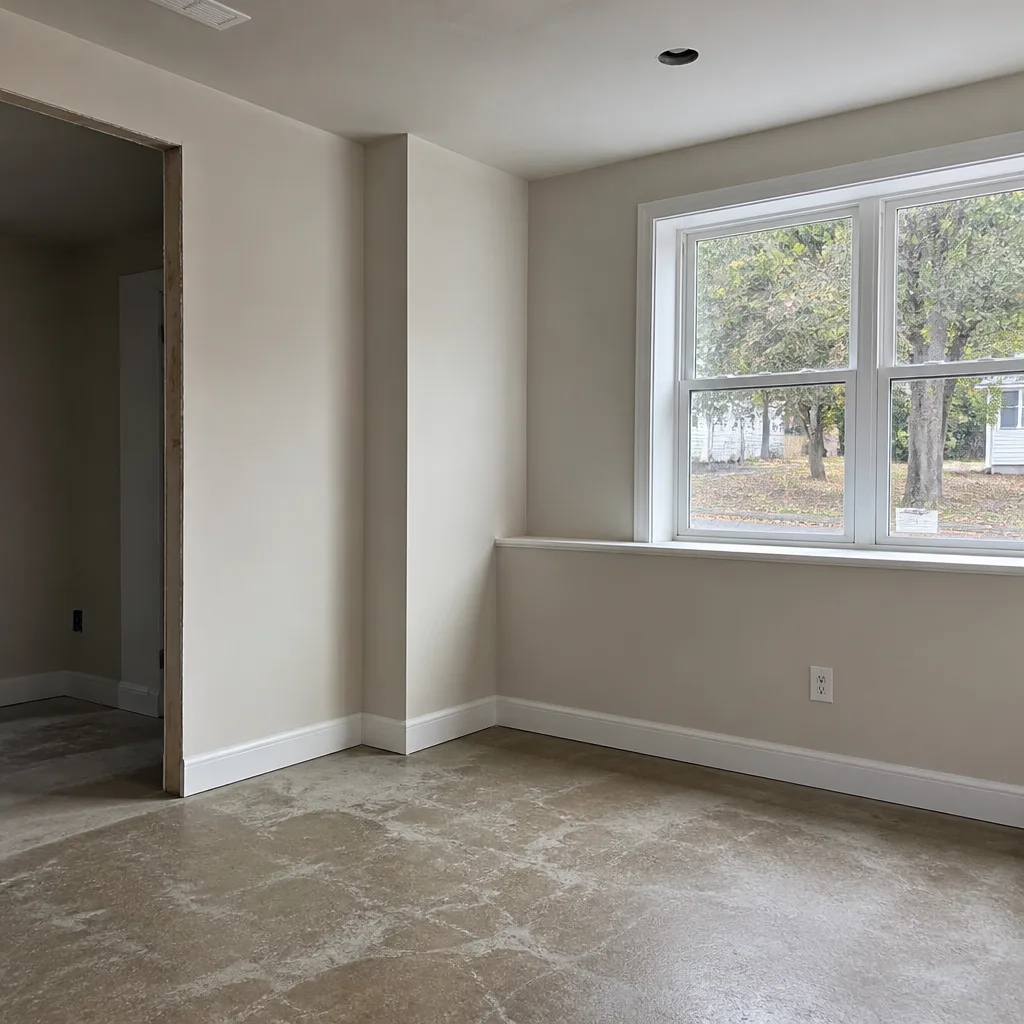 After
After