
Last updated October 16, 2026
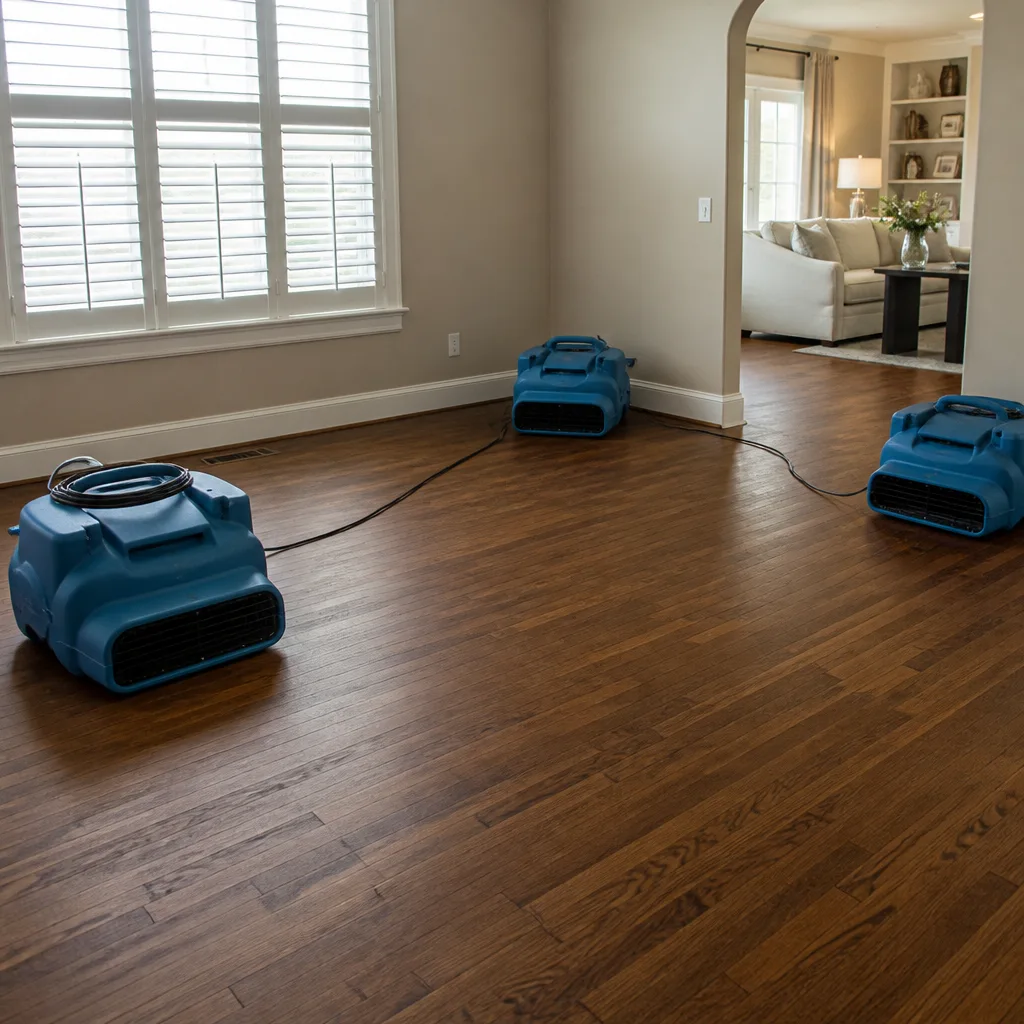 Water damage drying
 Fire & smoke cleanup
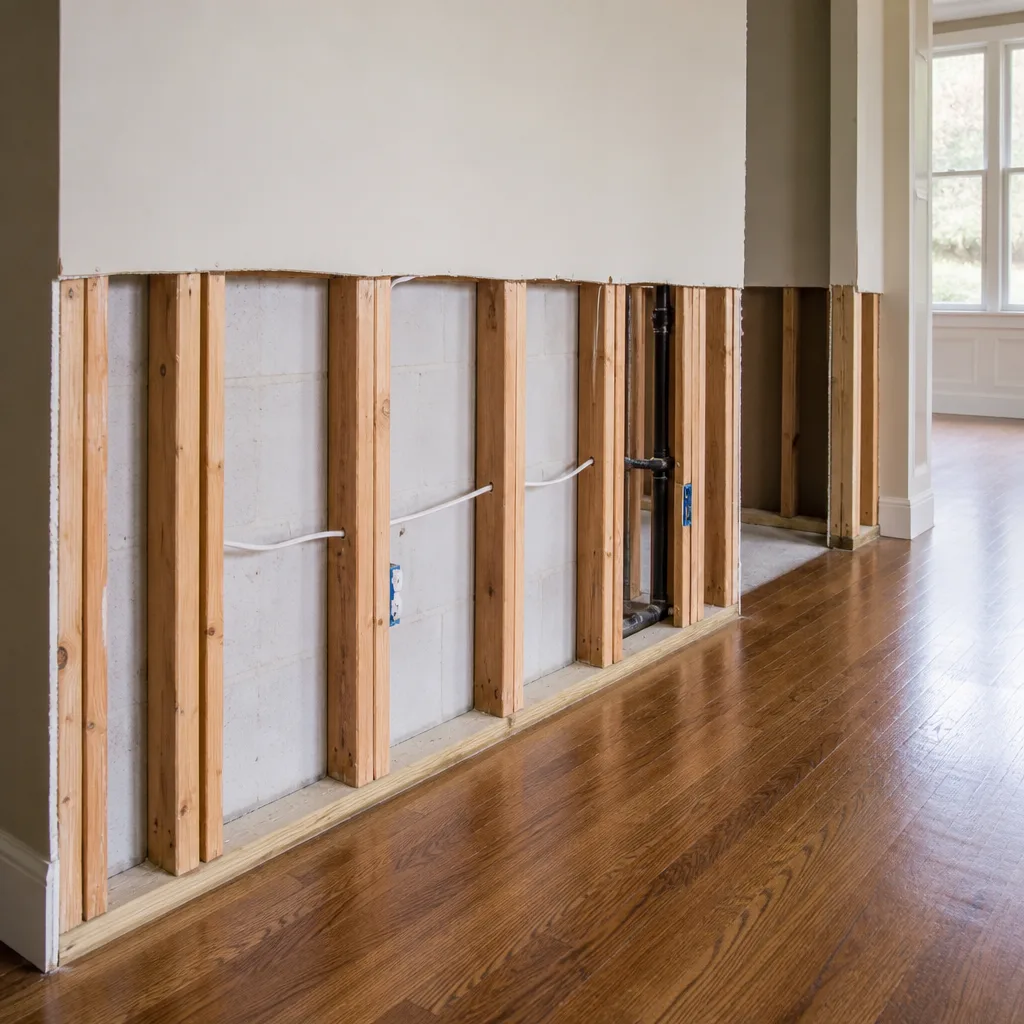 Mold remediation
 Storm response
 Sewage cleanup
 Reconstruction
Free visual inspection and a written scope of work before any mitigation begins - photos, moisture readings, and drying logs go in your claim file
The scope we write is the scope we bill. Anything new gets shown to you, in writing, before we touch it.
Get your free estimateHow to Hire a Damage Restoration Contractor in Yonkers: A Step-by-Step Guide
The contractor who shows up fastest after a flood is, in our experience, the least likely to hand you a written price before the fans go in. Speed is a sales tactic in this trade. It plays on panic. This guide-along with our complete guide to damage restoration in Yonkers-walks through the structured 20-minute interview process we wish every homeowner ran before signing anything, because the money you lose hiring a damage restoration contractor almost never comes from the initial water event. It comes from the scope creep, the surprise invoices, and the verbal promises that evaporate once the walls are open.
Quick Answer
To hire a damage restoration contractor in Yonkers, verify their IICRC certifications on the IICRC registry, confirm their NY Home Improvement Contractor license and Westchester County registration, require a written scope of work with line-item pricing before any equipment goes in, and reject any company that pushes an assignment of benefits clause during intake. A written price, live arrival tracking, and photo documentation are the three non-negotiable filters that separate accountable restoration firms from the rest.
Restoration work we handle
Table of Contents
- The Four IICRC Certifications and Which Ones Matter for Your Damage Type
- How to Verify Licenses and Registrations in 60 Seconds Before They Enter Your Home
- Why a Verbal Estimate Is Legally Unenforceable and What a Written Scope Must Contain
- The Assignment of Benefits Clause: What It Means and Why You Must Read It
- Live Tracking and Photo Updates as a Hiring Filter
- The Five-Question Script to Run in the First Phone Call
- What Restoration Pricing Should Look Like in Yonkers
- The Restoration Process Step by Step, From First Call to Final Walkthrough
The Four IICRC Certifications and Which Ones Matter for Your Damage Type
The Institute of Inspection, Cleaning and Restoration Certification is the governing body that sets the standards restoration companies are supposed to follow. When a company says they’re “certified,” that word means nothing by itself. You need to know which of the four core IICRC certifications applies to your situation and verify the technician actually holds it. This matters in Yonkers because the housing stock is a mix of prewar brick row houses, mid-century frame construction, and newer condo builds near the Hudson, and each responds differently to water intrusion.
Here are the four certifications and the damage types they cover:
- WRT (Water Restoration Technician): The baseline credential for any water extraction and structural drying work. Non-negotiable for burst pipes, roof leaks, appliance overflows, and any Category 1 or Category 2 water event. If a company cannot name a WRT-certified technician on staff, hang up.
- ASD (Applied Structural Drying): A step above WRT. This covers the science of drying out structures efficiently using psychrometric readings. ASD is essential when water has wicked into drywall beyond the visible waterline or soaked into hardwood subflooring. In Yonkers basements with stone or concrete foundations, water migrates upward through capillary action, and an ASD-trained tech knows how to map that hidden moisture.
- AMRT (Applied Microbial Remediation Technician): Required for any mold remediation job, and strongly recommended for sewage backups or any water loss that sat for more than 48 hours. AMRT covers proper containment, negative air pressure, and antimicrobial treatments. Given Yonkers’ humidity profile from late spring through early fall, microbial growth starts fast in enclosed wall cavities.
- FSRT (Fire and Smoke Restoration Technician): Applies to fire, smoke, and soot damage. FSRT covers odor removal, surface cleaning chemistry, and the order of operations after a fire. If you had a kitchen fire in a Southeast Yonkers apartment or smoke damage from a neighbor’s unit, this is the credential to ask for.
Verification takes about 60 seconds. Go to the IICRC registry at iicrc.org, click “Find a Pro,” and search by the company name or the technician’s full name. If the name doesn’t appear with the certification they claimed, they’re either lying or their certification lapsed. Both are disqualifying. This one check filters out a meaningful share of Yonkers restoration companies who trade on vague language like “certified technicians” without holding current credentials.
How to Verify Licenses and Registrations in 60 Seconds Before They Enter Your Home
New York requires home improvement contractors performing restoration work to hold a valid Home Improvement Contractor license through the NYC Department of Consumer Affairs if the work is in the five boroughs. But Yonkers sits in Westchester County, and licensing rules differ here. This is where many homeowners get confused, and where unscrupulous operators exploit the gray area.
Here’s what to check, in order, before you let anyone through your door:
- Westchester County Consumer Protection registration: Westchester County requires home improvement contractors to be licensed through the Department of Consumer Protection. Ask for the license number, then call (631) 646-2175 or search the county’s online license lookup. A company that hesitates to provide the number is telling you something.
- City of Yonkers business registration: Any contractor operating within Yonkers city limits needs a current business registration with the city. This is separate from the county license. Most legitimate restoration firms have this on file and can produce the document when asked.
- Insurance certificates: Request a Certificate of Insurance naming you as the certificate holder. The policy should include general liability coverage of at least $1,000,000 and workers’ compensation. Restoration work involves heavy equipment, wet floors, and electric tools in compromised buildings. If a worker gets injured on your property and the company lacks workers’ comp, your homeowner’s policy becomes the target.
- Physical address: A restoration company with no listed Westchester or Yonkers address is a red flag. Pop-up operators chase storms and vanish when disputes arise. You want a contractor with a real presence in the county, not a van with magnetic signs.
Run these checks before you even discuss pricing. A contractor who fails any of them will not suddenly become more accountable once work begins. At Wendell, every technician arrives background-checked and in uniform, and we provide documentation on request, because this is the baseline any legitimate Yonkers restoration company should meet.
Why a Verbal Estimate Is Legally Unenforceable and What a Written Scope Must Contain
A verbal estimate in New York is worth the air it’s spoken into. Under NY General Business Law and standard contract principles, oral agreements for home improvement work over $500 are difficult, bordering on impossible, to enforce in court. But the practical problem is simpler: when the final invoice arrives at twice the verbal number, you cannot prove what was promised. This is the single biggest money leak in the restoration trade, and it happens every week in Yonkers.
What a written scope of work must contain, at minimum:
- Line-item pricing for every task: Extraction, drying equipment rental per day, demolition, disposal, antimicrobial treatment, reconstruction. Each task gets its own dollar figure. “Time and materials,” by itself, is not a scope.
- The equipment list and drying duration: How many air movers, dehumidifiers, and injection drying panels will be deployed, for how many days, and at what daily rate. Professional-grade equipment from Dri-Eaz and Phoenix has published performance specs a competent contractor can reference.
- The completion criteria: What does “done” mean? The scope should state the target moisture content for structural materials, verified by psychrometric readings, before drying is declared complete.
- Change order protocol: What happens if demo reveals more damage than visible? The scope should specify that any additional work requires a signed change order with new pricing before additional work proceeds.
- The guarantee, in writing: This is where many companies go vague. A real guarantee names a specific duration and a specific remedy. At Wendell, every job includes the 365-Day Done Right Promise in writing: if the repair isn’t done right, we make it right, for a full year. If your contractor won’t put a guarantee clause in the scope, negotiate or walk.
In our experience, the companies that resist written scopes are the same companies that advertise heavily and bill aggressively. The Wendell Restoration Yonkers home philosophy is built on written pricing before any work starts, and it’s the norm among reputable restoration firms in Westchester. Require it without exception.
The Assignment of Benefits Clause: What It Means and Why You Must Read It
Buried in the intake paperwork of some restoration companies is a short paragraph called an Assignment of Benefits, or AOB. Read it carefully, because signing it changes everything about your insurance claim. An AOB transfers your rights to the restoration company, meaning the company bills your insurer directly and collects the payout, and you lose the ability to dispute the charges or the scope.
Here’s how it plays out in practice. You have a water loss. A restoration company shows up, hands you a clipboard with five pages of paperwork, and in the middle is an AOB. You sign. The company now interfaces with your insurance carrier directly, bills for every fan, every read, every hour of labor at their own rates, and you are legally out of the loop. If the bill is inflated, the insurer may pay less than the company claims, and the company can then come after you for the difference. You have surrendered your standing.
The alternative is the direct-billing model, where the contractor documents the loss with photos and moisture maps, provides you a written scope, and coordinates with your adjuster while you remain the policyholder with full visibility. This is what we recommend and what we practice. A transparent restoration company wants your insurer involved, but never wants to step between you and your claim. If a company insists on an AOB before starting emergency mitigation, that is a dealbreaker. No legitimate restoration firm with fair pricing needs to own your claim.
Live Tracking and Photo Updates as a Hiring Filter
Ask a contractor how they hold themselves accountable while work is happening, and you’ll learn more than any review site will tell you. The companies with the worst billing practices rely on one thing: you not knowing what’s happening behind the plastic sheeting. A company that offers live arrival tracking and before-and-after photo updates by text has built accountability into its operating system, not its marketing copy.
Here’s what to listen for when you ask this question:
- “We’ll send someone between 9 and 3.” This is a vague arrival window, and it means you wait around while damage spreads. The restoration industry standard is improving, but many companies still operate on four-hour windows. Alternatively, at Wendell, live arrival times are provided, the way you’d track a rideshare.
- “You’ll see the results when we’re done.” No photo updates means you cannot verify drying progress, equipment placement, or demo boundaries until the job is finished and the wall is already closed. That’s too late to catch errors.
- “Our techs know what they’re doing.” Expertise is not accountability. The question is whether the company documents its work in a way you can review. Before-and-after photos by text are the minimum standard for a transparent restoration job, and they serve as evidence for your insurance claim.
This is not a nice-to-have. It’s a hiring filter with real predictive power. Companies that have invested in dispatch technology, live arrival tracking, and photo documentation protocols have also standardized their pricing, their scopes, and their training. The two tend to travel together. In Yonkers, where many homes are older and buildings are tightly packed, you want to know exactly who is entering your home, when they’ll arrive, and what they did inside it.
The Five-Question Script to Run in the First Phone Call
You’re standing in a wet basement. The water is still rising or the ceiling is still dripping. You have about ten minutes of composure before you call someone, and that call will determine whether you pay a fair price or a panic price. This five-question script is designed to be fast, and to separate the transparent operators from the billers-by-surprise. Ask these in order.
- “Can you send me a written scope of work with line-item pricing before any equipment goes in?” The answer should be an unqualified yes. If there’s hesitation, qualifying language, or “we’ll figure out pricing as we go,” end the call.
- “Which IICRC certifications do your technicians hold, and can I verify them on the registry?” They should be able to name the certification and the tech’s name without pausing. If they say “we’re certified” without specifics, treat that as a no.
- “Do you provide live arrival tracking and photo updates throughout the job?” The answer tells you whether their dispatch system is modern or whether you’ll be waiting on a voicemail. This is the accountability question.
- “Will I sign an assignment of benefits as part of your intake paperwork?” If the answer is yes, ask why. The truthful answer from a fair company is that they don’t use AOBs, period.
- “What guarantee do you provide in writing, and for how long?” A guarantee without a duration is a slogan. A real guarantee states a term. Ours is 365 days. If theirs is “we stand behind our work,” get it in writing or move on.
This script takes about three minutes on the phone. Run it with two or three companies, and the differences will be obvious quickly. The goal here isn’t to find the cheapest contractor in Yonkers. It’s to find the one whose answers match the price on the invoice that comes two weeks later.
What Restoration Pricing Should Look Like in Yonkers
You should know the ballpark before you ever tap “call.” Restoration pricing in Yonkers tracks the county market, and it varies by damage category, square footage, and structural materials; our Water Damage Restoration Maintenance Checklist for Yonkers Homeowners breaks down how to spot trouble before it escalates. Here are the ranges we see across the city, from Park Hill to Dunwoodie to the downtown corridor, adjusted for the local housing mix.
- Water extraction only (no structural drying): $800 to $2,500, depending on square footage and water depth. This covers pump-out, extraction, and initial sanitation.
- Full structural drying with equipment: $2,500 to $6,000. This includes air movers and dehumidifiers from manufacturers like Dri-Eaz and Phoenix, deployed for 3 to 7 days with daily monitoring.
- Category 3 water (sewage or floodwater) cleanup: $4,500 to $12,000. This requires containment, removal of contaminated materials, antimicrobial treatment, and disposal under stricter protocols.
- Mold remediation (contained area, up to 100 square feet): $2,000 to $6,000. Larger infestations or multiple rooms run higher, and AMRT-certified techs cost more for good reason.
- Full water damage repair and rebuild: $8,000 to $40,000 plus. This is reconstruction territory: drywall, flooring, cabinetry, trim, and paint. This work is scoped, priced in writing, and scheduled like a remodel.
These are ranges, not quotes. But they should give you a reference point. If a contractor quotes half the low end, they’re underbidding to get in the door, and the change orders will come. If they quote double the high end without an explanation tied to your specific structure, ask for the line items. A written price before work starts means these numbers are on paper, as a Water Damage Restoration in Yonkers professional would produce, and the number on the screen is the number you pay.
The Restoration Process Step by Step, From First Call to Final Walkthrough
Understanding the sequence of a proper restoration job helps you spot shortcuts. Here’s what a textbook water damage restoration follows, based on IICRC standards and our experience across hundreds of Yonkers jobs, from Water Damage Repair in Yonkers projects after burst pipes to full Mold Remediation in Yonkers containment jobs in older homes.
- Emergency contact and triage: A live person answers, asks about the water source, damage extent, and safety concerns, and schedules a technician with a live arrival time.
- Assessment and documentation: The tech arrives in uniform, inspects the damage, takes moisture readings, and photographs everything. These photos become part of your insurance documentation.
- Written scope and approval: Before any equipment goes in, you receive a written scope with line-item pricing and a signature line. This is where the price gets locked.
- Water extraction: Pumps and extraction units remove standing water. This is the fastest way to stop ongoing damage.
- Structural drying: Air movers and dehumidifiers from manufacturers like Dri-Eaz and Phoenix are placed for the optimal airflow pattern. Psychrometric readings track moisture levels daily until the structure reaches the target moisture content.
- Antimicrobial treatment and demo: Unsavable materials are removed under containment, and antimicrobial treatments are applied where needed. This is where AMRT protocols matter.
- Reconstruction: Drywall, flooring, and finishes are restored. This phase is scoped and priced separately from mitigation.
- Final walkthrough and documentation: Before-and-after photos are delivered, invoices are texted with a payment link, and the guarantee is confirmed in writing.
This is the process we follow, and it aligns with RIA and IFA standards. If a contractor skips the written scope step or the documentation step, everything downstream becomes harder to verify. The process is not a formality; it’s the mechanism that protects your money.
Common Mistakes to Avoid
- Hiring the first company that returns your call. Panic creates urgency, and urgency creates bad contracts. Run the five-question script first, even if the water is still rising. Ten minutes of questions will save you thousands.
- Accepting a verbal estimate as binding. In Yonkers, as throughout New York, a verbal estimate carries almost no weight in a dispute. If it’s not on paper with line items, it didn’t happen.
- Signing an assignment of benefits without reading it. This single signature can strip you of standing in your own insurance claim. Read the full document or refuse to sign.
- Skipping the license and registration check. Westchester County has a licensing system for a reason. Unlicensed operators undercut on price and vanish on warranty claims.
- Choosing based on the highest advertised response speed. The fast-response companies often bank on you making a decision before you can compare. Speed to arrival is not the same as speed to a written scope.
- Accepting “we’ll dry it out” without a moisture-read protocol. Surface-dry is not dry. Without psychrometric readings and a defined target moisture content, you’re trusting a guess.
- Ignoring the guarantee clause. A year-long written guarantee is standard for reputable firms. If a contractor won’t name a duration, you’re the warranty.
See the difference
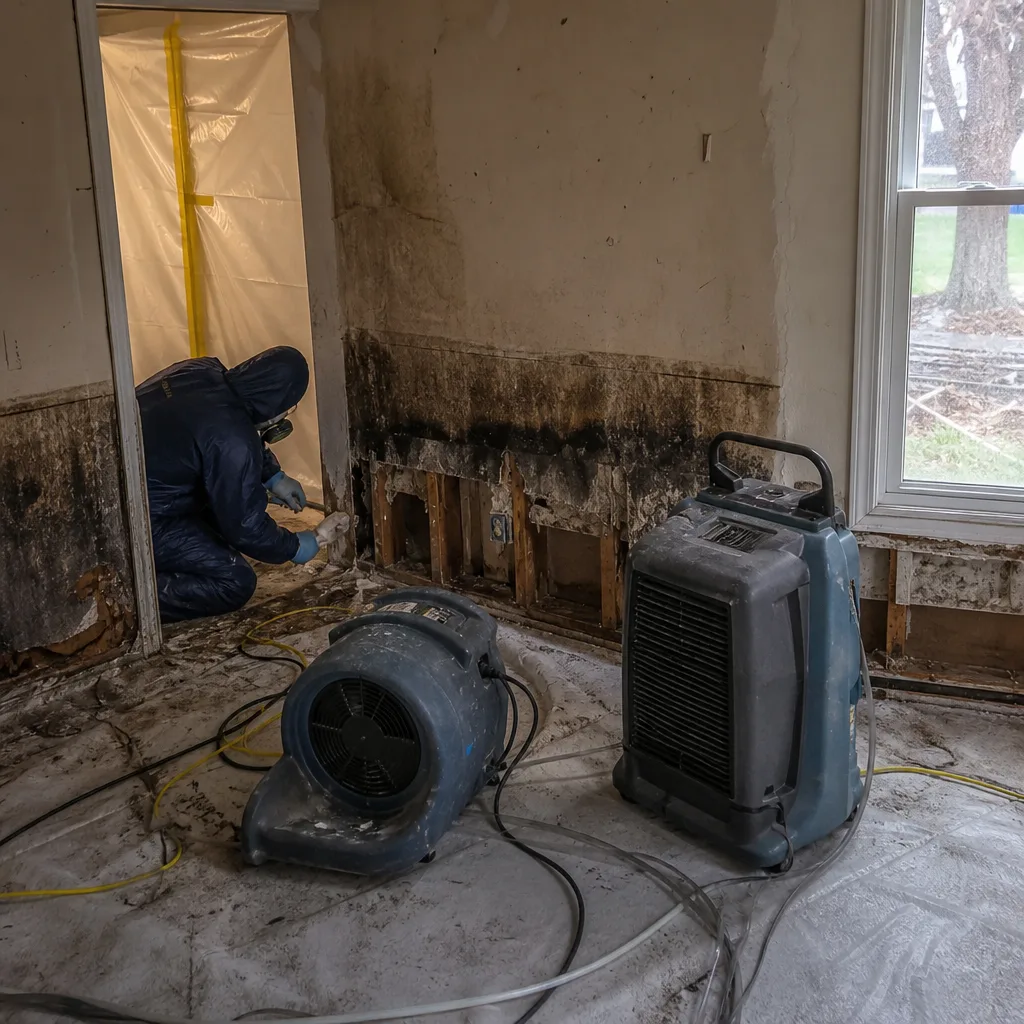 Before
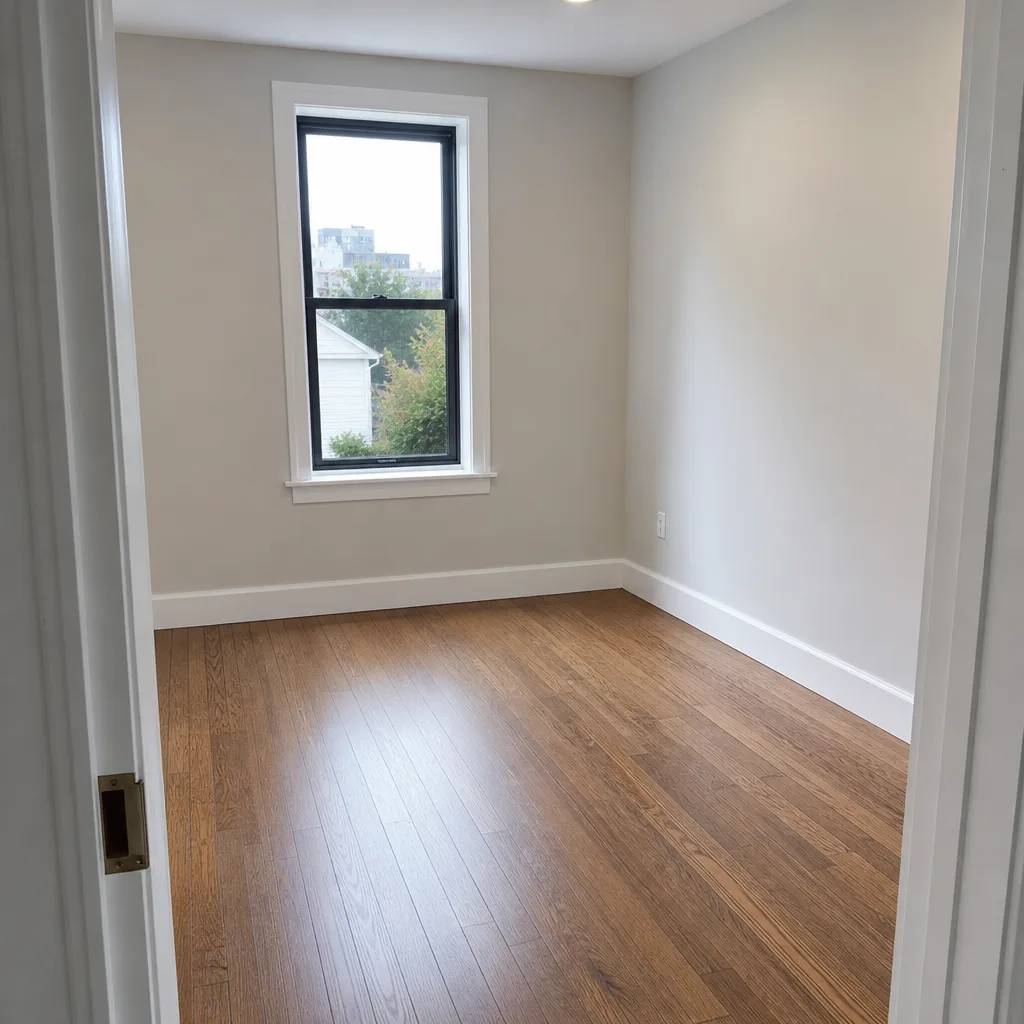 After
After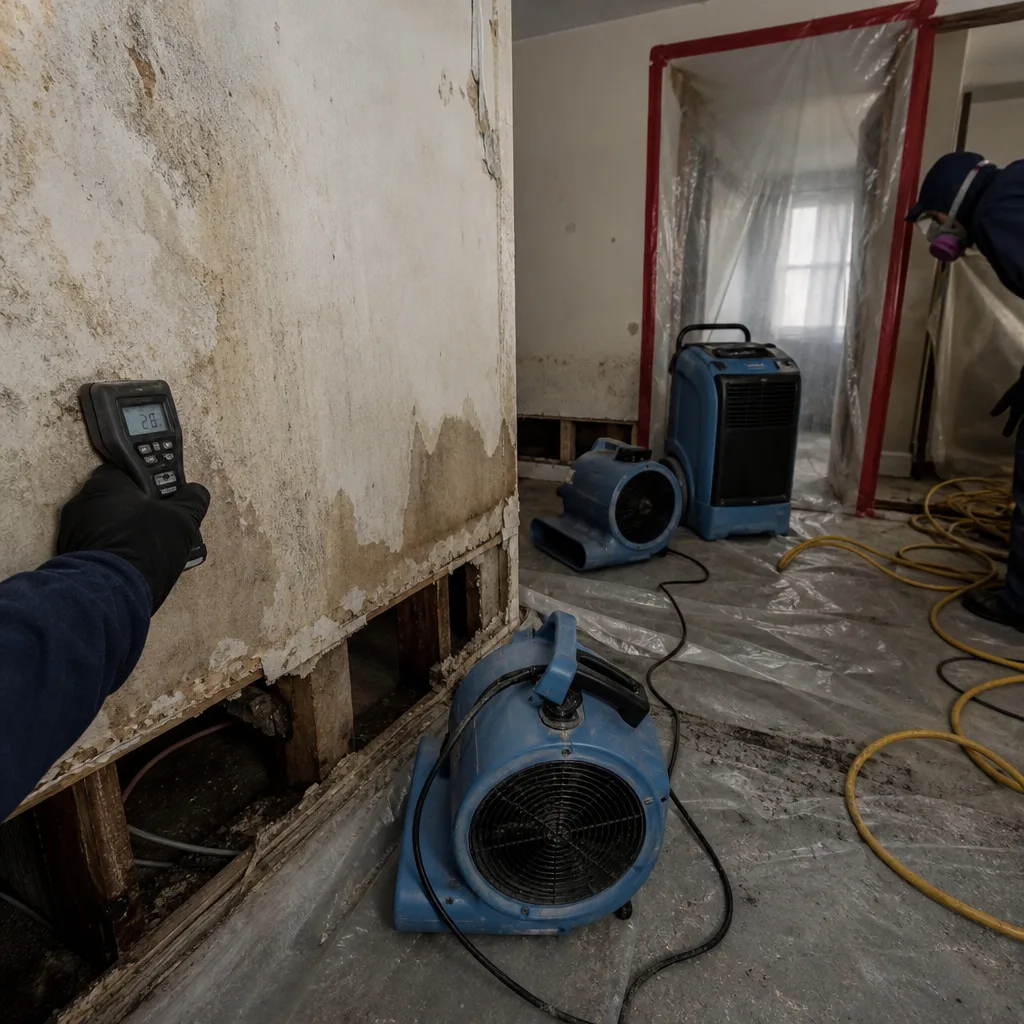 Before
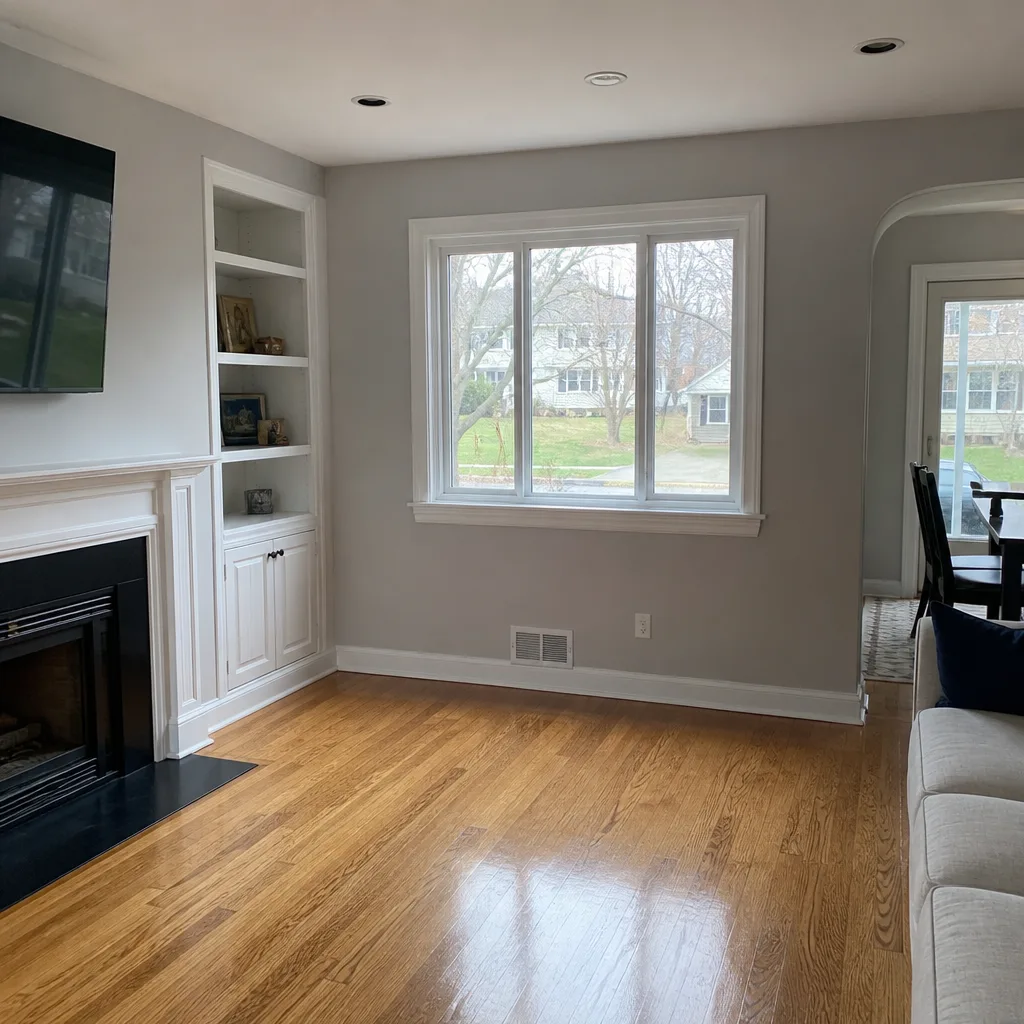 After
After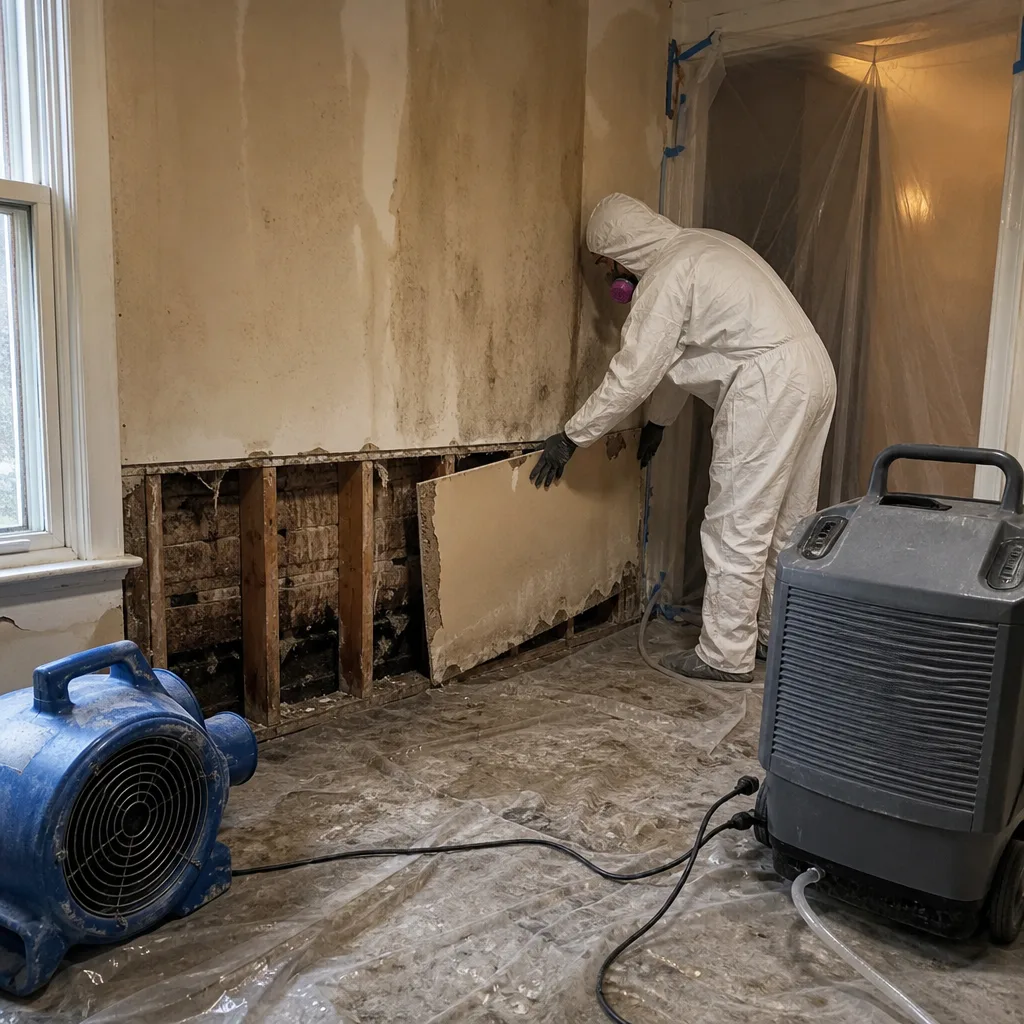 Before
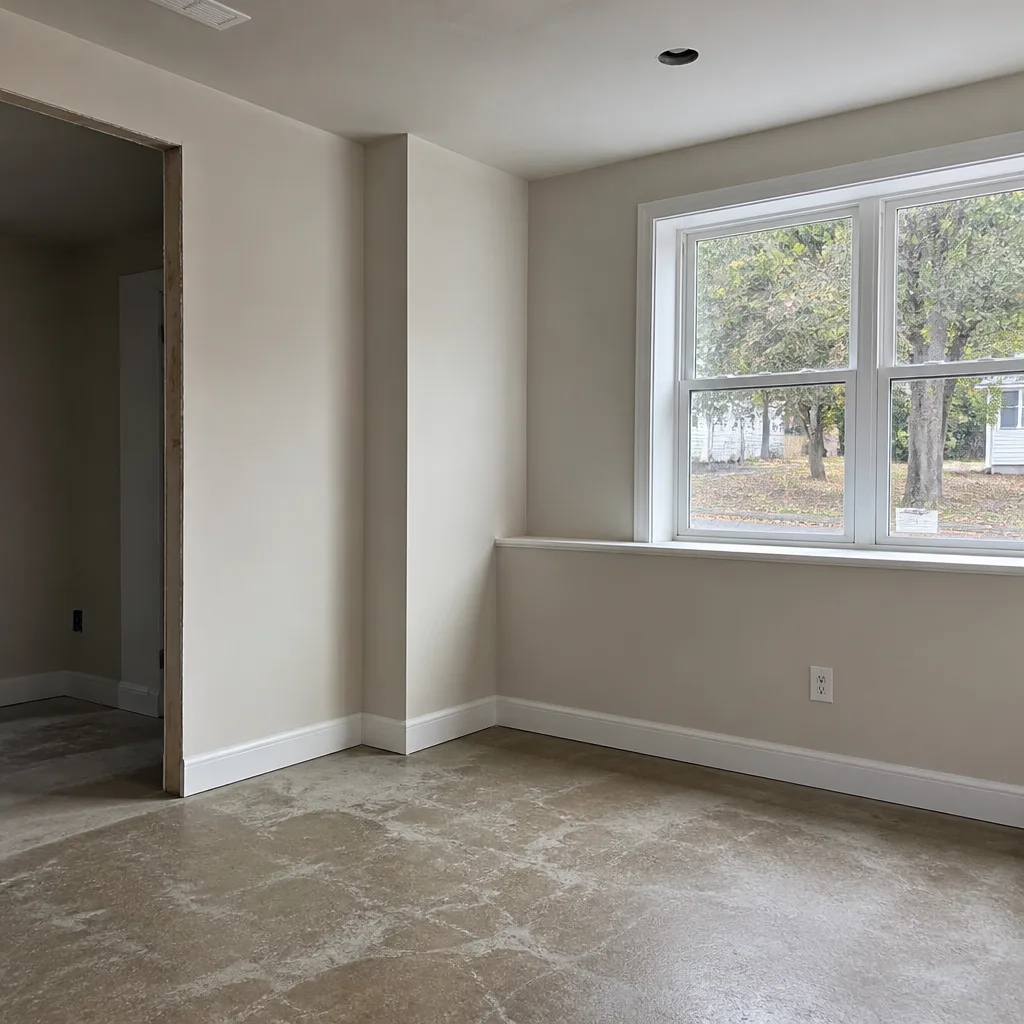 After
AfterWhen to Call a Professional
You should call a restoration professional immediately when water has penetrated beyond surface materials, when the water source is contaminated, when structural materials like drywall or subflooring are saturated, or when you see visible mold growth of more than ten square feet. Electrical wiring, gas lines, and structural framing demand professional evaluation before any DIY attempt. For a free estimate, Wendell Restoration Yonkers offers free estimates across the city. Call (631) 646-2175 any time, because water damage doesn’t keep business hours and neither do we.
Frequently Asked Questions
Ask for the technician’s full name and certifications, then verify them on the IICRC registry at iicrc.org. If the name and certification don’t appear, do not proceed.
No. Verbal estimates for home improvement work over $500 are practically unenforceable in NY contractor disputes. Insist on a written scope of work with line-item pricing before any equipment is deployed.
An assignment of benefits transfers your insurance claim rights to the restoration company, removing you from the billing and negotiation process. Do not sign one. Reputable restoration firms bill your insurer directly while keeping you as the policyholder in control.
Many companies promise rapid response, but the better question is whether they’ll provide a live arrival time you can track and a written price before work begins. We answer every call live, 24/7, and provide tracked arrival times. Call (631) 646-2175 for immediate dispatch.
If water sat for more than 48 hours, wicked into walls or flooring, or came from a contaminated source, cleanup alone leaves hidden moisture that leads to mold. A professional with a moisture meter can tell you the difference in minutes, with photo documentation for your insurer.
It depends on the source of the water. Sudden and accidental events like burst pipes and appliance failures are typically covered. Gradual leaks and flood damage often require separate coverage. Photo documentation and direct adjuster coordination from the restoration contractor make the claims process faster and more accurate.
The Bottom Line
Hiring a damage restoration contractor in Yonkers is a structured interview, not a gut-feel decision made in a wet basement-something we cover in depth in our Seasonal Damage Restoration Care for Yonkers: Year-Round Homeowner’s Guide. Verify certifications on the IICRC registry, check the Westchester County license, require a written scope with line-item pricing, refuse any assignment of benefits clause, and filter for live tracking and photo updates. If a contractor won’t put their price in writing or their guarantee on paper, that’s your answer. The damage itself is already done. The hiring decision is where you still have control. Use it.
Written by Blake Sorensen, Owner at Wendell Restoration Yonkers, serving Yonkers since 2006. For more guides & resources, visit our blog.