
Last updated October 16, 2026
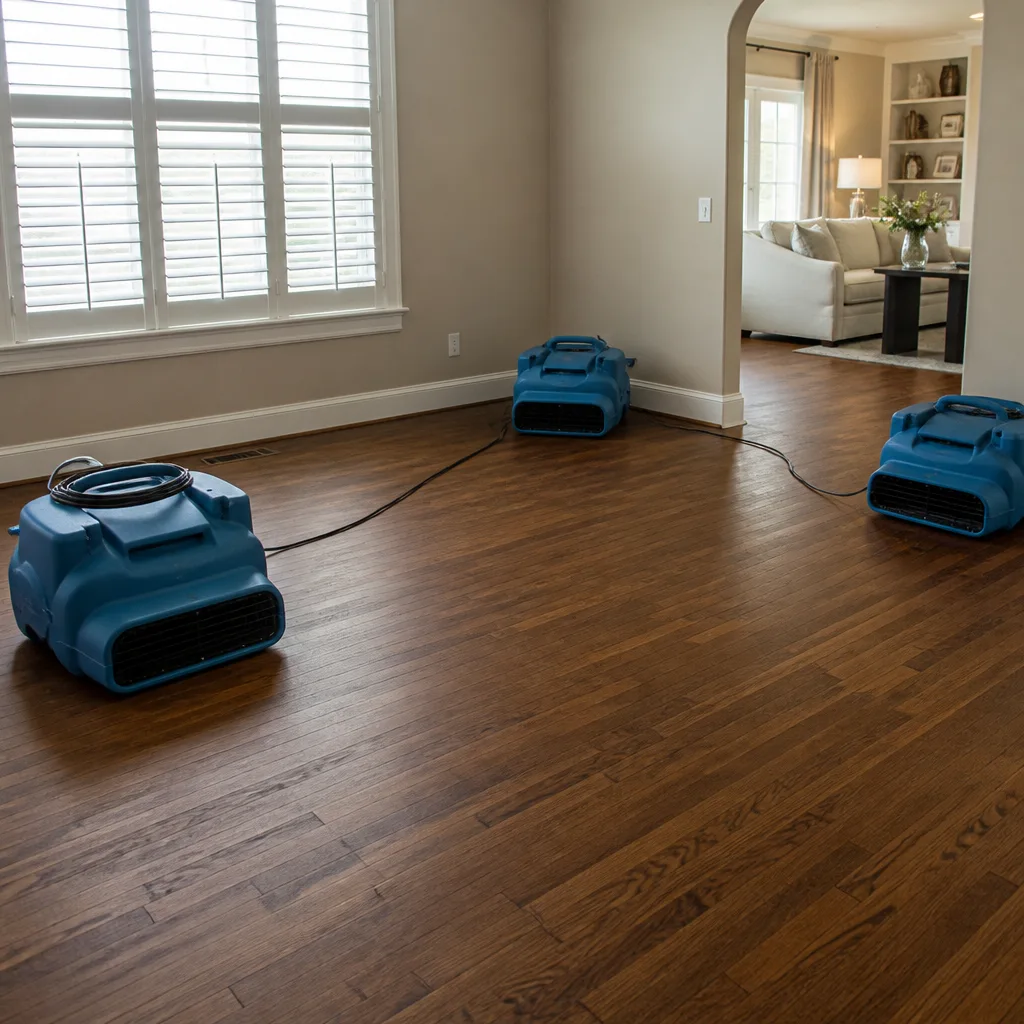 Water damage drying
 Fire & smoke cleanup
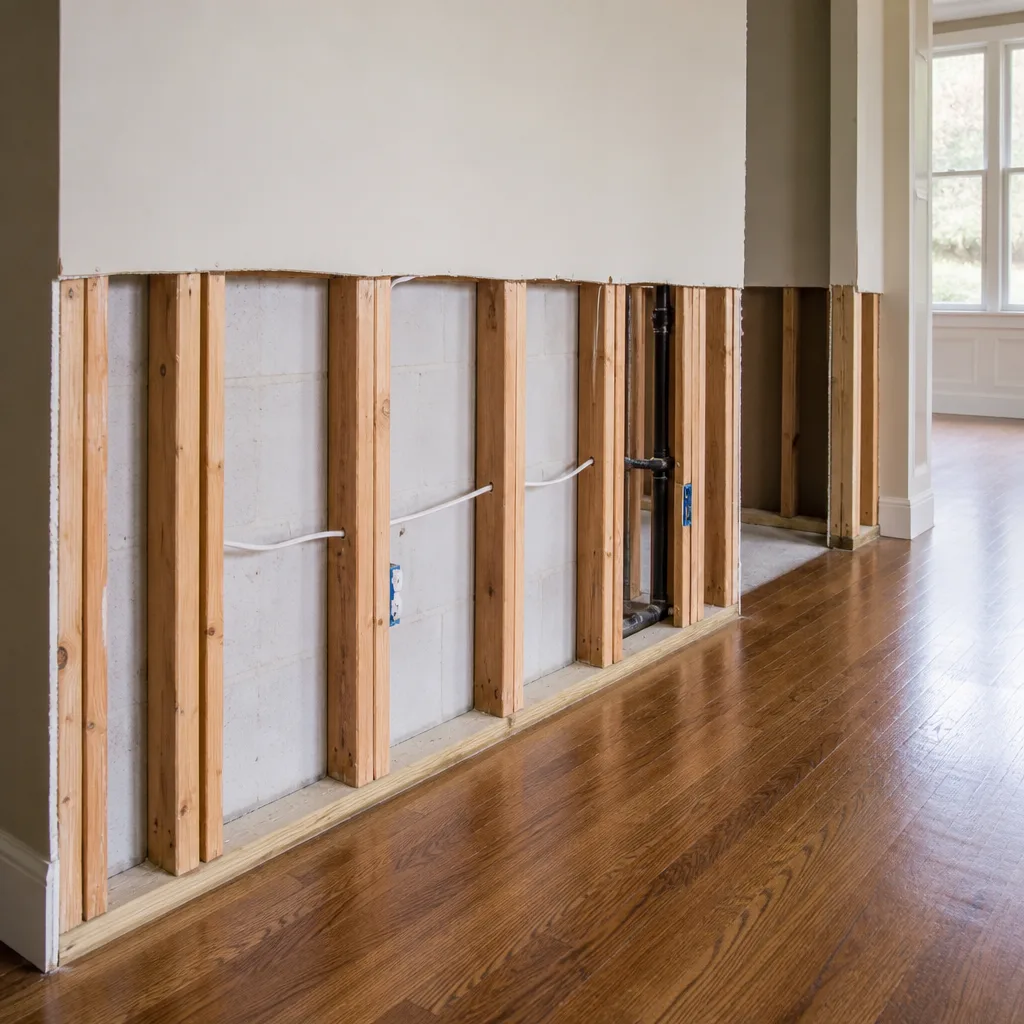 Mold remediation
 Storm response
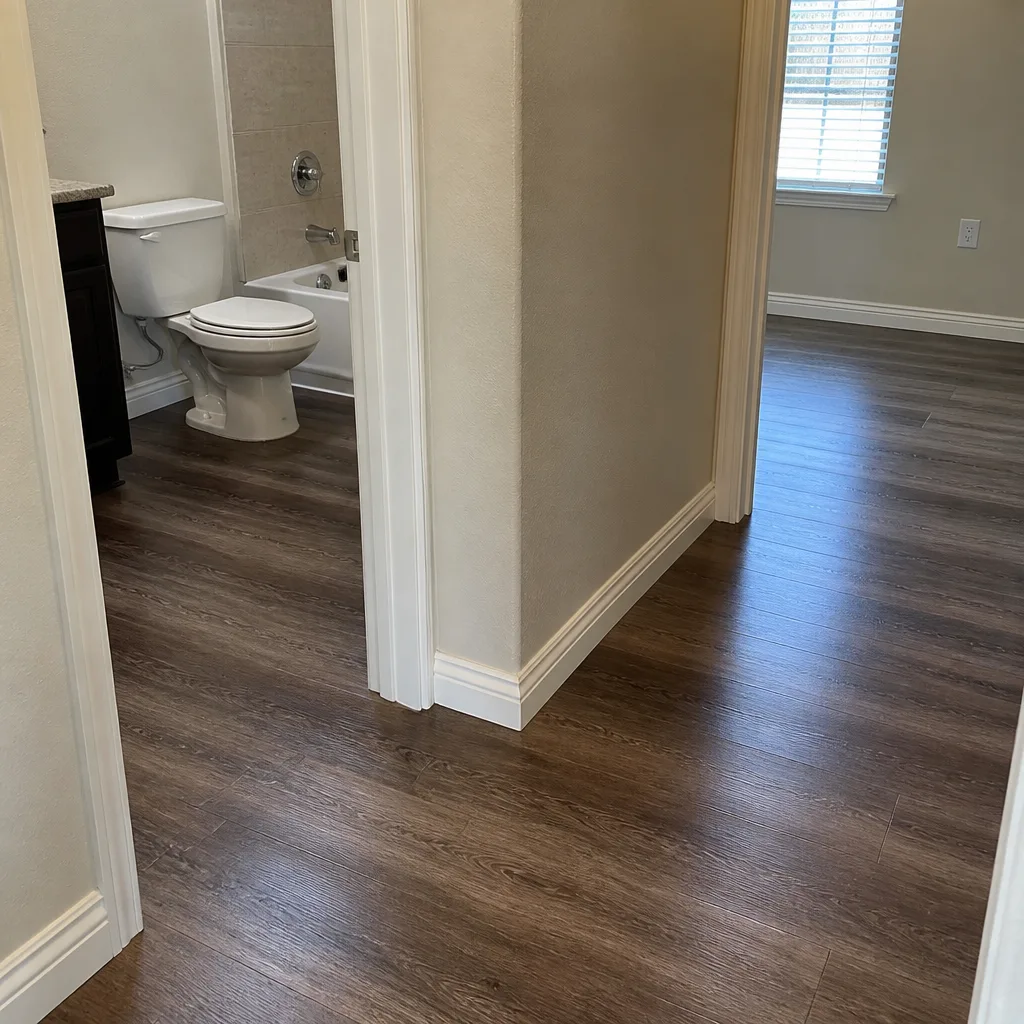 Sewage cleanup
 Reconstruction
Free visual inspection and a written scope of work before any mitigation begins - photos, moisture readings, and drying logs go in your claim file
The scope we write is the scope we bill. Anything new gets shown to you, in writing, before we touch it.
Get your free estimateDIY vs Professional Damage Restoration: The Yonkers Homeowner’s Decision Guide
Renting a shop vac and a box fan after a basement flood is the single most common action that turns a $1,800 insurance claim into a $9,000 mold remediation. We’ve pulled soaked drywall out of finished basements in Northwest Yonkers where the homeowner “dried everything” for three days and created a perfect mold farm behind the baseboards. This guide gives you a clear decision framework based on water category, square footage, and material type, not just your comfort level with a utility knife. For more guides & resources, see our blog. By the time you finish reading, you’ll know exactly which jobs you can handle this weekend and which ones need a pro before the mold clock starts.
Quick Answer
DIY water damage cleanup in Yonkers is safe and sensible only when the water is clean (Category 1), the affected area is under 10 square feet, and only non-porous surfaces like tile or sealed concrete got wet. Anything involving gray water, sewage, porous materials like drywall or carpet, or an area bigger than a small bathroom needs professional equipment and documentation. If you’re unsure which category your water is, treat it as contaminated and call a pro.
Restoration work we handle
Table of Contents
- The Three Water Categories: What’s Actually Safe to Touch
- Why Box Fans Make It Worse: The Physics of Real Drying
- The DIY-Safe Scenario: Exactly What You Can Handle Yourself
- How DIY Affects Your Insurance Claim in Westchester County
- The Paper Trail: What Professionals Produce That You Can’t
- Real Cost Comparison: DIY vs Professional in Yonkers
- The Mold Timeline: What Happens While You Decide
- Material-by-Material: What’s Savable and What’s Not
The Three Water Categories: What’s Actually Safe to Touch
Every water damage event falls into one of three categories defined by the IICRC (the Institute of Inspection, Cleaning and Restoration Certification, the group that writes the standards for this industry). The category matters more than the amount of water. A small puddle of sewage is more dangerous than a flooded room of clean water.
Category 1: Clean Water. This comes from a broken supply line, a leaking faucet, a burst pipe carrying potable water, or rainwater that hasn’t touched anything gross. This is the only category where DIY cleanup is worth considering. If you caught it within 24 hours and the area is small, you may be able to handle it yourself. The catch: clean water degrades. A Category 1 leak that sits for 48 hours soaks through drywall, picks up bacteria from the wall cavity, and becomes Category 2.
Category 2: Gray Water. This is water with some contamination: dishwasher overflow, washing machine discharge, toilet overflow with no solid waste, aquarium leaks, or water that’s been standing long enough to grow bacteria. It can make you sick on contact. NY state regulations treat gray water as a health hazard, not a housekeeping issue. You can’t safely handle this with household gloves and a mop. The water carries bacteria that aerosolize when you run fans, which means your “drying” efforts literally spray contaminants into the air your family breathes.
Category 3: Black Water. Sewage backups, toilet overflows with waste, river or creek flooding, and standing water that’s been contaminated for days. This water contains pathogens that cause serious illness: E. coli, hepatitis, parasites, and worse. Category 3 requires full PPE, containment barriers, disposal of porous materials, and antimicrobial treatment. No homeowner should touch this. Not with gloves. Not with boots. Not with bleach. The health risks aren’t worth whatever you’d save.
Here’s the thing most Yonkers homeowners don’t realize: category is determined by the source and time of the water, not how it looks. A washing machine overflow that looks “mostly clean” is gray water. A pipe leak you didn’t notice for two days is no longer Category 1, regardless of how clear the water appears. When we respond to a basement flood in the Crestwood neighborhood, the first thing we check isn’t just where the water came from, but how long it’s been sitting. That timer is the single biggest factor in whether a cleanup is DIY-friendly or a remediation project.
Why Box Fans Make It Worse: The Physics of Real Drying
You’re standing in a wet basement with a box fan and a dehumidifier from Home Depot, thinking “I’ll just dry it out.” That makes sense on the surface. But here’s the invisible problem: water doesn’t just sit on surfaces. It migrates through capillary action into drywall, wicks up along wooden studs, seeps under baseboards, and saturates the subfloor. The water you can see is maybe 20% of the water you need to remove.
Consumer fans move air across surfaces. That evaporates the visible water, which sounds good, but evaporation just turns liquid water into water vapor that stays in the room. Without controlled humidity reduction and proper airflow directed into the right places, that vapor condenses in cooler spots: inside walls, behind baseboards, under floor coverings. You’ve moved the water from the floor into the walls. That’s the exact scenario that creates hidden mold colonies in finished basements across Yonkers, and the homeowner doesn’t discover it until the musty smell arrives weeks later.
Professional restoration uses what’s called psychrometric drying: tracking the air’s moisture level so we know when your home is truly dry, not just surface-dry. Technicians measure relative humidity, temperature, and moisture content of materials throughout the process. They create a drying chamber with professional-grade equipment from manufacturers like Dri-Eaz and Phoenix: high-velocity air movers that force air into wall cavities, low-grain refrigerant dehumidifiers that pull far more water out of the air than a consumer unit, and Injectidry systems that push air directly into enclosed spaces like under cabinets or behind walls.
The numbers matter here. A good consumer dehumidifier extracts maybe 20 to 30 pints of water per day under ideal conditions. The professional unit we’d place in a typical flooded Yonkers basement extracts 100 to 140 pints per day, and it does it while continuously monitoring the actual moisture content of the materials. That’s not just a faster version of what you own; it’s a different approach entirely. We’re not guessing when the structure is dry. We’re measuring it with moisture meters that read deep into wood and drywall.
What about the “I’ll rent a fan from Home Depot” idea? Rental floor fans moved around a room by someone without training will dry the top layer and leave the structural layer wet. The most expensive version of DIY is the one that looks successful for two weeks.
The DIY-Safe Scenario: Exactly What You Can Handle Yourself
We know this guide is about trust, so here’s the honest version: there are water damage situations where calling a professional is overkill. If you catch a clean-water leak quickly and the affected area is small and non-porous, you can absolutely handle it yourself. Here’s the exact checklist-adapted from our Water Damage Restoration Maintenance Checklist for Yonkers Homeowners-we use when a Yonkers homeowner asks us whether they even need us to come out.
Your DIY checklist, step by step:
- Confirm the water is Category 1. It came from a clean supply line, a faucet, or a pipe carrying potable water. Not from a drain, not from an appliance, not from outside. If you’re not certain, stop and call someone.
- Measure the affected area. Under 10 square feet. That’s roughly a 3 by 3 patch of floor. If it’s bigger, you’re into professional territory.
- Identify the materials. Tile, sealed concrete, vinyl plank flooring with no water underneath, or painted drywall that got lightly splashed and dried within hours. If water touched carpet, carpet pad, unsealed wood, laminate, or drywall that got soaked through, those are porous materials that need professional drying or removal.
- Shut off the water source. Find the shutoff valve. If you don’t know where it is, find it today, before you need it. Every Yonkers home should have a labeled main shutoff.
- Extract the standing water. Wet vac, mop, towels, whatever works. Remove as much liquid water as physically possible.
- Dry the surface. Wipe down with microfiber towels. Run a fan pointed at the wet area. Run a dehumidifier with the room closed off.
- Sanitize the surface. A household disinfectant appropriate for the material. Follow the label’s contact time.
- Monitor for 72 hours. Check the area daily. If you smell anything musty, see staining, or the area feels damp to the touch after three days, call a professional immediately. The window for simple drying has closed.
That’s the full list of DIY-safe scenarios. If your situation matches all of these conditions, you’ll save money and the result will be fine. If it doesn’t match, the risk isn’t just cosmetic: it’s mold growth inside materials you can’t see, weakened structural elements, and an insurance claim that’s now harder to file because you waited.
How DIY Affects Your Insurance Claim in Westchester County
Here’s the part most “DIY vs professional” comparisons skip entirely: your insurance company has opinions about self-performed water damage restoration. And those opinions get expensive when they go against you.
Most Westchester County homeowners’ policies cover water damage from sudden, accidental events like a burst pipe or a water heater failure. But that coverage comes with a duty to mitigate: you’re required to take reasonable steps to prevent further damage. “Reasonable steps” is where DIY becomes risky.
What insurers typically require if you self-perform cleanup:
- Documentation of the source. Photos of the broken pipe, the failed appliance, the point of water entry. Timestamped photos are best.
- Documentation of the affected area before cleanup. Wide shots of the room, close-ups of soaked materials, photos that show the extent of the water.
- Receipts for any equipment you rented or purchased. If you claim you dried the area, they’ll want to know what you used.
- Evidence of drying. This is where most DIY claims fall apart. Insurers typically want proof that the area actually dried to an acceptable moisture level. A professional company provides moisture logs and psychrometric readings. A homeowner provides a guess.
When a DIY cleanup goes wrong and mold appears months later, insurers often deny the subsequent mold claim. Their reasoning: the homeowner failed to properly mitigate the initial damage, and the mold is a result of that failure, not the original event. We’ve worked with Yonkers homeowners who negotiated this exact scenario. The initial water damage claim was $1,800. The mold remediation afterward was denied and cost $9,000 out of pocket.
On the flip side, hiring a professional restoration company from the start creates a paper trail that makes denial much harder. The invoice documents the date of service. The moisture log shows the drying process. Before-and-after photos prove the work happened. If an adjuster questions the claim, you have a professional record that answers their questions. That’s not just convenience; it’s a financial shield.
One more thing: many Yonkers homeowners don’t realize that their insurance company will actually recommend professional mitigation. Adjusters prefer working with restoration companies because it reduces their risk of a secondary claim. When you file a water damage claim and mention you’re using a professional, the conversation is usually smoother than the “I did it myself” version.
Learn more about how we handle Water Damage Restoration in Yonkers from initial call through final invoice.
The Paper Trail: What Professionals Produce That You Can’t
We touched on this in the insurance section, but it deserves its own heading because the documentation matters beyond insurance. It matters at resale. And in Yonkers, where housing stock includes everything from century-old homes in Park Hill to newer construction on the east side, disclosure obligations are real.
New York state requires sellers to complete a property condition disclosure statement. One of the questions asks whether there has been any water damage or mold in the home. You can answer “no,” but if the buyer later discovers undisclosed water damage or mold, you can be sued. A professional restoration record doesn’t erase the disclosure requirement, but it does give you an honest, complete answer: “We had water damage in 2024. Here’s the full documentation from the restoration company showing the moisture readings, the drying plan, and the final clearance.”
That changes the conversation entirely. A buyer with a three-ring binder of restoration records sees a maintained home. A buyer who hears “we dried it ourselves” starts pricing foundation inspections and mold testing.
What a professional restoration company produces:
- Initial moisture readings: A map of affected materials with their moisture content at the start of the job. This establishes the scope of damage.
- Drying logs: Daily readings from each affected area, showing the progression from wet to dry. This proves the job worked.
- Psychrometric monitoring: Temperature, relative humidity, and specific humidity readings that demonstrate proper drying conditions were maintained.
- Equipment records: Which machines were placed, where, and for how long.
- Clearance testing (for mold): Post-remediation air samples that confirm the mold is gone. We use certified third-party labs for this, which is the only way clearance tests carry any weight.
- Photo documentation: Before, during, and after photos of every affected area.
DIY produces none of this. You’d have your receipts from the equipment rental and some phone photos. That’s not a defensible paper trail; it’s a denial waiting to happen. When you hire a company that works to IICRC standards, you’re not just buying labor and equipment. You’re buying a defensible record of what happened and how it was fixed. Here’s our Wendell Restoration Yonkers home page if you want to see how we think about this end to end.
Real Cost Comparison: DIY vs Professional in Yonkers
Everyone wants to know the price before they decide. Here’s what we actually see in the Yonkers market.
Typical DIY costs for a small, Category 1 water event:
- Wet/dry vacuum rental: $30 to $60 per day
- Box fan or air mover rental: $20 to $40 per day
- Household dehumidifier (if you own one): $0 to $250 purchase
- Cleaning supplies and disinfectants: $25 to $75
- Your time: one to two full days
Total DIY: roughly $100 to $400, assuming everything goes well and the drying actually works.
Typical professional costs for the same Yonkers basement flood:
- Emergency water extraction: $500 to $1,200
- Drying equipment placement and monitoring, 3 to 5 days: $800 to $2,500
- Antimicrobial treatment: $200 to $500
- Final moisture verification and documentation: included in the drying package
Total professional: roughly $1,500 to $4,200 for a standard single-room water event. Larger finished basements or anything involving Category 2 or 3 water will run higher.
The honest comparison isn’t just those two numbers. The real comparison is $400 now versus $4,000 now, with the downside risk of a $9,000 mold remediation if $400 fails. And mold remediation in Yonkers frequently costs more than the original water damage restoration would have. The IICRC estimates that about 20% of DIY water cleanup attempts result in hidden mold within six months. Those aren’t good odds when the failure cost is twenty times the DIY price.
One more cost factor: your time. A proper DIY cleanup takes a full weekend. Professional mitigation gets done while you’re at work, and you get a written record of completion. For Yonkers homeowners who’d rather spend their weekend at Untermyer Park or just not thinking about moisture meters, there’s a quality-of-life argument for hiring it out.
The Mold Timeline: What Happens While You Decide
Mold doesn’t wait for you to make a decision. Here’s the timeline every Yonkers homeowner should know, because it’s the invisible clock behind every DIY versus professional choice.
0 to 24 hours: Water is absorbed into porous materials. Drywall starts wicking water upward from the base. Carpet pad saturates. Wooden studs behind drywall begin absorbing moisture. This is the window where fast action can prevent most secondary damage. If you can extract the water and start drying within 24 hours, you may prevent mold entirely.
24 to 48 hours: Microbial growth begins on wet organic materials. Drywall paper, carpet fibers, and wood are organic food sources. Spores that were dormant in your home start colonizing. This is the point where a Category 1 event becomes Category 2, and where DIY drying starts looking impractical.
48 to 72 hours: Visible mold can appear under warm, humid conditions. Even if you don’t see it, colonies are forming inside wall cavities and under floor coverings. The smells begin. This is the point where professional mold remediation, not just water drying, becomes likely.
72 hours and beyond: Mold is established. Remediation requires containment, removal of affected materials, antimicrobial treatment, and clearance testing. The cost has now multiplied several times over. The $400 DIY project has become a $5,000 to $10,000 remediation job.
This timeline is why restoration companies push for same-day response. It’s not urgency theater; it’s the biological reality of mold. In Yonkers, where summer humidity is high and basements are common, the mold clock runs even faster than in drier climates. Our Seasonal Damage Restoration Care for Yonkers: Year-Round Homeowner’s Guide breaks down how each season affects your risk. A soaked basement in August can be fully moldy in 36 hours.
If you’re considering whether to remediate mold or just clean it, read our detailed breakdown of Mold Remediation in Yonkers.
Material-by-Material: What’s Savable and What’s Not
Different materials respond to water differently, and this matters for your DIY decision. Here’s the breakdown we use when we walk into a Yonkers home.
Materials you can often dry in place (if caught within 24 hours and the water is clean):
- Tile: Non-porous. Clean water wipes off. The grout may need resealing eventually, but the tile survives.
- Sealed concrete: Non-porous. Dry it, sanitize it, move on.
- Vinyl flooring (luxury plank or sheet): The surface is waterproof, but water can get underneath through seams. If water is trapped underneath, the plank has to come up. If the water was strictly on top, you may be fine.
- Glass, metal, plastic: Non-porous. Wipe and disinfect.
Materials that typically need professional drying or replacement:
- Drywall: Drywall is basically paper and gypsum. The paper wicks water up like a sponge, often two to three feet above the visible water line. Wet drywall loses structural integrity and feeds mold within 48 hours. In most cases, saturated drywall is cut out and replaced.
- Carpet and carpet pad: Carpet can sometimes be cleaned and dried if the water is clean and response is fast. Carpet pad is almost always discarded. Pad is a giant sponge, and even professional drying rarely saves it.
- Hardwood flooring: Wood absorbs water, swells, and cups. Some hardwood can be saved with professional drying if caught early. The longer it sits wet, the more likely it needs replacement. In Yonkers, where many older homes have original hardwood, this can be the difference between a $2,000 drying job and a $15,000 floor replacement.
- Laminate: Laminate is essentially compressed paper. Water destroys it. It swells, delaminates, and cannot be saved. Replace it.
- Particle board (in cabinets, some subfloors): Like laminate, particle board is pressed wood fibers. Water turns it to mush. Replace it.
For repairs after water damage, from drywall replacement to flooring, we cover what’s involved in Water Damage Repair in Yonkers.
Common Mistakes to Avoid
- Waiting to “see if it dries on its own.” It won’t. Water that saturates building materials does not dry on its own, even if the surface feels dry. The mold clock is running while you wait.
- Running fans without a dehumidifier. Fans alone evaporate water into the air. Without dehumidification, that vapor re-condenses in cooler areas. You’ve moved the problem, not solved it.
- Using bleach on mold. Bleach kills surface mold but doesn’t penetrate porous materials. The mold grows back, and now you’ve had a false sense of security while the colony spread behind the surface.
- Drying finished basements after a flood without checking behind the walls. Water pools in wall cavities behind finished drywall. The visible floor dries while the wall cavity hosts a mold colony you can’t see.
- Assuming your insurance covers DIY mistakes. Most policies exclude mold that results from improper mitigation. The DIY part isn’t the problem; the resulting mold is, and that’s on you.
- Underestimating Category 2 and 3 water. Washing machine overflow and sewage backups are health hazards. Gray and black water require PPE and containment, not mops. In Yonkers, those calls need professional response.
- Skipping documentation. If you do DIY, photograph everything. The source, the extent, the steps you took. If the claim comes later and you have no photos, your insurer will treat your story as unverified.
See the difference
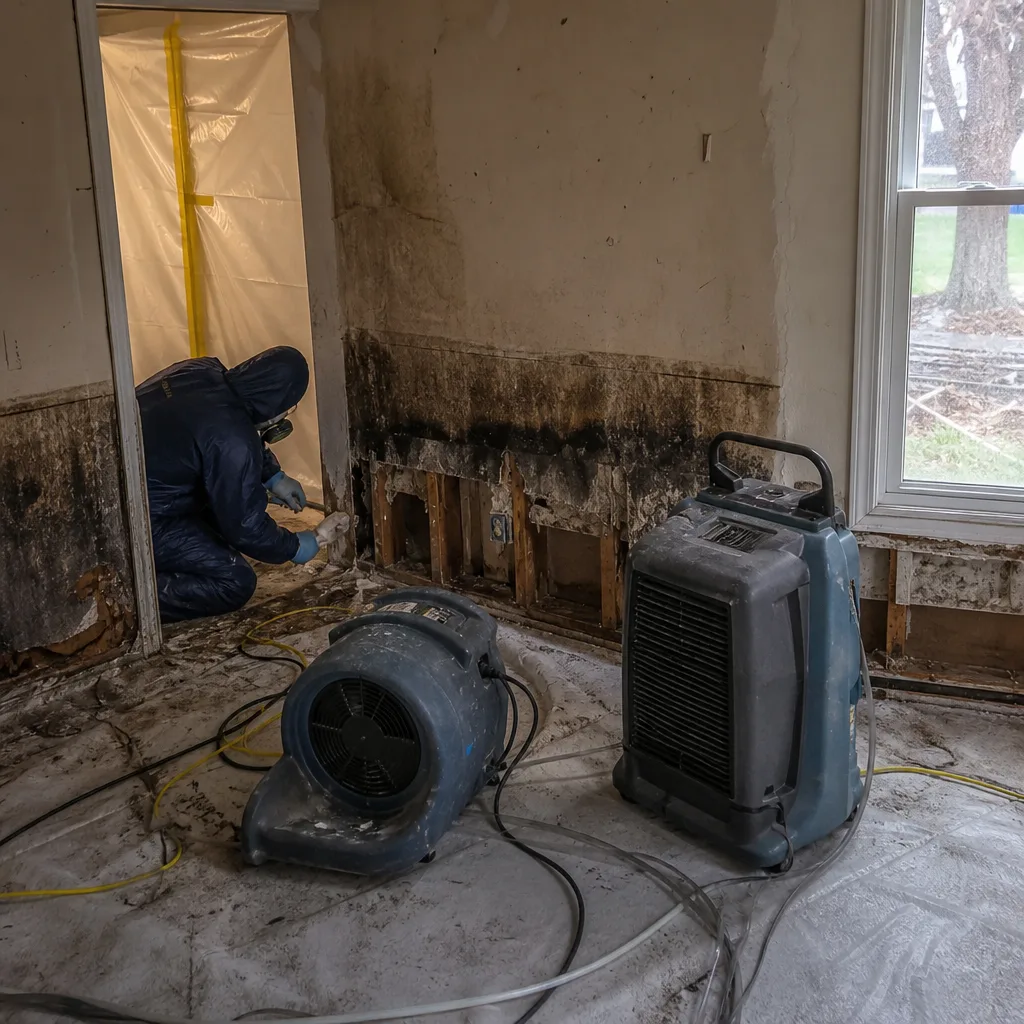 Before
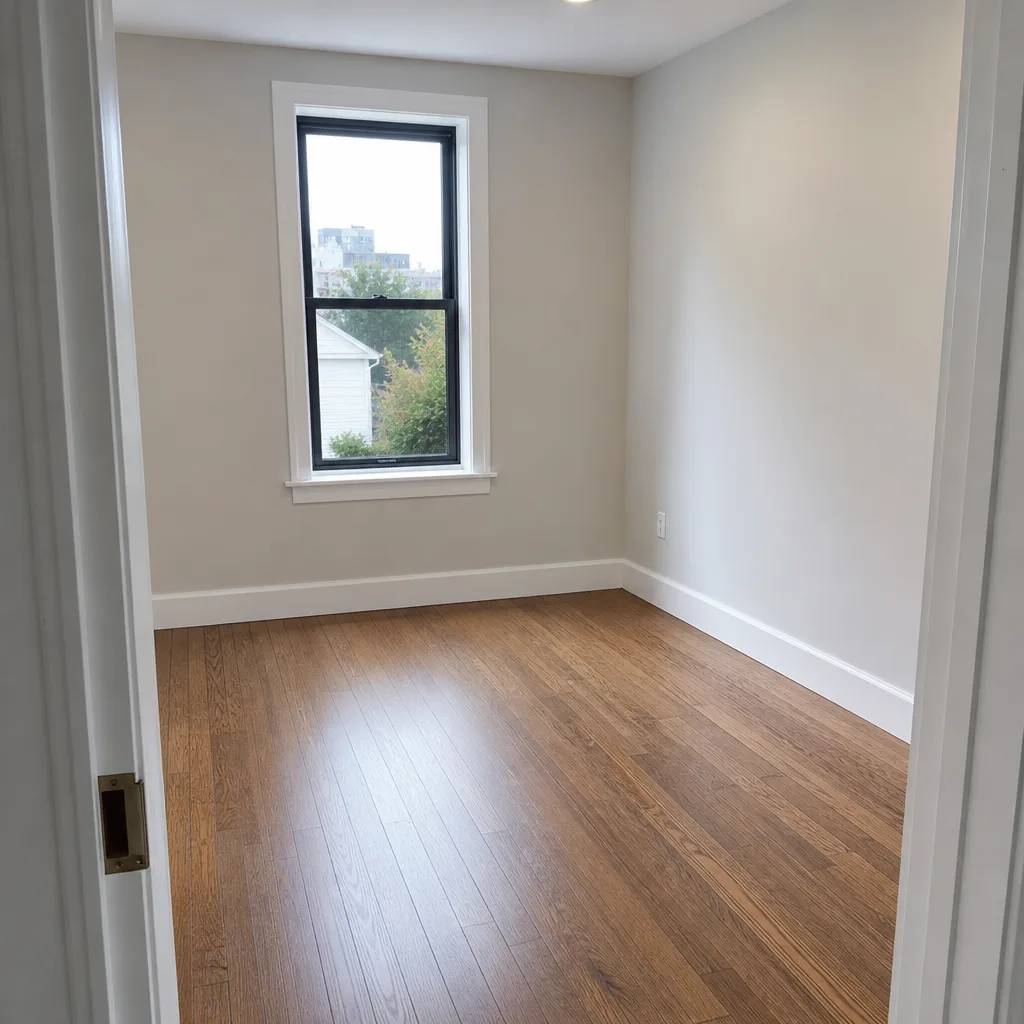 After
After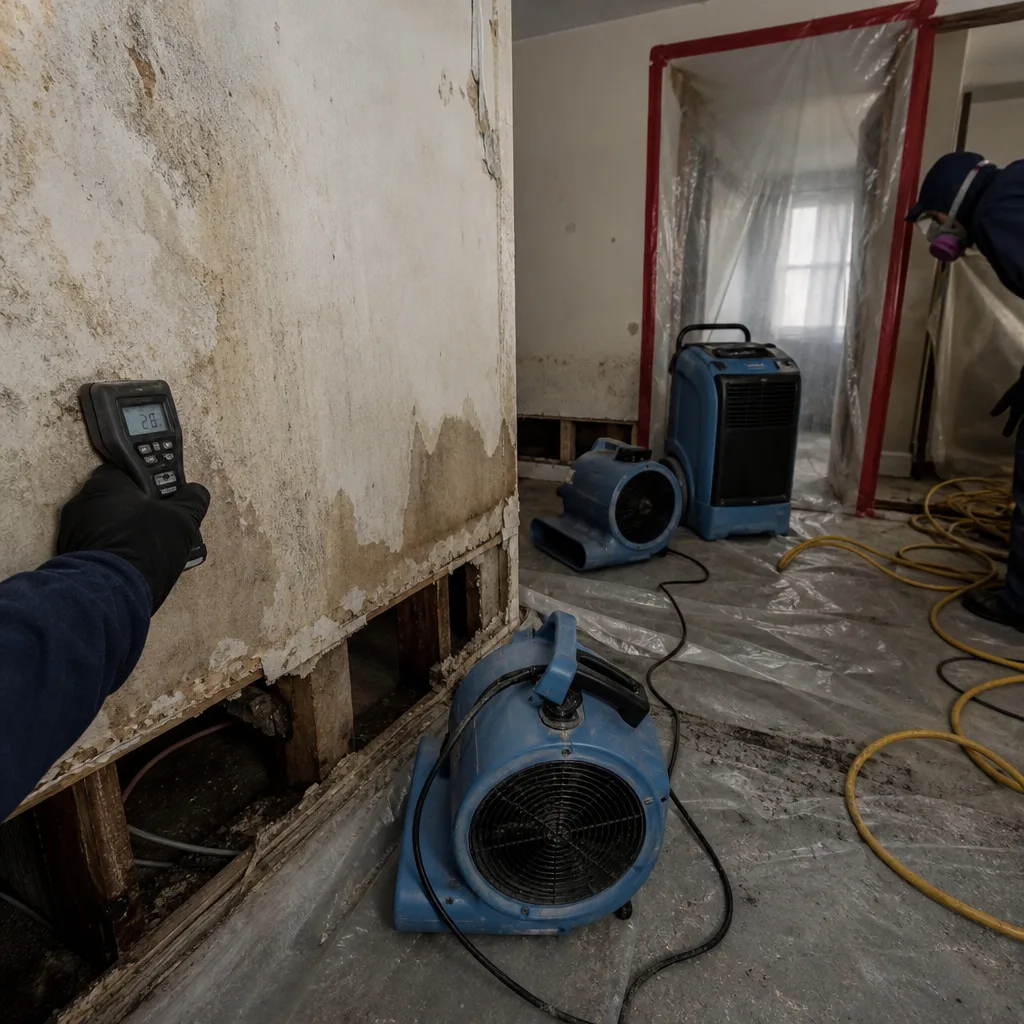 Before
 After
After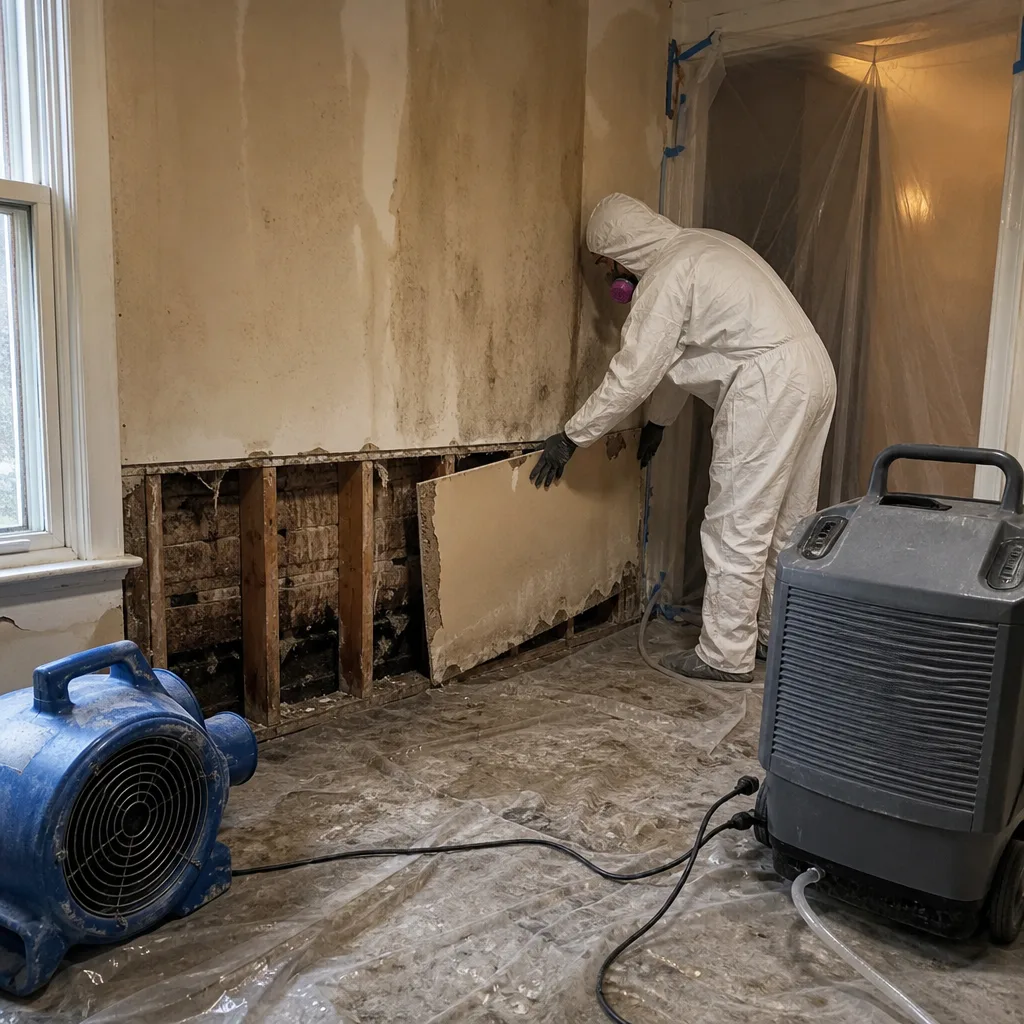 Before
 After
AfterWhen to Call a Professional
Call a professional if the water is Category 2 or 3, if the affected area exceeds 10 square feet, if any porous material got soaked, if the water sat for more than 24 hours before you found it, or if you smell anything musty after drying. Not sure how to choose the right company? Read How to Hire a Damage Restoration Contractor in Yonkers: A Step-by-Step Guide. Those are the five triggers where DIY risk exceeds the savings. We’ve seen too many Yonkers basements where a weekend DIY job turned into a four-figure mold problem. Wendell Restoration Yonkers offers free estimates in Yonkers, and every job includes a written price before any work starts. Call (631) 646-2175 if you’re not sure which side of the line your situation falls on.
Frequently Asked Questions
You can DIY only if all four conditions are true: the water is clean Category 1 from a supply line or similar source, the affected area is under 10 square feet, only non-porous materials like tile or sealed concrete got wet, and you found it within 24 hours. If any one of those is not true, call a professional.
Consumer fans and dehumidifiers can dry a small clean-water spill on a non-porous surface, but they can’t dry saturated drywall, carpet, or hardwood because they don’t have the airflow volume or extraction capacity to remove moisture from inside materials. Worse, fans without proper dehumidification can spread moisture into walls and create hidden mold.
Insurance covers the water damage itself, but a failed DIY cleanup that leads to mold is typically excluded under the “ensuing loss” provisions in most Westchester County policies. Your insurer may deny the mold claim entirely because improper mitigation is considered your failure, not a covered event. Professional mitigation with documentation is much harder to deny.
Mold can begin growing within 24 to 48 hours on wet organic materials like drywall and carpet. In Yonkers’ humid summers, this timeline is shorter. By 72 hours, colonies are established, and full mold remediation may be necessary. This is why same-day response matters.
Water damage restoration is drying and restoring a property after water intrusion before mold takes hold. Mold remediation removes established mold colonies, which requires containment, antimicrobial treatment, and often removal of affected materials. Restoration is cheaper and faster than remediation, which is why catching water early matters.
Yes. Gray water contains bacteria and can cause illness on contact. NY state treats it as a health hazard. Proper Category 2 cleanup requires PPE, containment, antimicrobial treatment, and disposal of affected porous materials. This is not a mop-and-bucket job.
The Bottom Line
The DIY versus professional decision comes down to four factors: water category, affected area size, material type, and elapsed time. Clean water under 10 square feet on non-porous surfaces within 24 hours: DIY is reasonable. Everything else: professional. The invisible risks of hidden moisture and mold growth turn apparent savings into expensive surprises, and the documentation a professional produces protects your insurance claim and your resale value. For Yonkers homeowners, the practical rule is simple: if you’re not 100% sure, make the call. Wendell Restoration Yonkers will tell you honestly whether you even need us. Call (631) 646-2175 for a free estimate, and you’ll get a straight answer.
Written by Blake Sorensen, Owner at Wendell Restoration Yonkers, serving Yonkers since 2006.